A drain collapse rarely announces itself with one dramatic event. More often, it starts with slow drainage, recurring blockages or an unpleasant smell outside, then develops into sewage backing up, flooding or ground movement. Knowing how to identify drain collapse early can limit disruption and help protect your home, rental property or business premises from further damage.
A collapsed drain means part of the underground pipe has cracked, shifted, flattened or broken apart enough to restrict the flow of wastewater. Unlike a simple blockage, which can often be cleared, a structural fault will usually keep causing trouble until the damaged section is properly assessed and repaired.
What does a drain collapse look like?
Most underground drainage pipes are hidden beneath floors, gardens, driveways or shared access areas, so you may not see the damage itself. What you notice are changes in how the drainage system behaves. One sign alone does not always mean the drain has collapsed, but repeated or worsening problems should be taken seriously.
Common warning signs include:
- Blockages that return soon after the drain has been cleared, particularly in the same toilet, sink, gully or external drain.
- Several fixtures draining slowly at once, such as a toilet, bath and kitchen sink, which can point to a problem further down the pipework.
- Wastewater rising from an outside drain, manhole or gully when appliances are used or the toilet is flushed.
- A persistent sewage smell indoors or around the property, even after obvious waste has been removed.
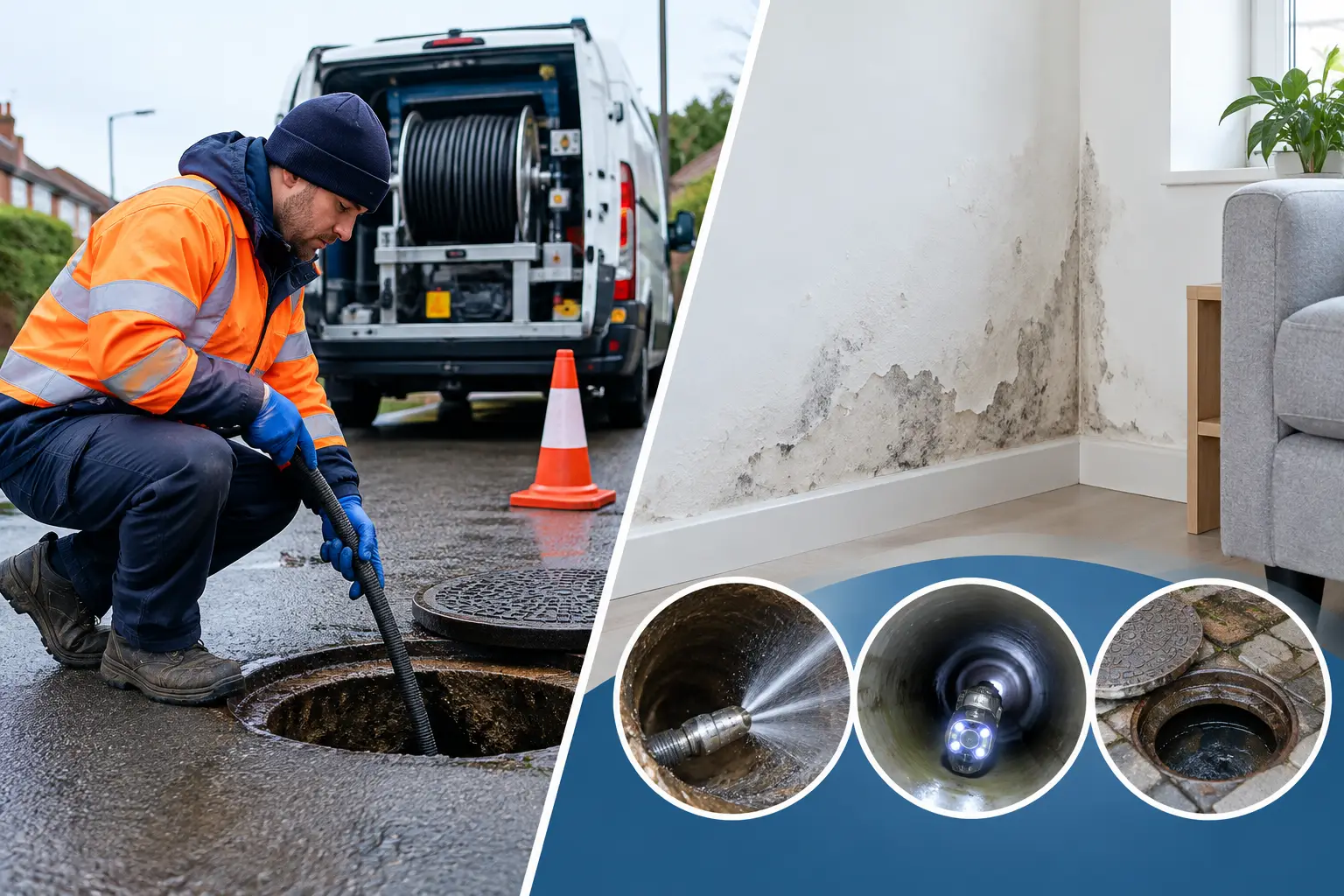
- Damp patches, soft ground, unexplained dips in paving or a depression in the garden above the drain route.
- Cracks appearing in a patio, driveway or path where there has been no clear surface cause.
A sudden backup is particularly urgent. If foul water is coming up through a toilet, shower, gully or manhole, avoid using the affected plumbing until the problem has been investigated. Continuing to run water can increase the volume of flooding and spread contamination.
How to identify drain collapse rather than a normal blockage
A normal blockage may be caused by fat, food debris, wipes, scale, hair or an object lodged in the pipe. Professional drain clearance can often restore the flow quickly. A collapsed drain is different because the pipe no longer has a clear, stable channel for wastewater to travel through.
The key difference is recurrence. If a drain clears and then blocks again within days or weeks, particularly without a change in how the property is being used, there may be a crack, displaced joint, root intrusion or collapsed section catching waste. Water may still pass through at first, but slowly and unpredictably.
Drain collapse can also create a more localised pattern. For example, the upstairs bathroom may seem unaffected while a ground-floor toilet backs up, or an outside kitchen gully may overflow whenever the washing machine empties. The exact symptoms depend on where the damaged pipe sits, its depth and whether it serves one appliance or the wider property.
Do not assume that a plunger or chemical drain cleaner will resolve a recurring issue. Chemical products can be hazardous to handle, may damage some pipe materials and will not repair a structural defect. They can also make subsequent drainage work less safe if chemicals remain in standing water.
Why drains collapse
Drain pipes deteriorate for several reasons, and the cause affects the right repair approach. Older pipes can weaken over time, especially clay sections with failing joints. Ground movement, nearby building work, heavy vehicle loading or soil settlement can put pressure on pipework and cause it to crack or shift out of line.
Tree roots are another frequent cause across London properties. Roots naturally seek moisture and can enter small gaps at joints or existing cracks. As they grow, they restrict the pipe and can force damaged sections further apart. Clearing roots may restore flow, but the pipe also needs checking for the opening that allowed them in.
Poor installation, corrosion in certain older pipework, accidental impact during excavation and repeated internal blockages can all contribute. In some cases, the issue is not a full collapse but a displaced joint or an area of pipe that has sagged. These faults can produce similar symptoms and still need prompt attention.
CCTV drain inspection gives a clear answer
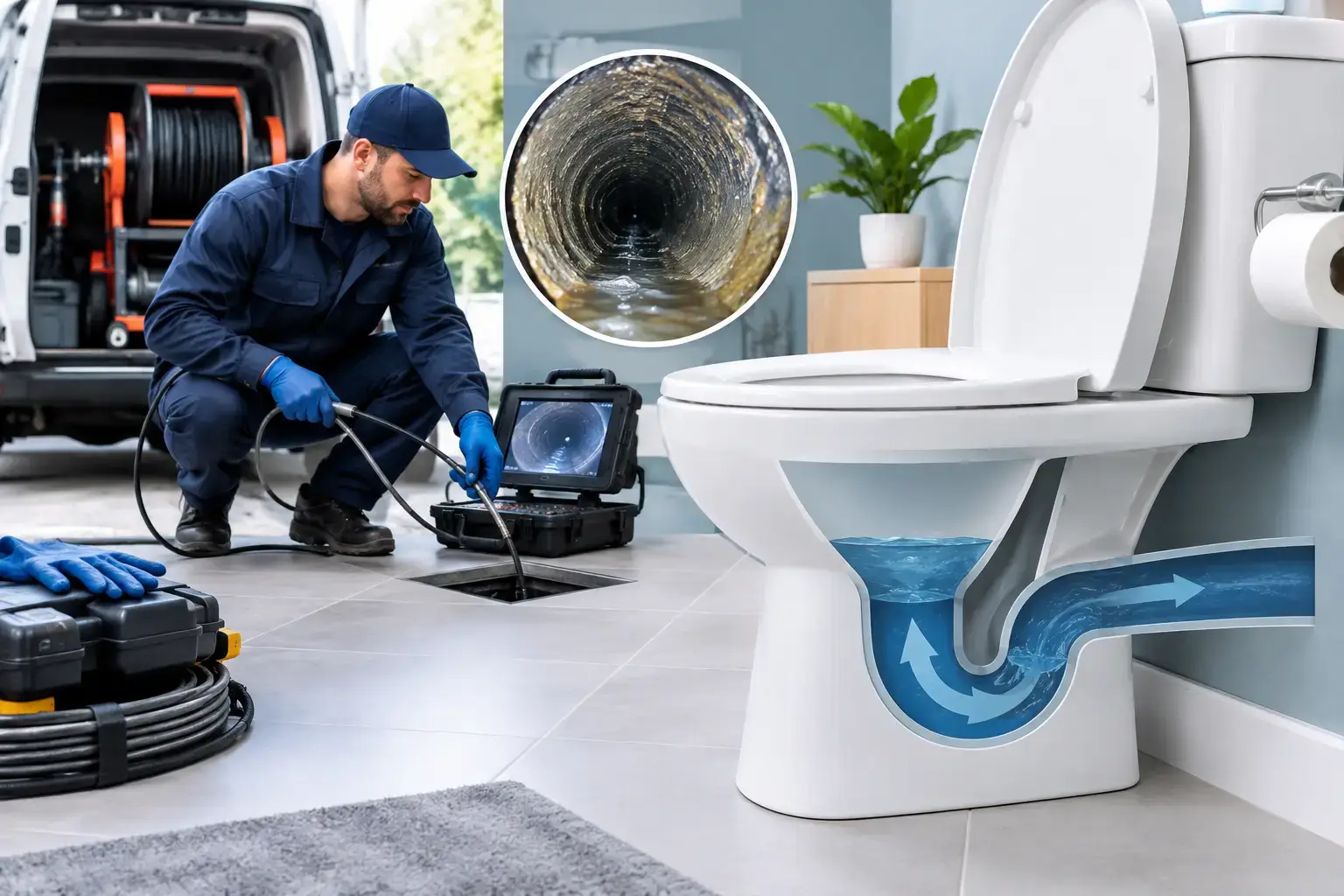
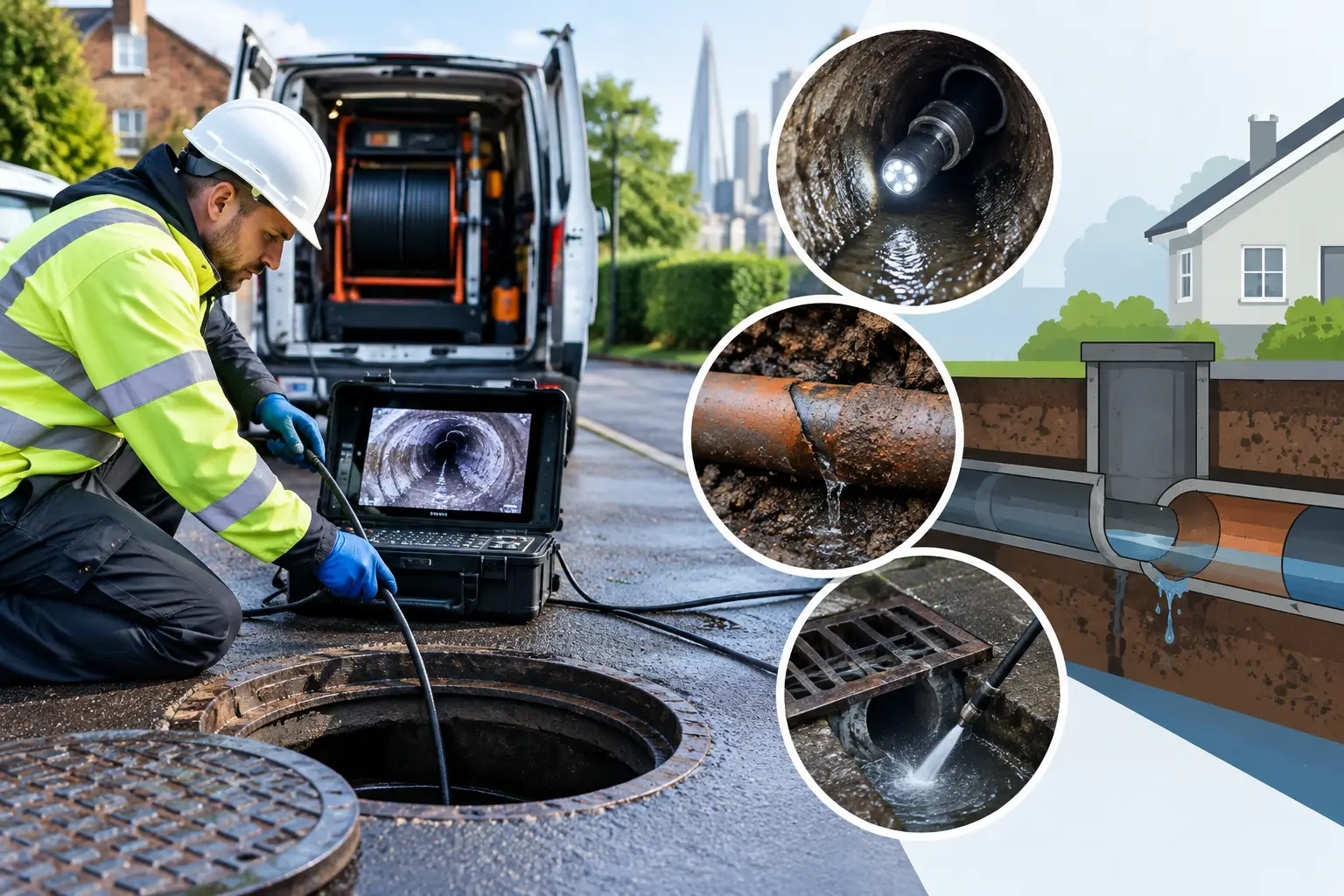
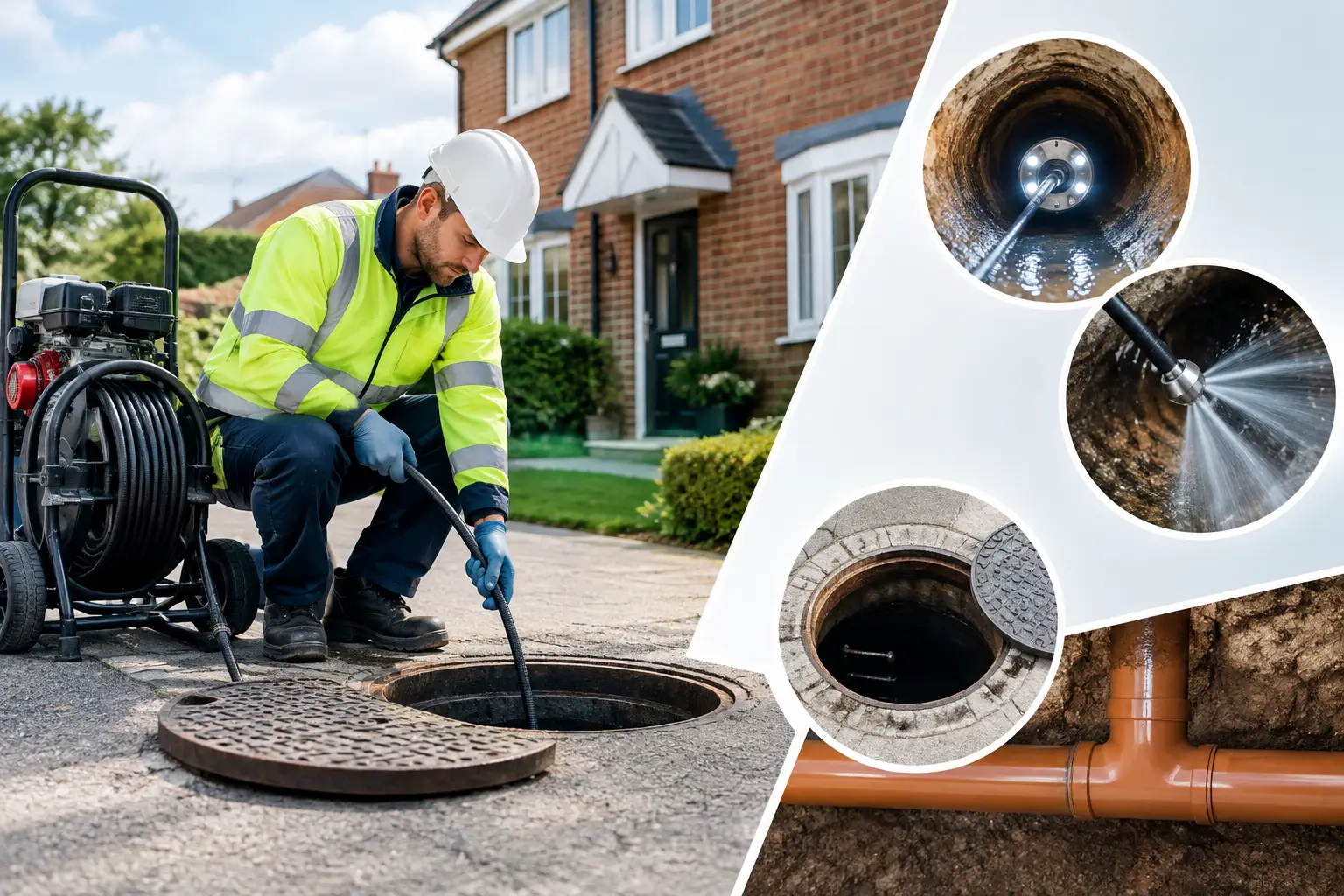
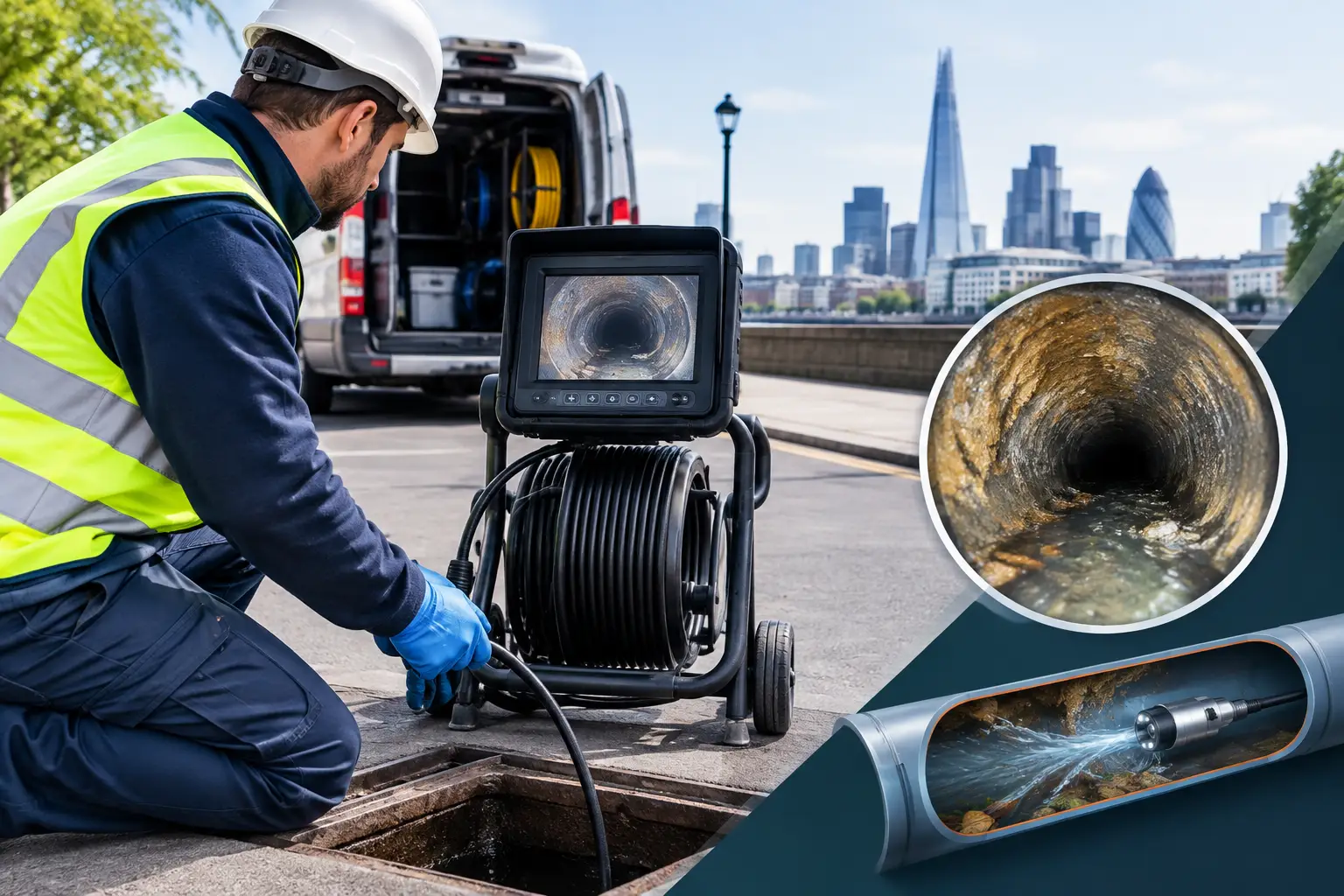
The most reliable way to confirm a suspected collapse is a CCTV drain inspection. A drainage camera is fed into the system to show the inside condition of the pipe without unnecessary digging. This allows the drainage engineer to identify whether the problem is caused by a blockage, roots, cracks, a displaced connection, a hole, standing water or a collapsed section.
The camera footage also helps establish the location and extent of the damage. That matters because repairs should be targeted. Digging up a whole garden, driveway or floor is not always necessary, but it would be misleading to promise a no-dig solution in every case. The practical repair depends on the pipe material, the severity of the fault, access to the drain and the surrounding ground.
For landlords, facilities managers and commercial operators, a CCTV inspection can be especially useful where drainage problems affect several users or regularly interrupt trading. It provides a clearer basis for deciding whether clearance, cleaning, local repair or more extensive work is needed.
What to do if you suspect a collapsed drain
Start by reducing water use. Do not flush repeatedly to test a blocked toilet, run a washing machine or empty sinks into a system that is backing up. Keep children and pets away from any overflowing wastewater, and avoid lifting heavy manhole covers yourself if the area is flooded or unsafe.
If the issue is limited to one basin or sink and there is no sewage smell, an isolated trap or local waste pipe blockage may be the cause. However, if multiple fittings are affected, an external drain is overflowing, or the same blockage keeps returning, arrange a professional drainage inspection rather than waiting for the system to fail completely.
Take note of what happens and when. Does water rise in the outside gully after a shower? Does the toilet bubble when the kitchen sink empties? Are there visible dips in the paving? These details can help the engineer trace the fault efficiently. Photographs of surface flooding or changes in the ground can also be useful, provided it is safe to take them.
Where sewage is entering the property, there is a strong smell of foul water, or a business cannot safely continue operating, treat it as an emergency drainage issue. Fast investigation can reduce hygiene risks, protect floors and stock, and prevent a manageable fault from becoming a larger repair.
Repair options depend on the damage
After the drain has been cleared and inspected, the repair method should match the fault. A minor crack or defective joint may be suitable for a localised repair, while a severely crushed or missing pipe section may require excavation and replacement. Root removal can be part of the solution, but only if the entry point is also addressed.
Before work begins, ask for a plain explanation of what the inspection has found, where the fault is and what repair is recommended. You should understand whether the work is intended to restore flow only or correct the underlying structural problem. Clear communication is particularly valuable for shared drains, tenanted properties and commercial sites where access and disruption need to be managed carefully.
RF Drainage Experts provides CCTV investigation, drain clearance and repair support for homes and businesses across Greater London and nearby areas, including urgent drainage faults that need a prompt assessment.
Do not wait for a complete failure
A collapsed drain may continue working intermittently, which can make it tempting to postpone action after the water level drops. But wastewater leaking into the surrounding soil, recurring sewage backups and unstable ground rarely improve on their own. Early inspection is usually the safest way to establish what is happening below ground and plan the right repair before the disruption becomes more serious.
If your drains are repeatedly blocking, outside gullies are overflowing or the ground above a pipe is sinking, arrange an inspection promptly. A clear diagnosis now can spare your property from a far more disruptive drainage emergency later.