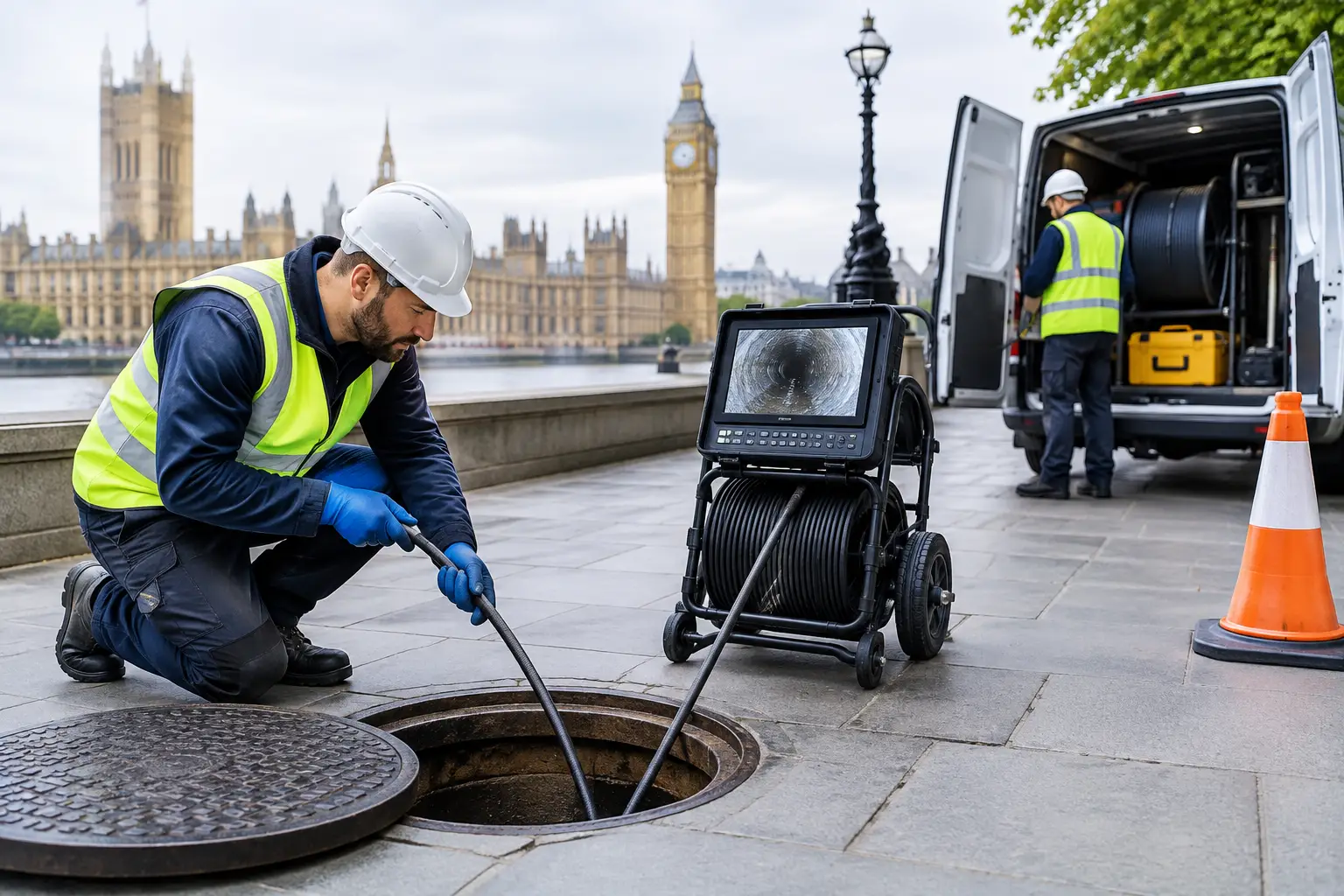
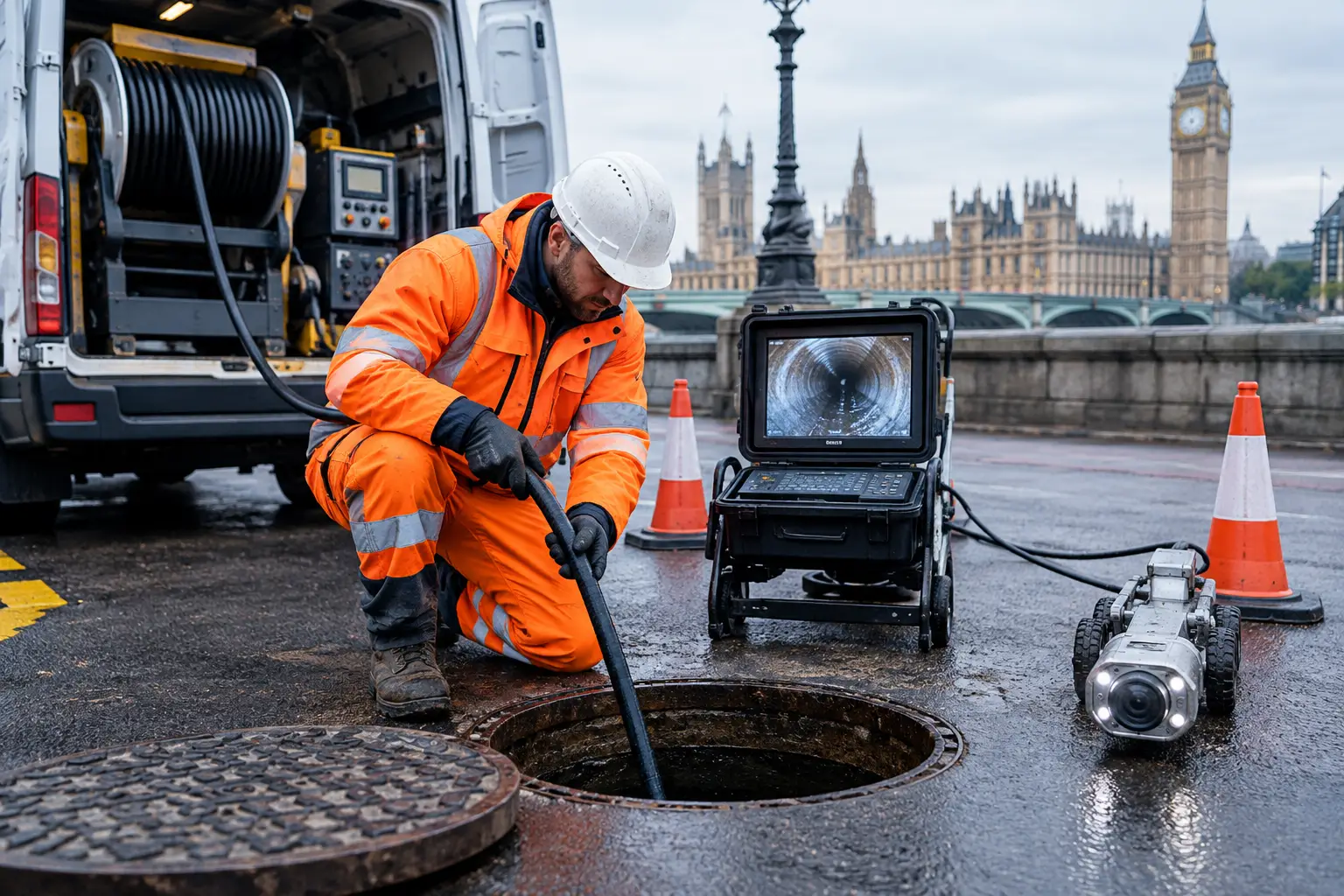
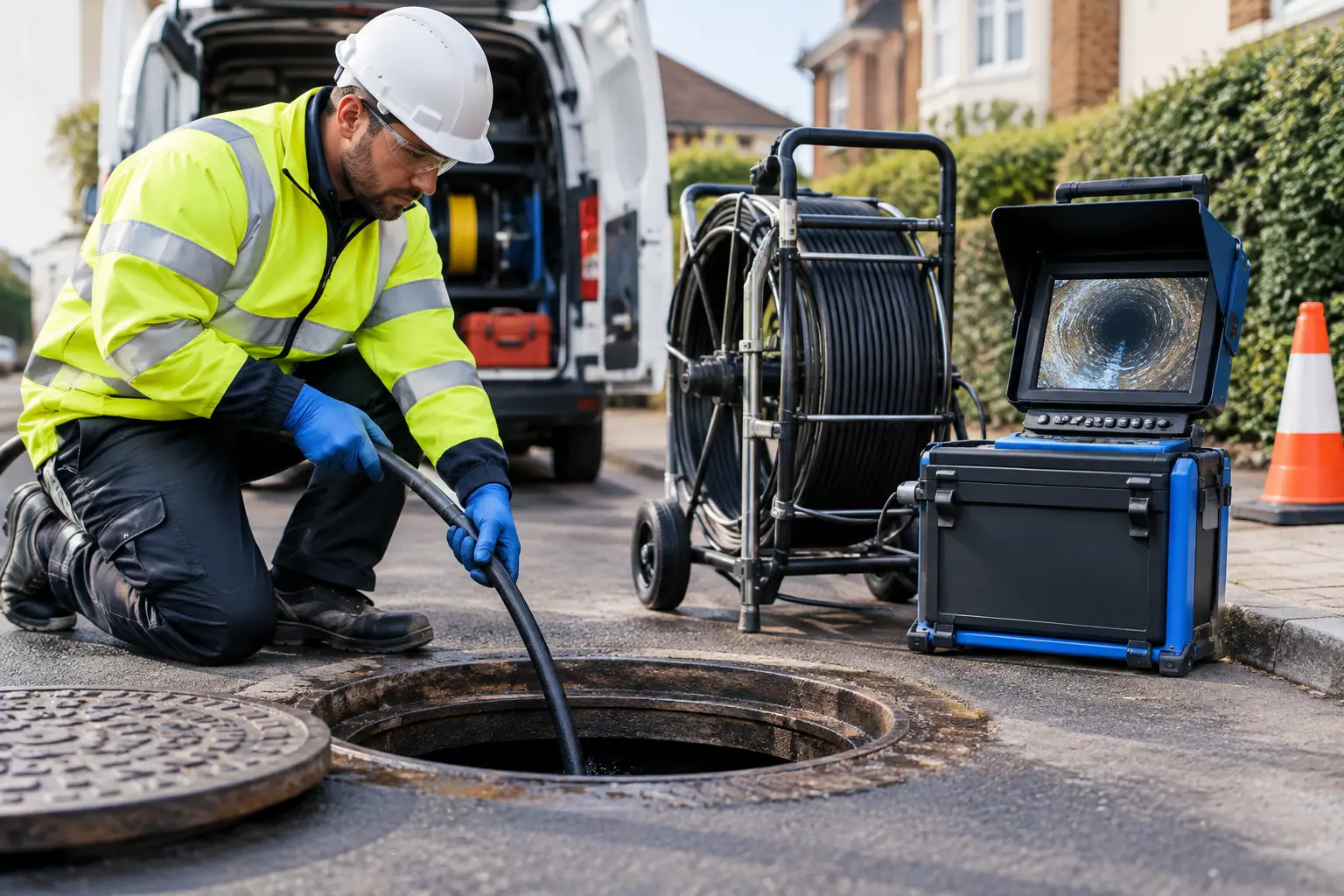
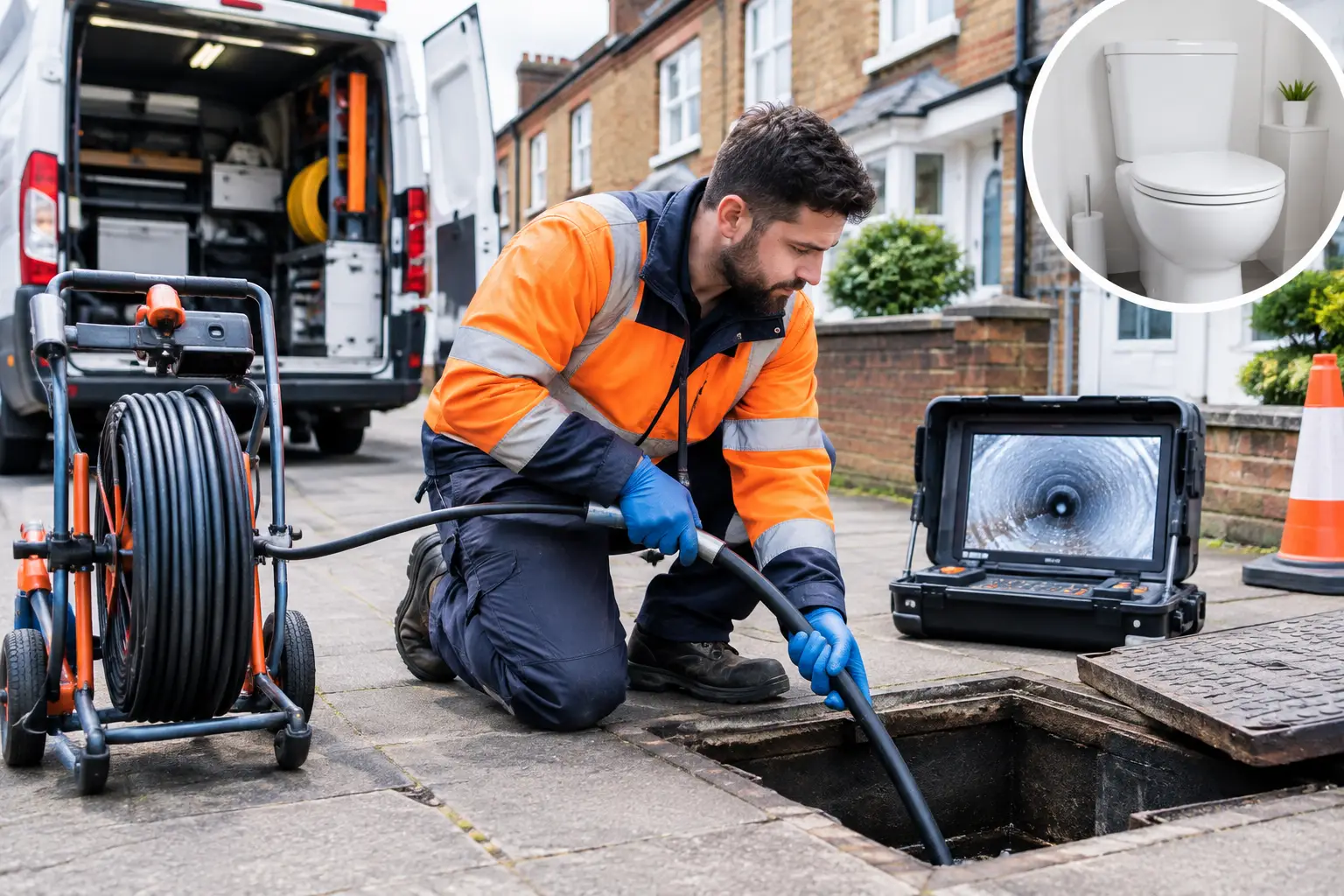
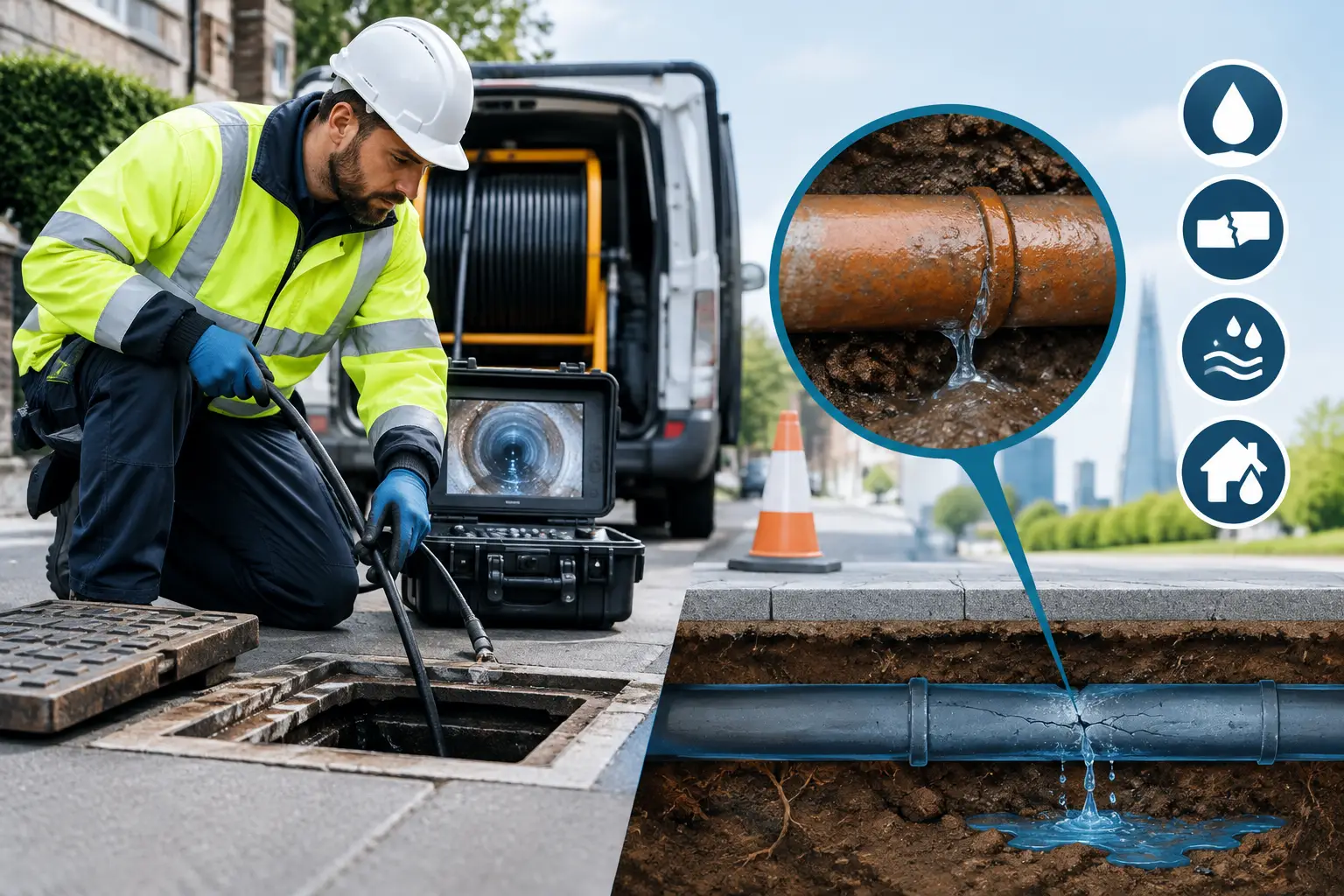
A drain fault beneath a driveway, patio, shop floor or garden can sound like a major building job. It does not always have to be. When people search for drain repair without digging London, they are often dealing with repeated blockages, unpleasant smells, slow drainage or water appearing where it should not. Modern inspection and repair methods can often restore a damaged pipe from the inside, avoiding unnecessary excavation.
For homeowners, landlords and business owners, this can mean less disruption to daily life and less disturbance to finished surfaces. However, no two drains fail in exactly the same way. A proper CCTV drain survey is the starting point for deciding whether a no-dig repair is suitable.
What Is Drain Repair Without Digging?
Drain repair without digging is commonly known as trenchless drain repair. Rather than excavating the entire length of a damaged underground pipe, drainage engineers access the drain through an existing manhole, inspection chamber or suitable entry point.
A camera survey identifies the location and condition of the fault. If the pipe is still broadly in place and can be cleaned properly, a specialist liner may be installed inside it. The liner creates a strong new internal pipe wall, sealing cracks, small fractures, leaking joints and areas affected by root intrusion.
This approach is particularly useful where the drain runs beneath a landscaped garden, block paving, a driveway, extension, public-facing entrance or commercial flooring. It is not simply a shortcut. The repair must be matched to the condition of the existing pipe and the cause of the problem.
Signs Your Underground Drain May Need Repair
A blockage can sometimes be cleared quickly with professional drain jetting, but recurring problems often suggest there is more going on below ground. If the same drain blocks repeatedly, roots may be entering through an open joint or crack. A damaged pipe can also allow soil and debris to enter, restricting the flow over time.
Warning signs include repeated toilet, bath or kitchen drain backups, foul odours outside, gully water that drains slowly, damp patches close to a drain route, or a manhole that regularly fills despite clearance. In commercial premises, drainage faults may also cause disruption to staff, customers or trading operations.
These symptoms do not automatically mean that excavation is required. Equally, they should not be ignored or repeatedly treated as a simple blockage. A CCTV inspection provides clear evidence of what is happening within the pipe.
How a No-Dig Drain Repair Is Carried Out
The work begins with investigation, not assumption. A drainage engineer feeds a CCTV camera through the pipe to assess the line, identify defects and check whether the drain can be repaired from within. The survey can show cracks, displaced joints, scale build-up, root ingress, collapsed sections and the position of any blockage.
Before a liner can be fitted, the drain must be thoroughly cleaned. High-pressure water jetting removes grease, silt, loose debris and root material, allowing the repair material to bond correctly. If roots are present, they need to be cut back before the damaged section is lined. Simply lining over an obstruction would not provide a reliable result.
A resin-impregnated liner is then positioned inside the affected pipe and expanded so it sits tightly against the existing drain wall. Once cured, it forms a smooth, durable inner layer. The drain is normally inspected again by CCTV after the repair to confirm the pipe is clear and the liner is correctly positioned.
The exact method depends on the length of the damage, the diameter of the pipe, access points and the type of defect. A localised patch repair may be appropriate for one isolated crack, while a longer liner may be needed where several joints or sections are affected.
When Drain Lining Is a Good Option
No-dig repair is often suitable for pipes with cracks, minor fractures, worn joints, small holes and root intrusion. It can also help where a drain has deteriorated but has not lost its overall shape or collapsed.
For many London properties, this is valuable because drainage runs are often hidden beneath areas that are costly or inconvenient to excavate. Older homes may have drains beneath paths, rear extensions or tightly arranged gardens. Restaurants, offices and retail premises may need work completed with as little disturbance as possible.
A lined drain has a smooth internal surface, which can improve flow and reduce places where debris catches. That said, lining makes the pipe slightly narrower inside. This is usually not a concern when the correct lining method is selected, but it is one reason why the drain should be assessed by a professional before work is recommended.
When Digging May Still Be Necessary
Drain repair without digging in London is not the right answer for every fault. If a pipe has fully collapsed, has dropped significantly due to ground movement, is severely misaligned or cannot be cleaned and accessed, excavation may be required.
The same applies where the issue is outside the repairable section of pipe or where access is not possible through existing chambers. In these cases, targeted excavation may be the most practical and lasting option. The aim should be to expose and replace only what is necessary, rather than dig up an entire area without first investigating the problem.
A clear explanation matters here. You should be told what the CCTV survey has found, why a particular repair is recommended and whether there are realistic alternatives. This helps property owners make an informed decision, especially when the drain serves a shared building, rental property or business premises.
Why CCTV Inspection Matters Before Any Repair
Underground drainage problems cannot be diagnosed accurately by looking at a slow-running sink or a flooded gully alone. The visible symptom may be some distance from the actual defect. CCTV technology allows drainage engineers to inspect the line without lifting floors or digging into the garden just to find the problem.
It also prevents avoidable work. For example, a recurring blockage caused by cooking fat and debris may need professional cleaning and ongoing maintenance rather than repair. On the other hand, a blockage that repeatedly occurs at the same point may reveal a cracked joint with root growth inside it.
For landlords and facilities managers, CCTV survey findings can also provide useful evidence when planning repairs or maintaining records for a property. For homeowners, they offer reassurance that the proposed work is based on the actual condition of the drain.
Looking After a Repaired Drain
A repaired drain still benefits from sensible use and maintenance. Avoid pouring fats, oils and food waste into kitchen sinks, as they can harden inside pipework and create stubborn restrictions. Only toilet paper and human waste should go down a toilet. Wipes, sanitary products and cotton buds can catch on imperfections and cause blockages even in otherwise sound drains.
If trees or large shrubs are close to the drainage route, periodic inspection may be sensible, particularly where roots have caused problems before. Commercial kitchens and busy premises may also need planned cleaning to manage grease and heavy use.
At RF Drainage Experts, the focus is on finding the cause first, explaining the available repair options clearly and carrying out practical work with minimum disruption where possible. From CCTV drain surveys and root removal to drain lining and targeted repairs, the right approach depends on what the inspection shows.
Get the Right Repair for the Fault
A damaged underground drain does not always mean broken paving, a dug-up garden or lengthy disruption to your property. Where the pipe condition allows it, no-dig repair can provide a clean and effective solution while protecting the areas above the drain.
If you are dealing with recurring blockages, foul smells or suspected damage in Greater London, arrange a professional drain inspection promptly. Finding the fault early can make it easier to repair and help prevent a small drainage issue becoming a more disruptive one.