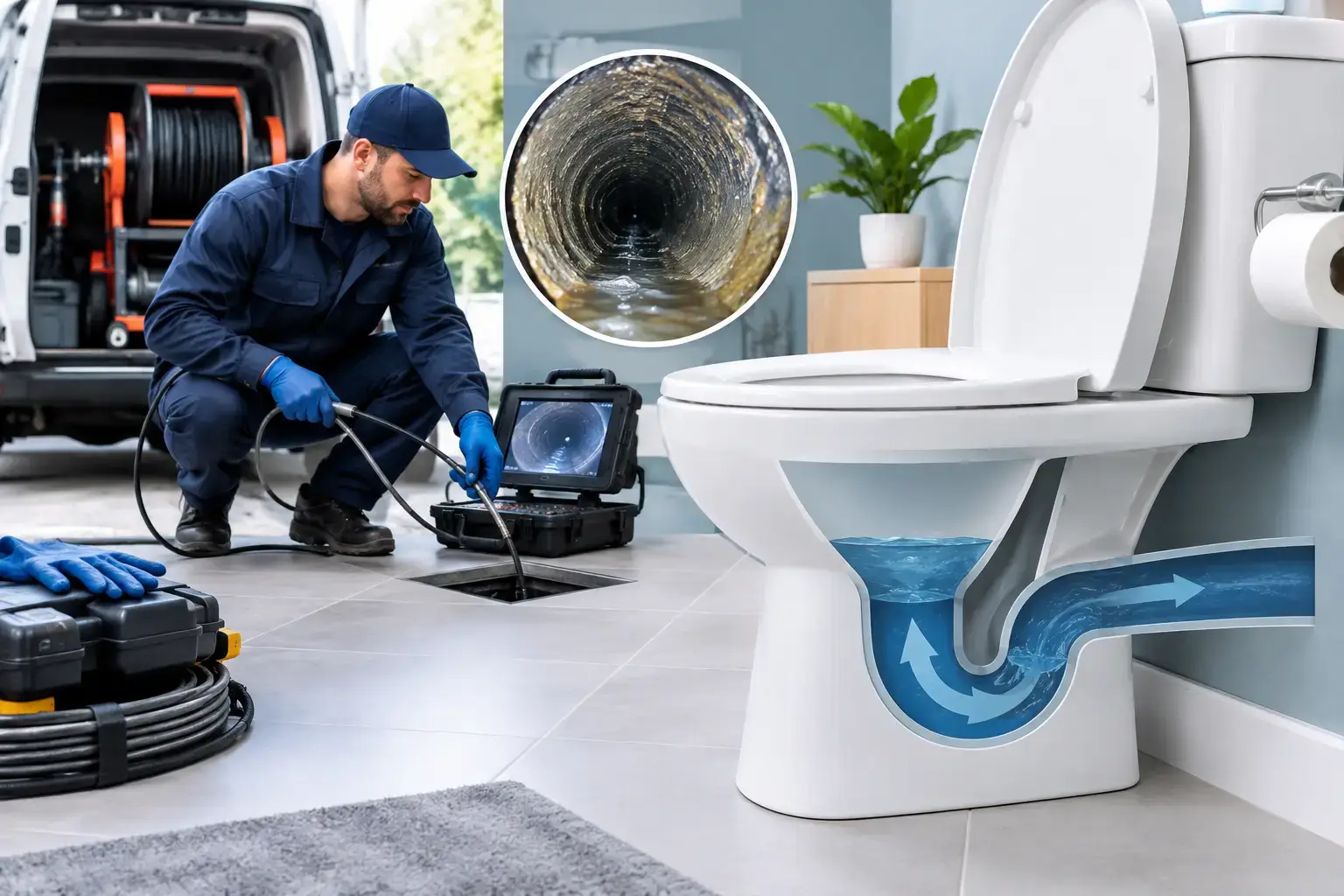
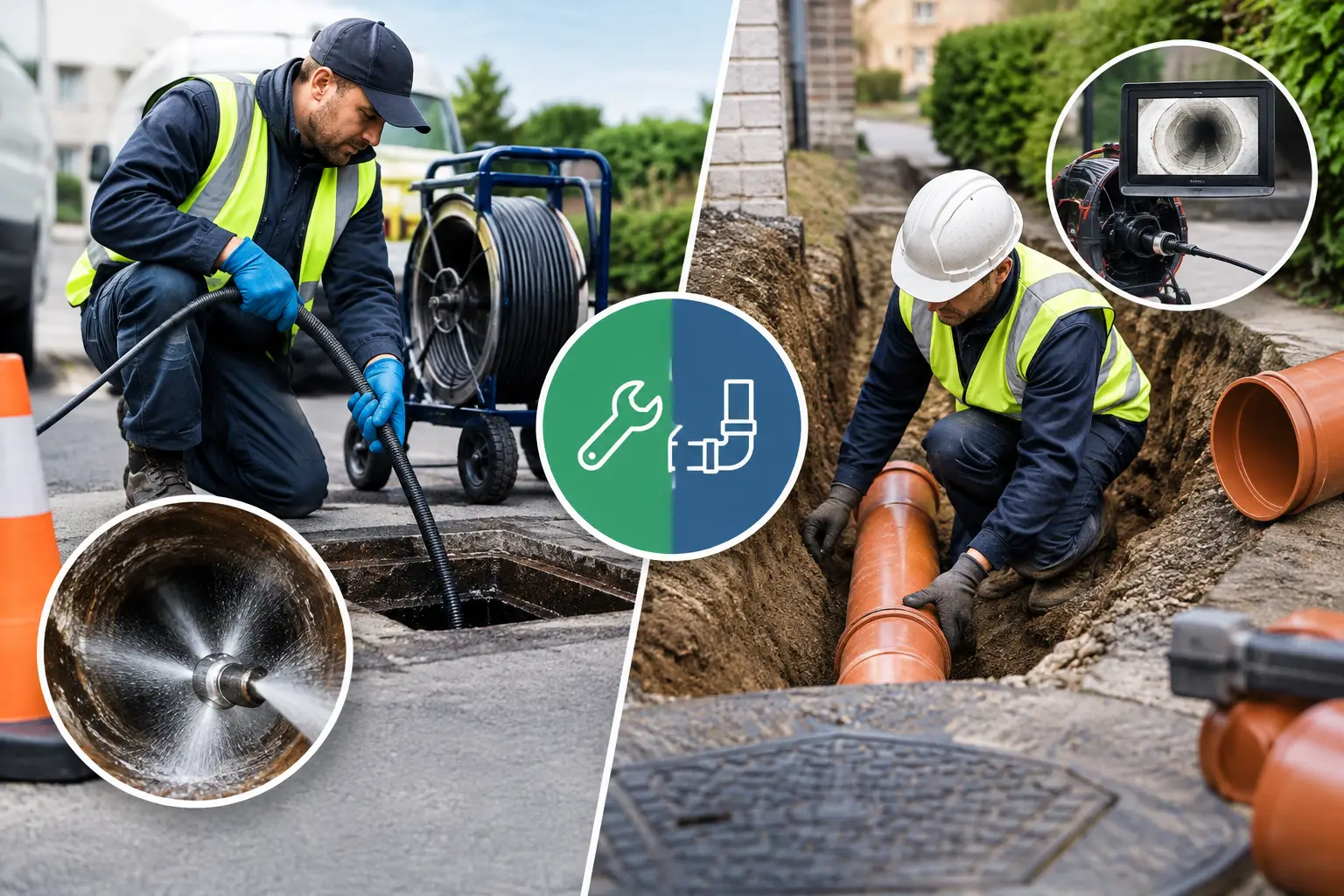
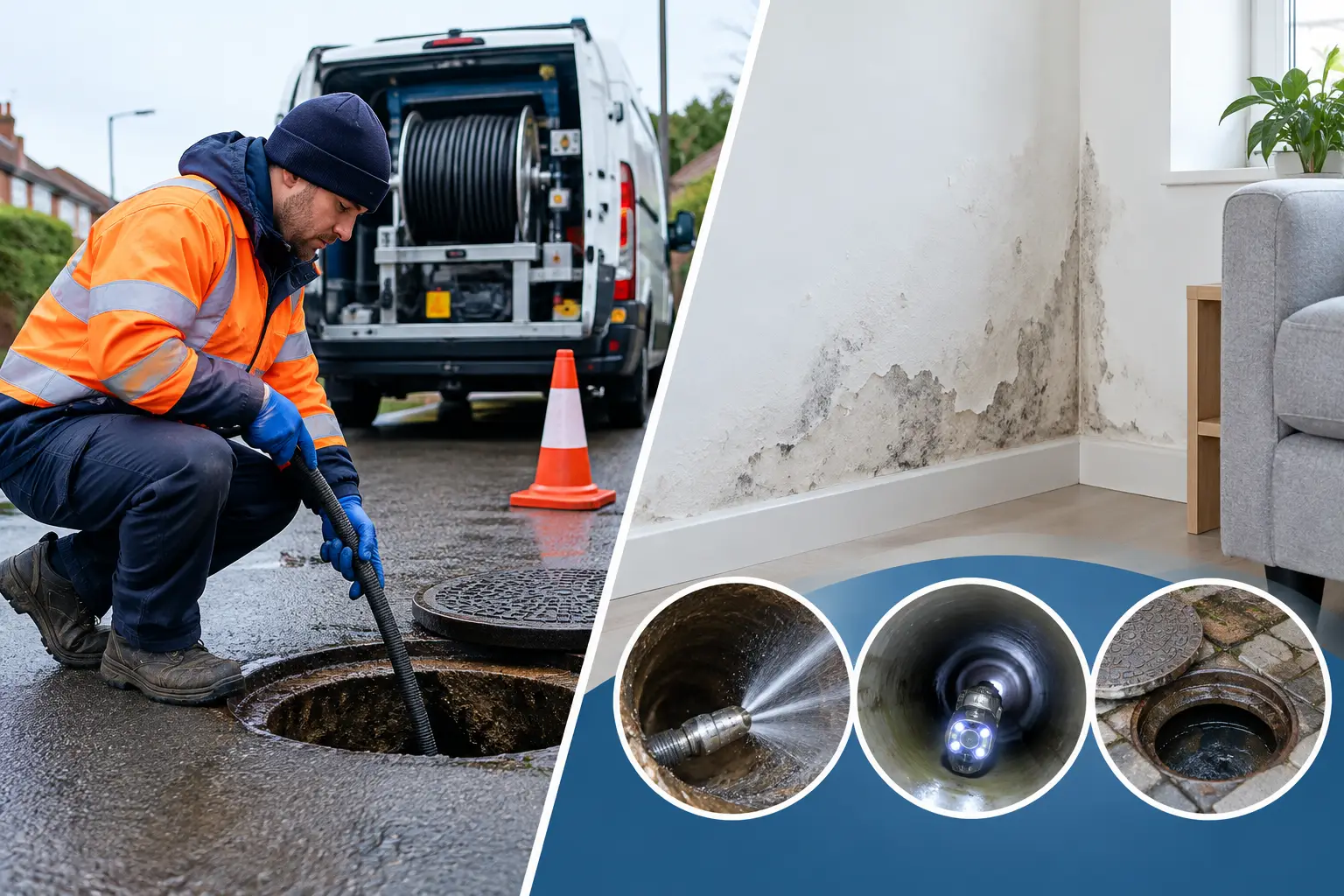
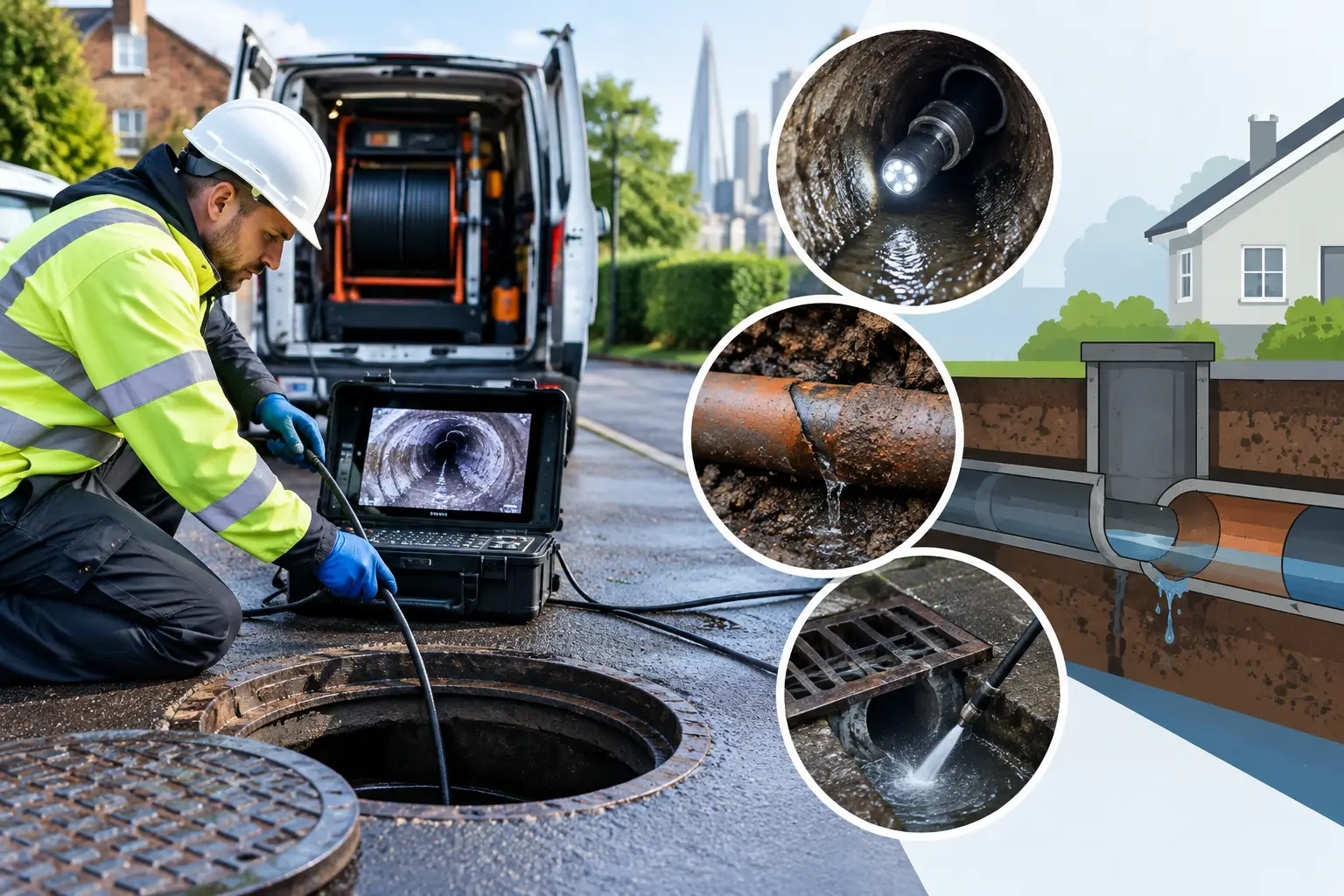
A damp patch appearing low on a wall, a musty smell near the kitchen or puddling outside can easily be dismissed as a minor property issue. But can blocked drains cause damp? Yes. When wastewater or rainwater cannot travel through the drainage system properly, it may back up, overflow or escape through damaged pipework. That moisture can then affect walls, floors and foundations.
The key is identifying whether the damp is genuinely drainage-related. Condensation, a leaking roof and plumbing faults can produce similar symptoms, so guessing can lead to the wrong repair. A professional drainage inspection helps establish where the water is coming from and what needs to be done to stop it.
How blocked drains can cause damp
A drainage system is designed to take used water and surface water away from the property. If a pipe, gully or drain becomes blocked by grease, wipes, debris, scale, roots or collapsed material, water can no longer flow freely. It will look for another route.
Sometimes this means an obvious overflow from an external drain or manhole. In other cases, the escape is slower and hidden underground. Wastewater may leak from cracked joints, damaged pipes or overflowing gullies into the soil next to the building. Over time, moisture can penetrate external walls or collect beneath floors.
The risk is not limited to foul drains carrying wastewater from toilets, sinks and appliances. Blocked surface-water drains can also create problems during heavy rain. If water repeatedly pools around a property because gullies or drainage channels are blocked, it may soak into brickwork, paving joints and the ground close to the foundations.
Damp caused by drainage is particularly likely where there is an existing defect in the pipework. A simple blockage does not always create an internal damp problem on its own. However, a blockage combined with cracked drains, displaced joints, root intrusion or poor drainage falls can allow water to escape in the wrong place.
Signs a blocked drain may be behind the damp
Drainage-related damp often has clues that separate it from ordinary condensation. You may notice slow-draining sinks, toilets that rise or struggle to flush, unpleasant smells outdoors, gurgling pipework or a gully that fills with water. These symptoms suggest the system is under pressure or unable to clear properly.
Outside, look for standing water around drain covers, gullies or patios, even when it has not rained. Soft or sunken ground, staining on external brickwork and unexplained wet areas along the side or rear of a property can also point to an underground leak or overflowing drain.
Inside, drainage damp may appear as patches low down on ground-floor walls, peeling paint, bubbling plaster, a persistent musty smell or mould that returns after cleaning. In some homes, floor coverings may feel damp or timber may begin to deteriorate. These signs are not proof on their own, but they are a good reason to investigate promptly.
For commercial premises, the warning signs can be more disruptive. A blocked kitchen drain, external gully or sewer can create odours, wet floors and hygiene concerns, particularly in shops, offices, restaurants and shared buildings. Early action can limit interruption and reduce the chance of water affecting customer or staff areas.
Why the problem should not be left to develop
Damp is rarely improved by covering it with paint or treating surface mould alone. If water is still escaping from a drain, the moisture source remains active behind the wall, beneath the floor or in the surrounding ground.
Over time, repeated saturation can damage finishes and contribute to deterioration in building materials. It can also create unpleasant odours and conditions where mould is more likely to grow. Where foul water is involved, there is an added hygiene concern that needs professional attention rather than a temporary fix.
There is also a practical cost to delay. A straightforward blockage may be resolved with professional drain clearance. If the blockage has been caused by roots or a structural defect, leaving it unchecked can allow the underlying issue to worsen. Acting when the first signs appear gives you a better chance of limiting water damage and avoiding recurring call-outs.
Finding the source before repairs begin
The right solution depends on the actual cause. Clearing a blocked external drain may restore flow immediately, but it will not solve a cracked pipe that continues to leak into the ground. Equally, expensive building work is unnecessary if the damp is actually caused by condensation or a leaking internal pipe.
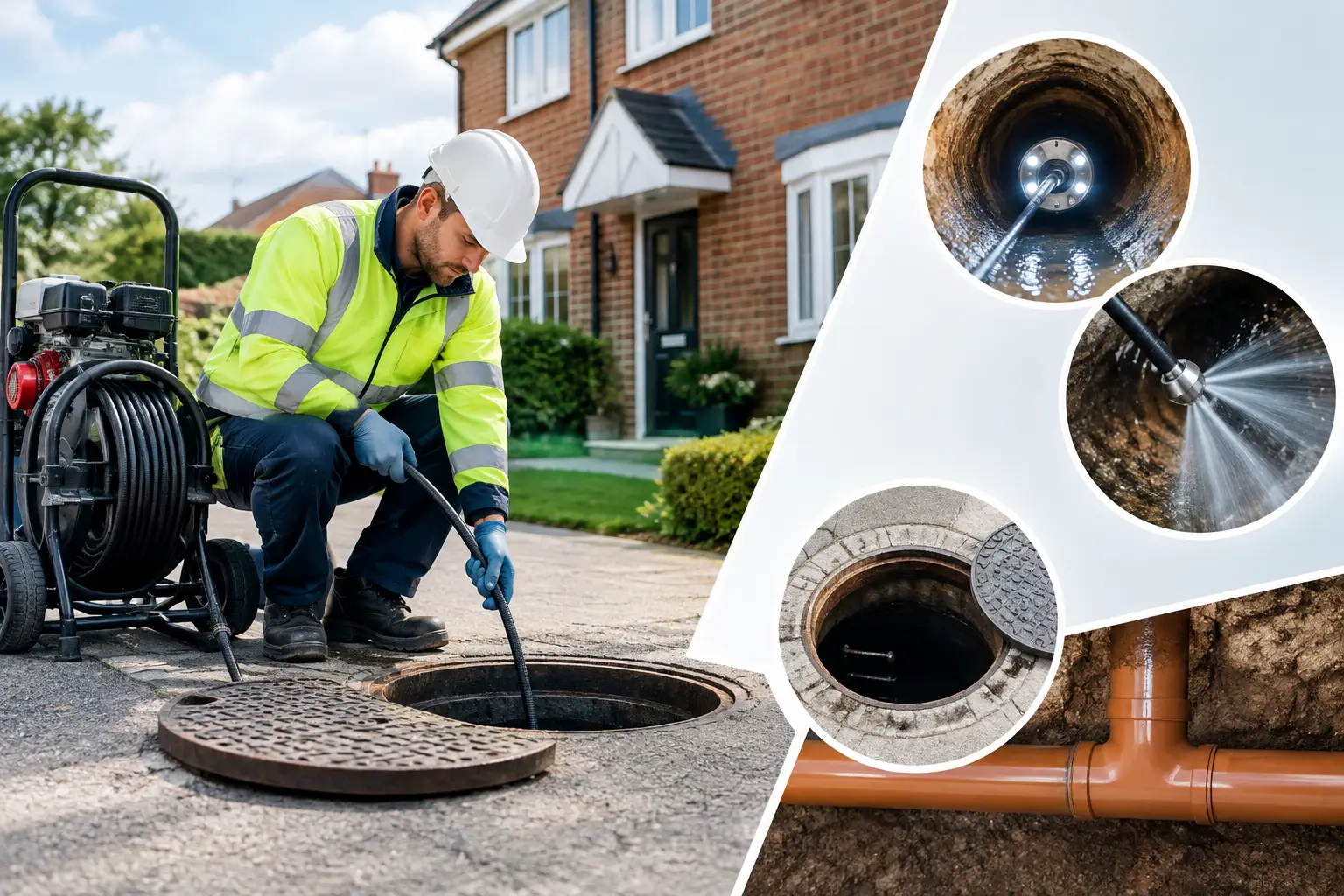
A drainage specialist will normally begin by assessing the visible symptoms, checking accessible drains, gullies and manholes, and testing how the system is flowing. Professional drain clearance equipment can remove many common obstructions, including built-up debris, grease and roots.
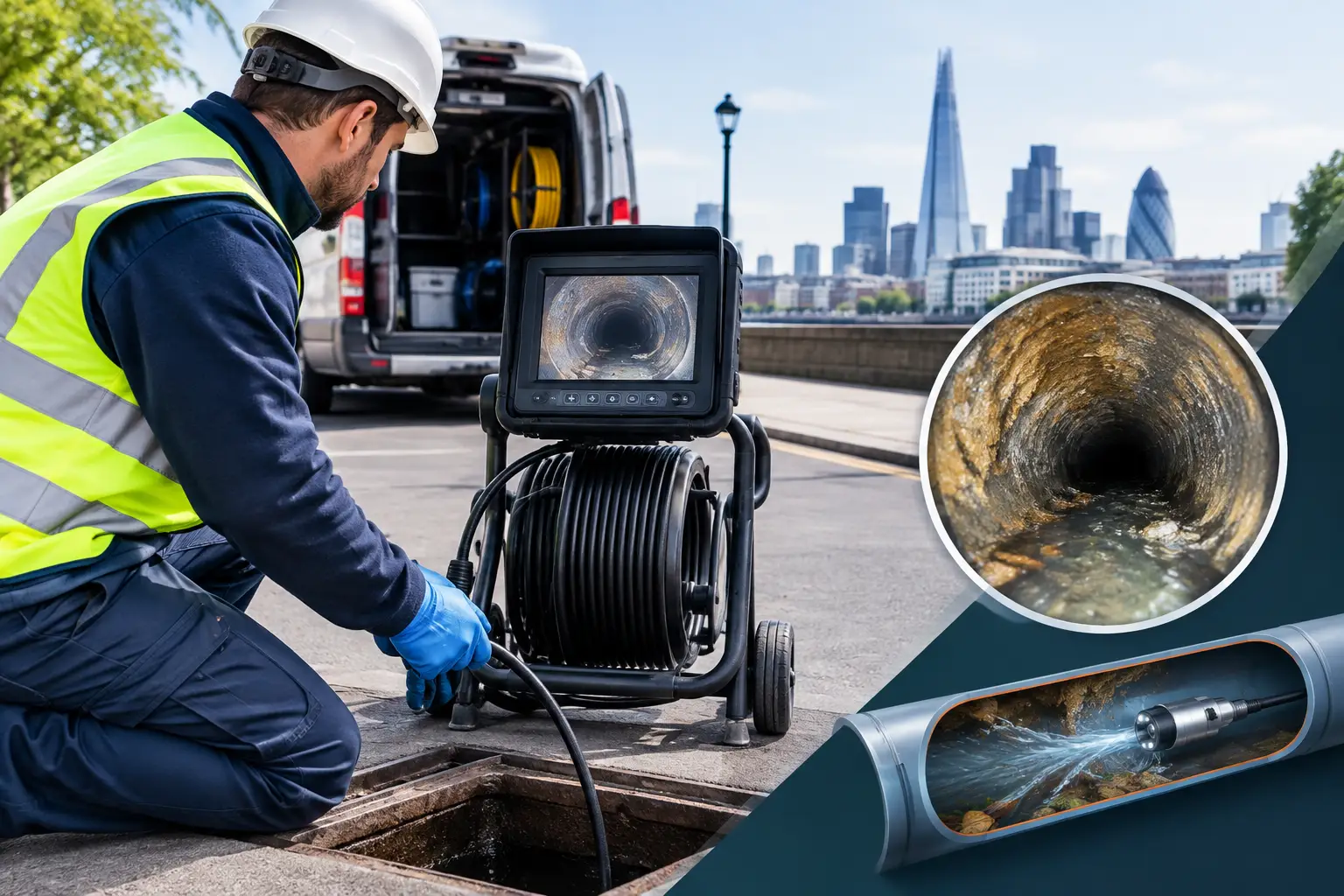
Where the cause is unclear or the blockage keeps returning, a CCTV drain inspection can be particularly useful. A camera survey allows the inside of underground pipes to be checked for cracks, displaced joints, root intrusion, collapsed sections and obstructions. This provides a clearer basis for deciding whether cleaning, repair or further investigation is needed.
For properties in Greater London, where older drainage systems and closely built homes are common, an inspection can prevent assumptions. Water may travel some distance underground before becoming visible, so the damp patch is not always directly above the fault.
What you can do while arranging help
If water is overflowing from a drain, avoid using toilets, sinks, washing machines and dishwashers where possible. Reducing the amount of water entering the system can help prevent further backup. Keep children and pets away from standing wastewater, and do not attempt to remove a heavy manhole cover or enter any drainage chamber.
You can safely note where the damp is appearing, whether it worsens after using water fixtures or rainfall, and any odours or drainage noises you have noticed. This information helps a drainage engineer understand the pattern of the fault.
Avoid pouring harsh chemical drain cleaners into a severely blocked system. They may not reach the blockage, can create a hazard if the drain needs to be worked on, and will not repair structural damage. Nor should wet internal walls be sealed or redecorated before the water source has been resolved and the area has had time to dry properly.
When to call for emergency drain clearance
Some drainage problems cannot wait. Contact a professional promptly if sewage is backing up, water is overflowing inside or outside the property, a toilet cannot be used, or there is a strong foul smell alongside visible damp. These situations can worsen quickly and may affect hygiene, neighbouring properties or business operations.
Recurring blockages also deserve attention, even if they seem to clear temporarily. Repeated problems often indicate more than everyday debris and may require CCTV investigation to find the cause. RF Drainage Experts provides 24/7 emergency drain clearance, inspection and repair support across Greater London and surrounding areas, with clear communication about the issue found and the work required.
Damp does not always start with a drain, but a blocked or damaged drainage system should never be ruled out when moisture, odours and poor drainage appear together. Getting the cause checked early is the most practical way to protect the property and restore peace of mind.