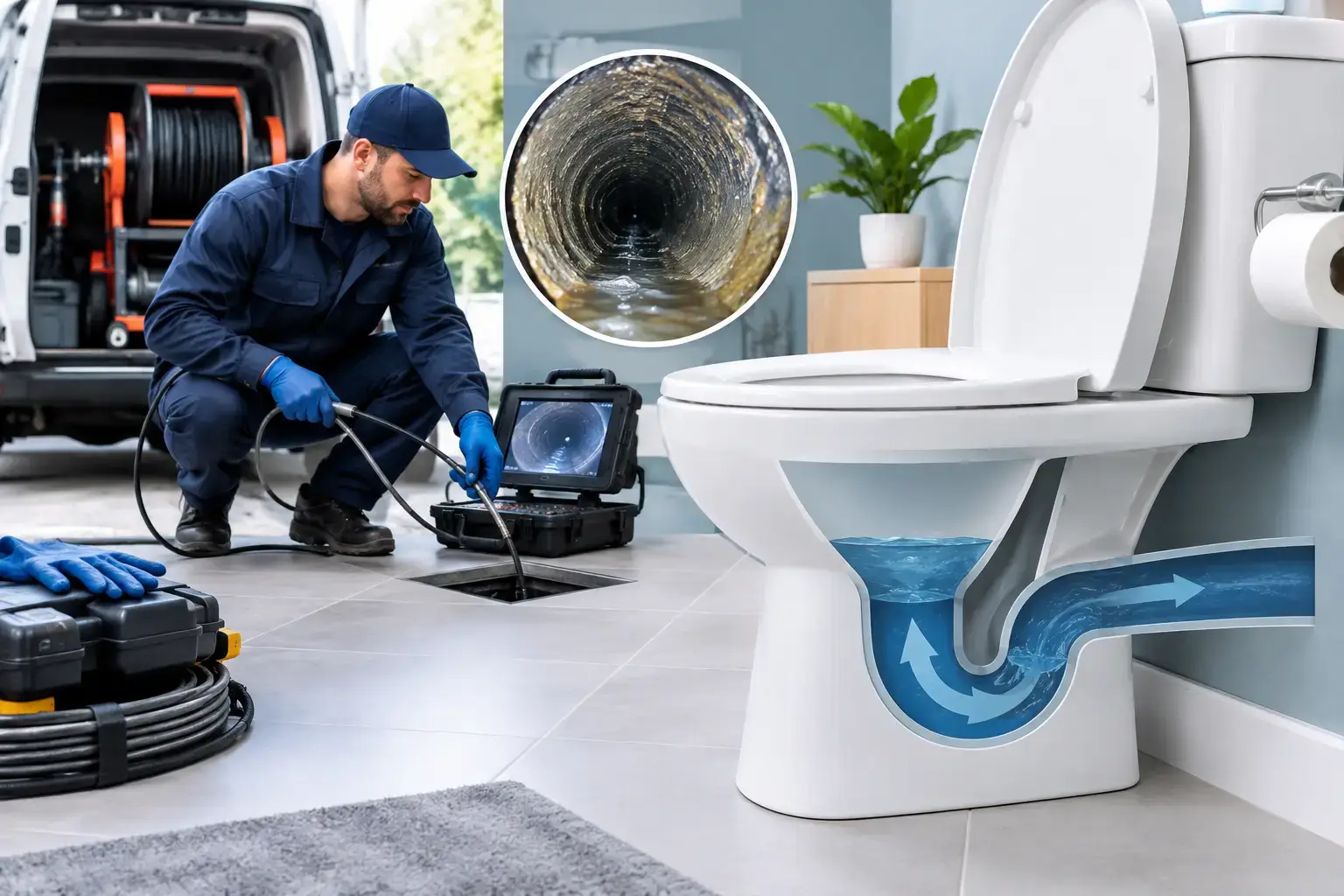
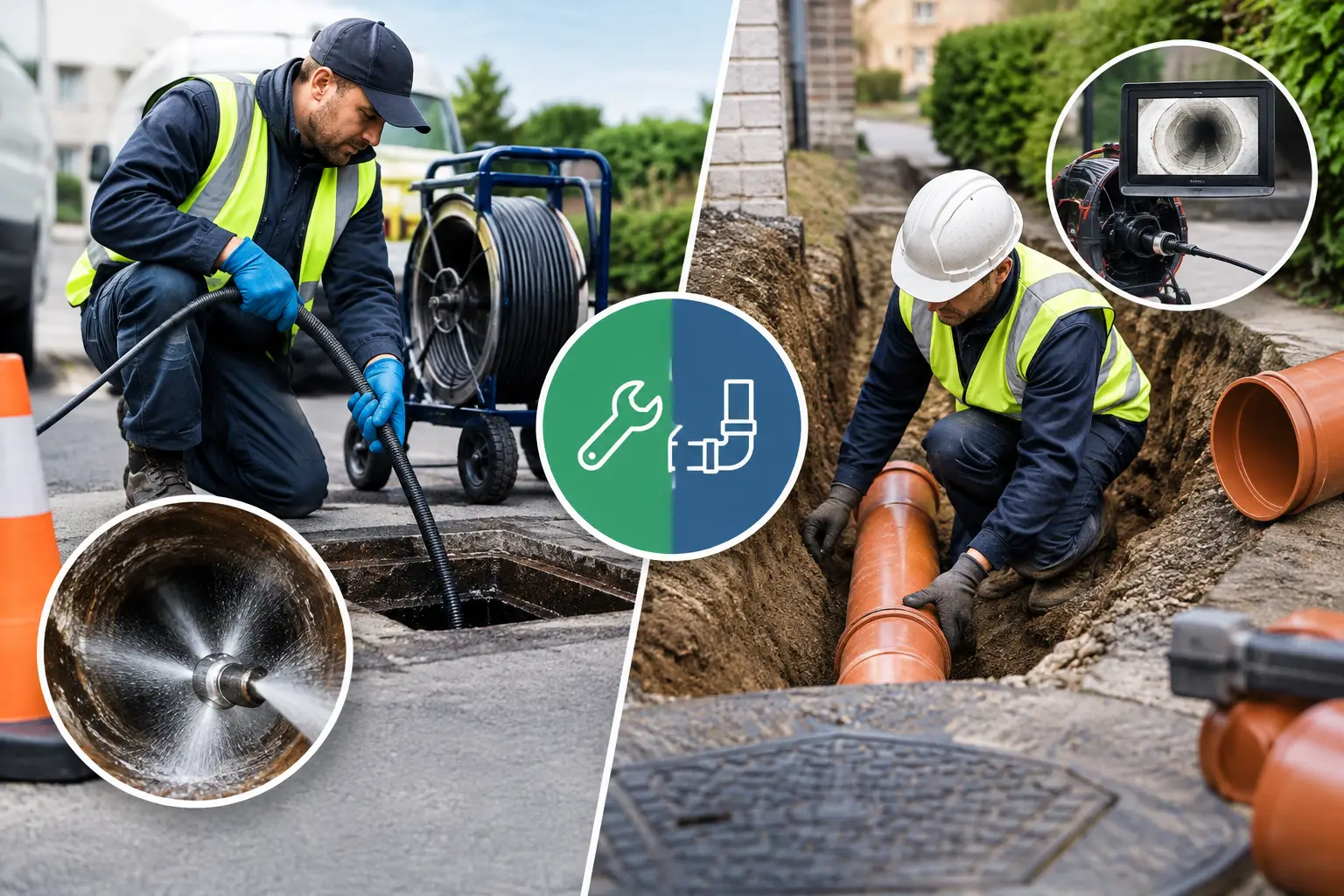
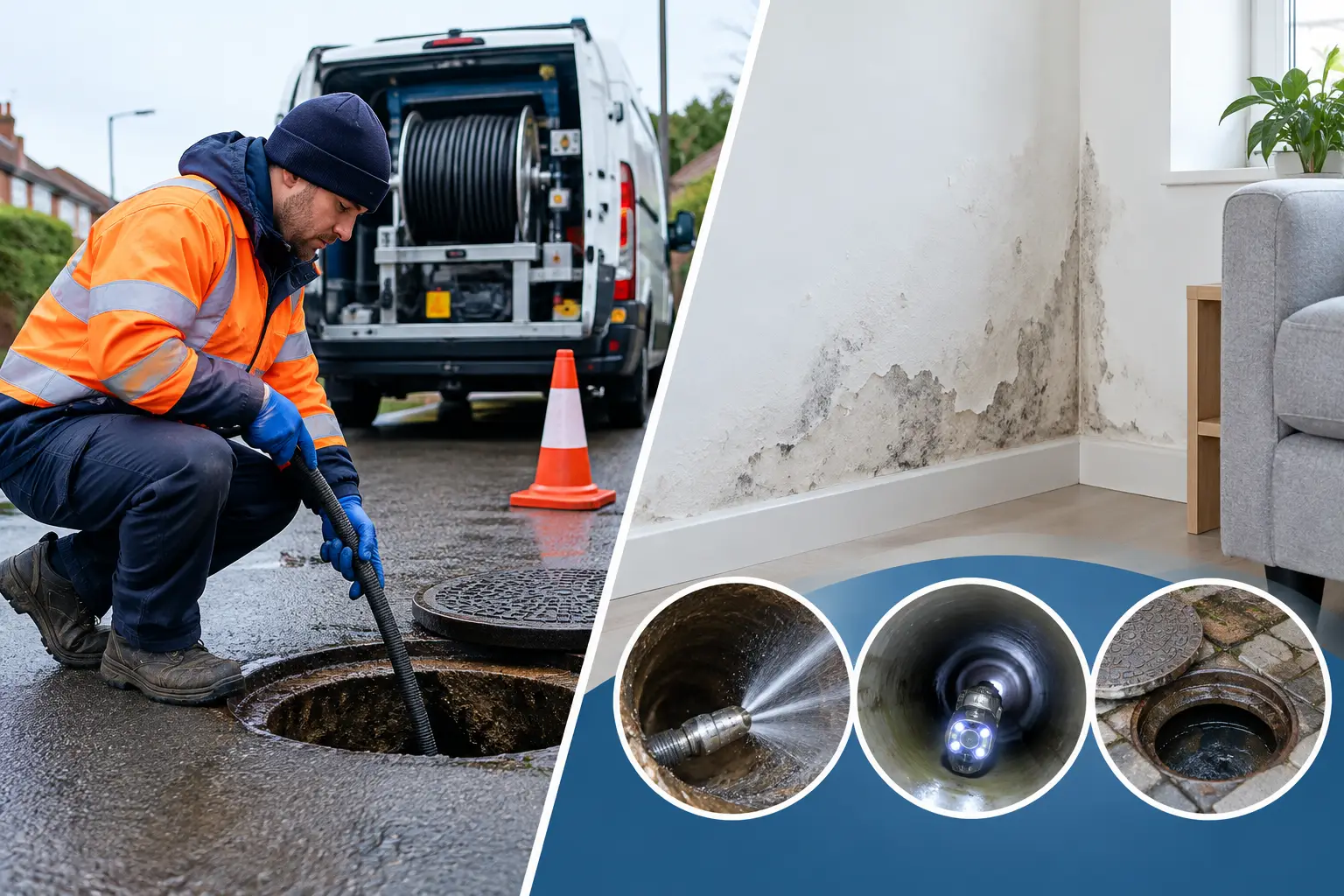
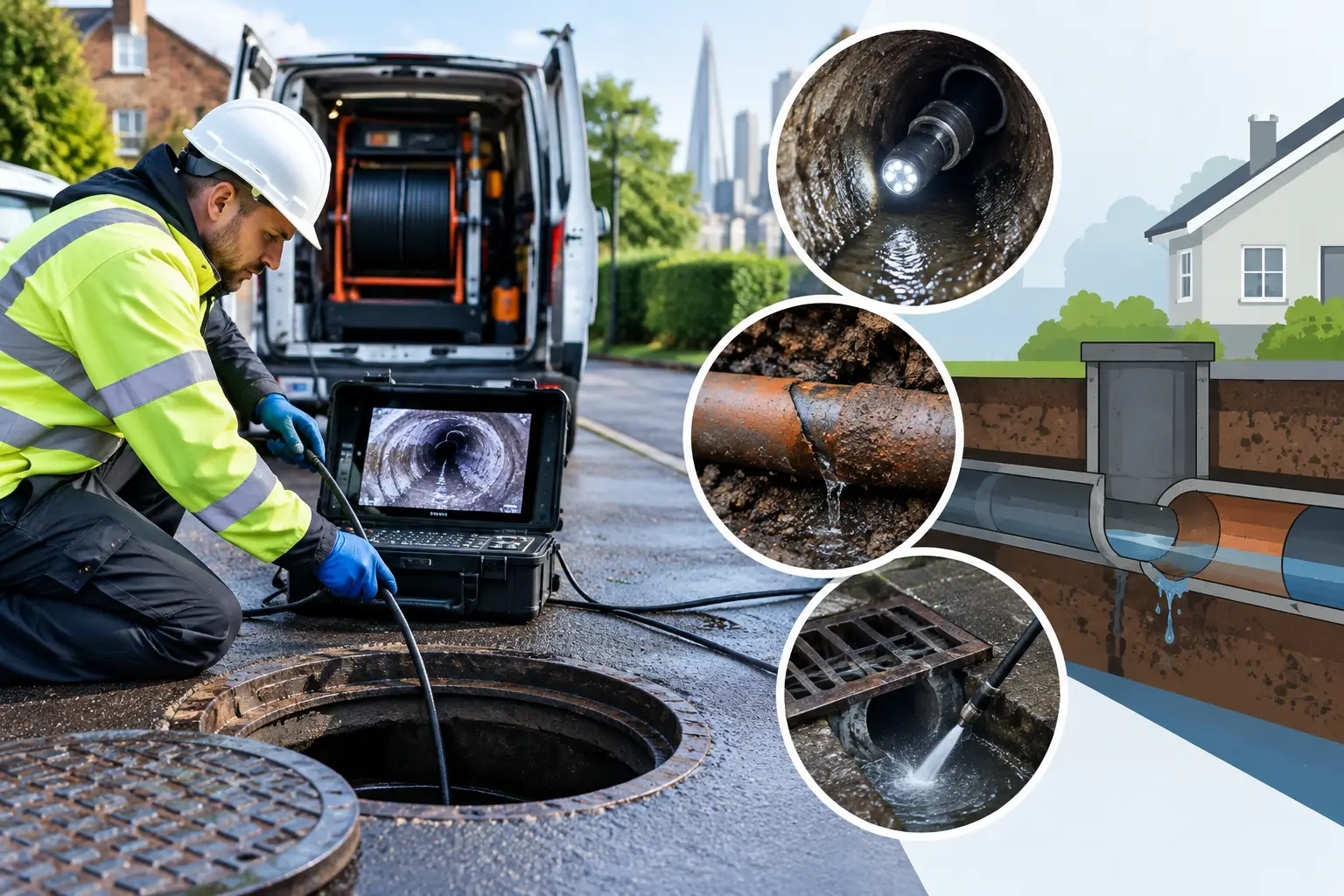
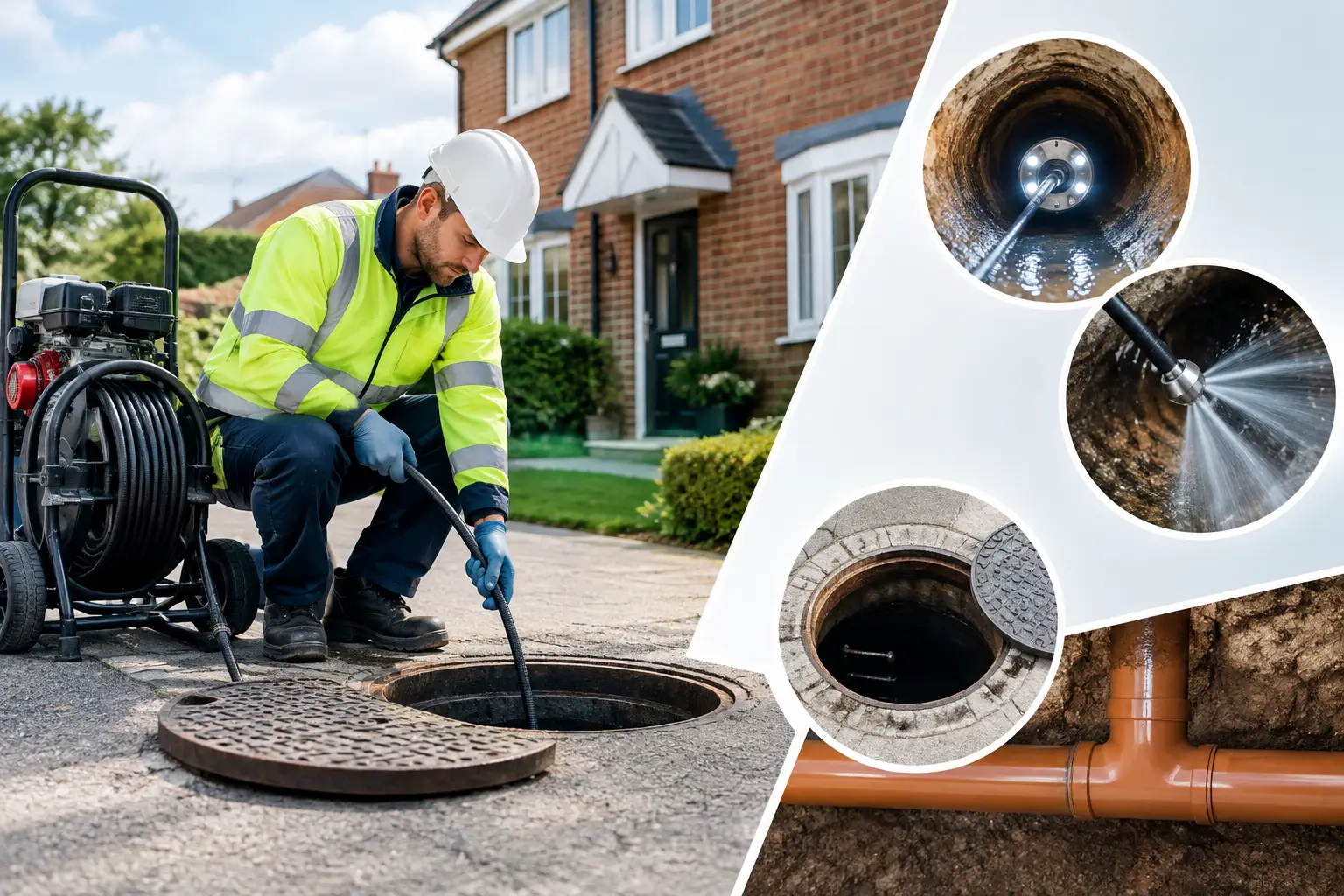
A blocked toilet on a Saturday evening can quickly become more than an inconvenience in a rented property. It can affect hygiene, damage flooring and leave tenants unable to use essential facilities. This landlord drainage responsibilities guide explains who normally deals with drainage problems, where tenant responsibilities begin, and when urgent professional help is the sensible next step.
For landlords in Greater London, the key is not simply knowing who pays for a blockage. It is acting promptly, recording what happened and dealing with the underlying cause where there is one. A drain that blocks repeatedly may be suffering from a structural fault, root intrusion or a problem further along the pipework, rather than everyday misuse.
What drainage repairs is a landlord responsible for?
In England, landlords are generally responsible for keeping the structure and exterior of a rented home in repair. This commonly includes drains, external pipework, gutters and sanitary installations such as basins, sinks, baths and toilets. In practical terms, a landlord will usually need to arrange repair when a drainage issue is caused by wear and tear, a defect, damaged pipework or a fault that the tenant did not cause.
Responsibility can include an internal soil pipe serving the toilet, a leaking waste pipe under a sink, a blocked external drain, a cracked underground drain or a damaged gully. If the problem prevents normal use of the property or creates a risk of flooding or sewage contamination, it should be treated as urgent.
There are limits. The exact responsibility can depend on the tenancy agreement, the layout of the property and whether a pipe or sewer is privately owned or maintained by the local water company. However, a tenancy agreement cannot simply remove a landlord’s legal repair obligations. Where there is doubt, it is wise to get clear advice and establish the source of the fault before deciding who should pay.
Shared drains and sewers can be less straightforward
Many London properties have shared drainage arrangements, particularly converted houses, older terraces and blocks of flats. A blockage may be within the property’s own pipework, in a shared private drain, or in a public sewer outside the boundary. The responsible party can differ in each case.
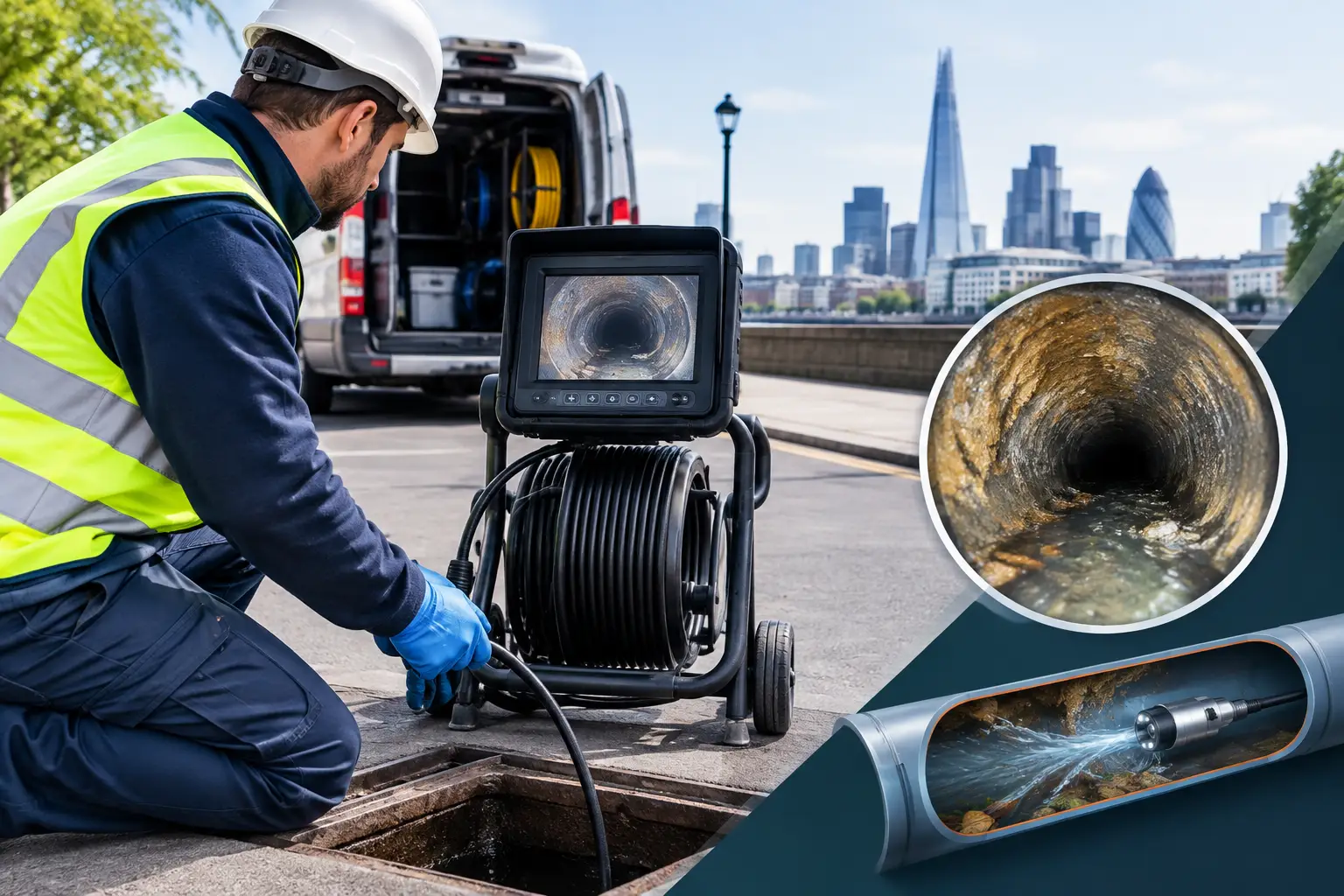
A professional drainage investigation can identify where the obstruction or damage sits. CCTV drain inspection is particularly useful when a blockage keeps returning, when the pipe route is unclear, or when there are signs of a crack, collapse or roots entering the line. It provides evidence to support a practical discussion with tenants, managing agents, neighbours or the relevant water company.
When is a tenant responsible for a blocked drain?
Tenants have a duty to use the property in a tenant-like manner. That includes taking reasonable care, reporting faults promptly and avoiding actions that are likely to cause damage. If a blockage is clearly caused by inappropriate items being put into the drainage system, the tenant may be liable for the cost of clearance or repair.
Common examples include wipes, sanitary products, nappies, cotton buds, excessive cooking fat, food waste or other objects that should not enter a toilet, sink or drain. Grease is a frequent cause of kitchen drain blockages. It may seem liquid when poured away, but it can cool and harden inside the pipe, trapping food debris and causing water to back up.
That said, landlords should avoid assuming the tenant is at fault just because a drain is blocked. A standard blockage could reveal a deeper issue, such as displaced joints, poor pipe falls, scale build-up, roots or a damaged section of drain. If there is a genuine question over the cause, an inspection before allocating costs is fairer and often prevents a dispute.
Tenants should report warning signs early: slow-draining sinks, gurgling toilets, unpleasant smells, water collecting around an external gully or waste water coming back into a shower or bath. Waiting until water overflows can turn a straightforward clearance job into property damage and a more disruptive repair.
A practical landlord drainage responsibilities guide for emergencies
Drainage emergencies need a calm, clear response. The first priority is limiting damage and protecting people from contaminated water. Ask the tenant to stop using affected toilets, sinks, baths or appliances where possible. If water is rising or sewage is backing up, they should avoid contact with it and keep children and pets away from the area.
Landlords or managing agents should then arrange a suitable drainage contractor without unnecessary delay. For an active overflow, a completely blocked toilet in a one-bathroom property, sewage backing up indoors or flooding around a drain, waiting until normal working hours may not be reasonable. A 24/7 emergency drain clearance service can clear the immediate obstruction and assess whether further repair work is required.
Keep a record of the tenant’s report, the timing of your response, photographs where appropriate, and the contractor’s findings. This is useful for deciding whether the issue was accidental, tenant-caused or linked to a defect in the drainage system. It also creates a clear history if the problem returns.
Do not encourage tenants to use harsh chemical drain cleaners or improvised tools on a serious blockage. These products can be ineffective against larger obstructions, may damage some pipework and can make work more hazardous for anyone clearing the drain afterwards. A plunger may help with a minor local blockage, but repeated plunging is not a solution to a problem in external or underground drainage.
How to prevent recurring drainage problems in rental properties
Prevention is usually less disruptive than an emergency call-out, especially in properties with a history of blocked drains. There is no single maintenance routine that suits every property. A modern flat with short internal pipe runs needs different attention from an older house with mature trees near its external drains.
For most rentals, clear tenant information makes a real difference. At the start of a tenancy, explain what must not be flushed or poured down sinks. A simple note about wipes, fat, food scraps and foreign objects can prevent avoidable call-outs. Tenants also need to know who to contact if the toilet will not flush, the kitchen sink is backing up or an outdoor drain is overflowing.
Landlords should pay closer attention where there are repeat reports, older pipework, large trees nearby or external gullies that collect leaves and debris. Clearing surface debris from accessible gullies can help water flow during heavy rain, but a gully that repeatedly fills or overflows may indicate a blockage below ground.
For a property with recurring problems, planned CCTV inspection and maintenance can be more useful than repeated basic clearances. The camera survey can show whether the pipe is damaged, misaligned, cracked or affected by roots. The right remedy depends on the finding. Sometimes professional cleaning is sufficient; sometimes the drain needs repair rather than another temporary clearance.
Landlords, agents and tenants: agree the reporting process
Many drainage disputes are made worse by uncertainty about who should be called. A tenant may contact a plumber for a problem that is actually in the external drain, while a landlord may not hear about a slow leak until it has damaged cupboards or flooring.
Give tenants a clear route for reporting both routine and urgent issues. They should provide the property address, the affected fixture, when the problem began, whether other fixtures are affected and whether there is any overflow. These details help a contractor assess the likely location and urgency of the fault before attending.
Letting agents should also know the agreed authority for emergency works. If they manage the property, set out how they should deal with an out-of-hours blockage, what information they should obtain, and when the landlord must be contacted. Clear arrangements mean less delay when tenants are faced with a non-functioning toilet or drainage backup.
When professional drainage inspection is the right next step
A one-off blocked sink may be resolved with straightforward clearance. Repeated blockages, foul odours, slow drainage across several fixtures, damp patches near pipe routes or sewage appearing outside are different. They point to a fault that needs investigation, not guesswork.
RF Drainage Experts can provide emergency drain clearance, drain repair and CCTV drain inspection for rental properties across Greater London and nearby areas. Professional equipment can remove blockages from kitchen drains, toilets, external drains and gullies, while a camera survey can help identify cracks, roots and other defects below ground.
A landlord does not need to diagnose the drainage system before calling for help. The most useful action is to respond quickly, keep communication open with the tenant and make decisions based on the actual cause of the problem. That approach protects the property, reduces avoidable disruption and gives everyone a clearer route to a lasting repair.