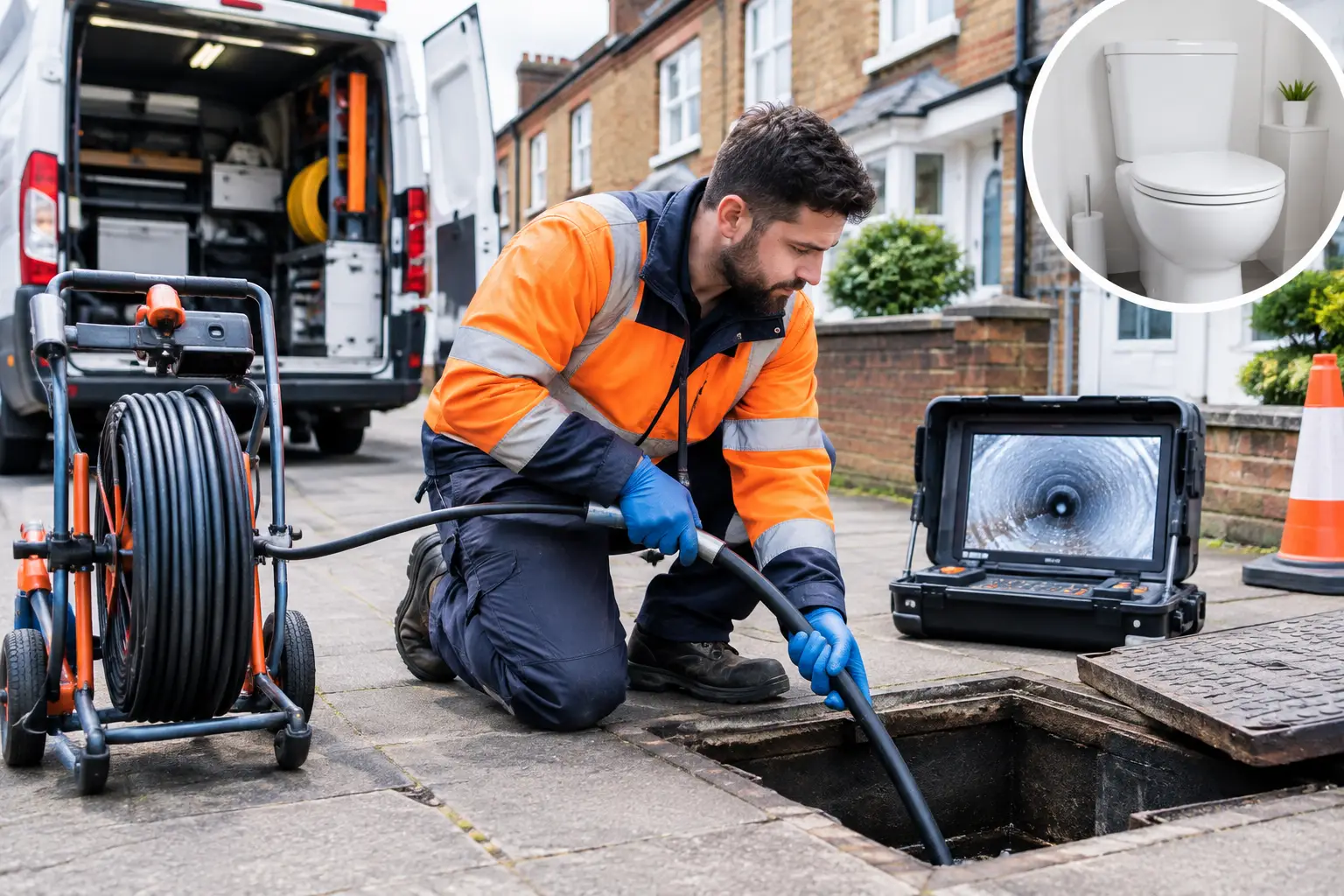
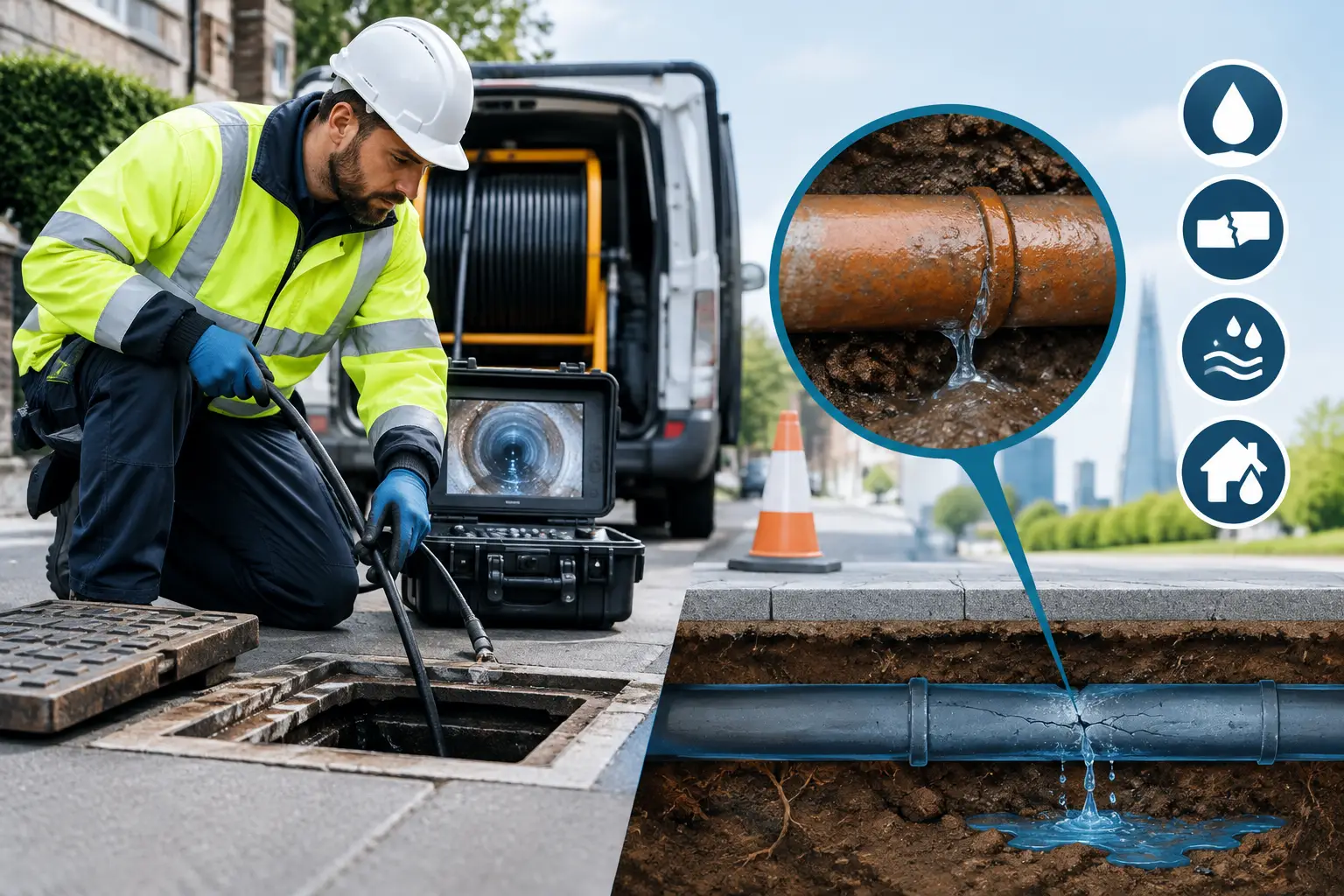
A slow-draining sink is frustrating. A toilet that repeatedly backs up, a foul smell outside or water appearing around a manhole is more concerning. A professional drain inspection London property owners can rely on helps identify what is happening below ground without guessing, digging up the wrong area or repeatedly clearing the same symptom.
CCTV drain surveys give a clear view inside pipework that cannot be seen from the surface. For homes, rental properties, shops, offices and restaurants, this can turn an unclear drainage problem into a practical plan for cleaning, repair or ongoing maintenance.
What a CCTV drain inspection can reveal
Drainage faults are often hidden. Water may still pass through a pipe, but only slowly, while a partial blockage, cracked joint or root growth develops further along the line. Clearing visible water alone does not always deal with the cause.
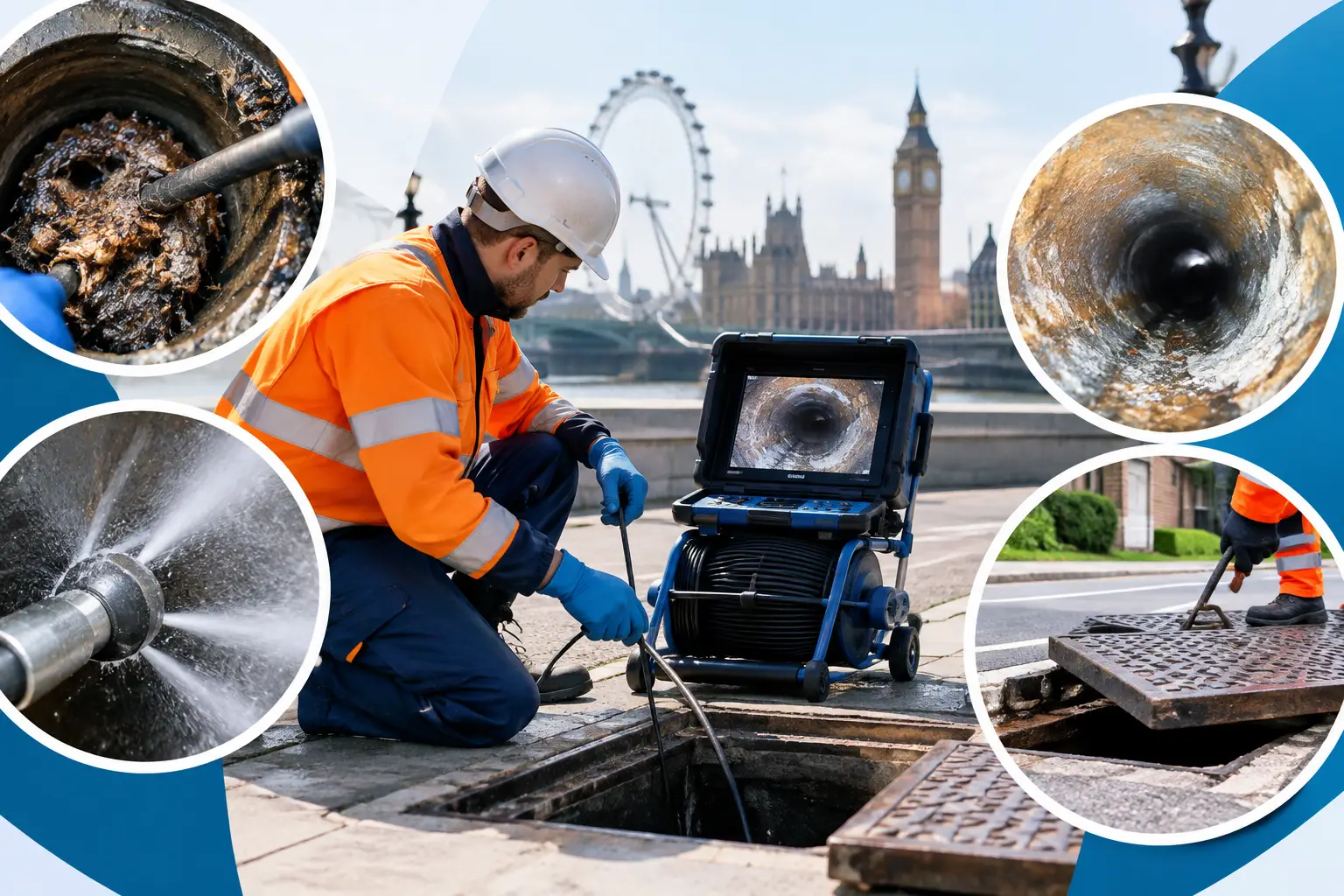
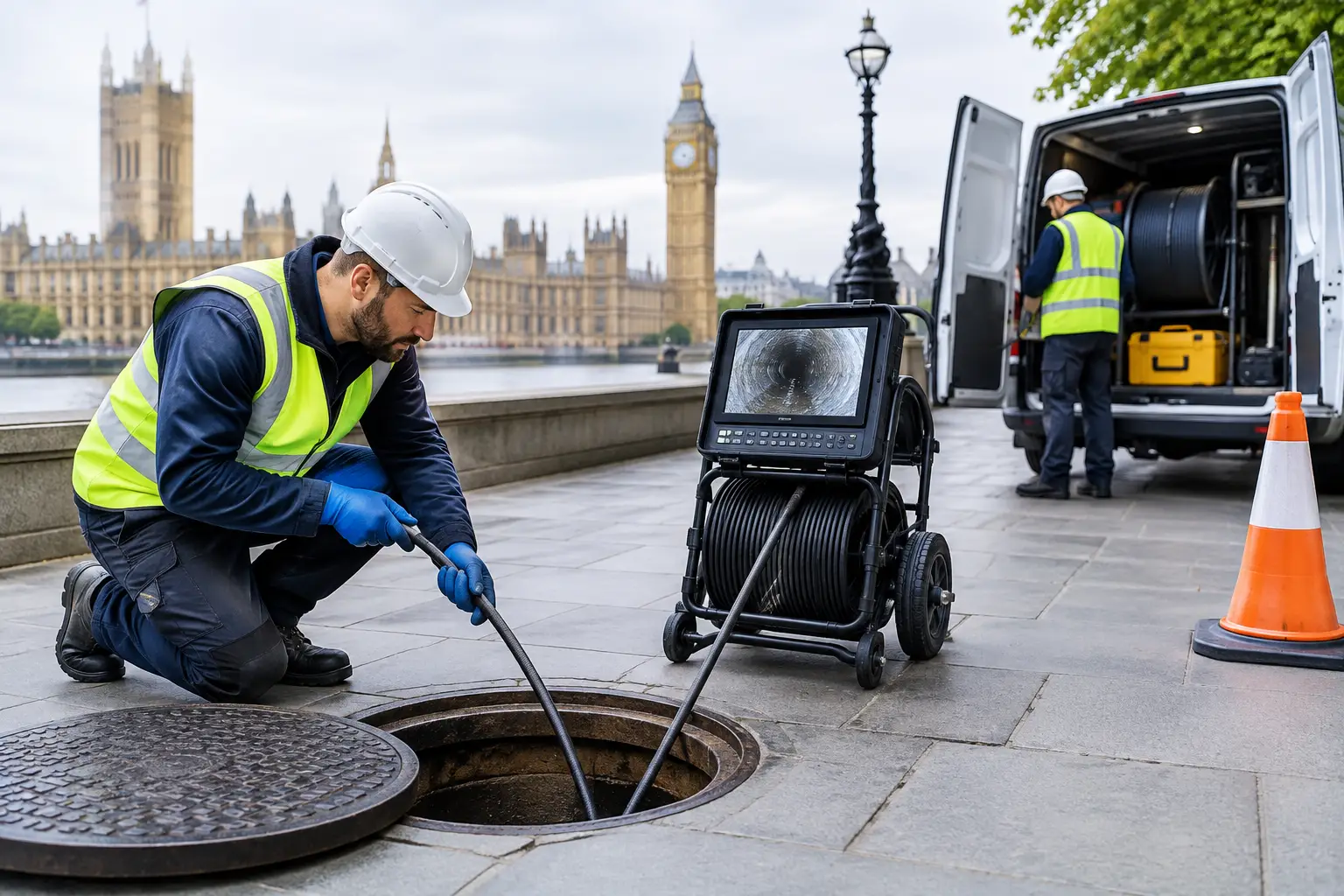
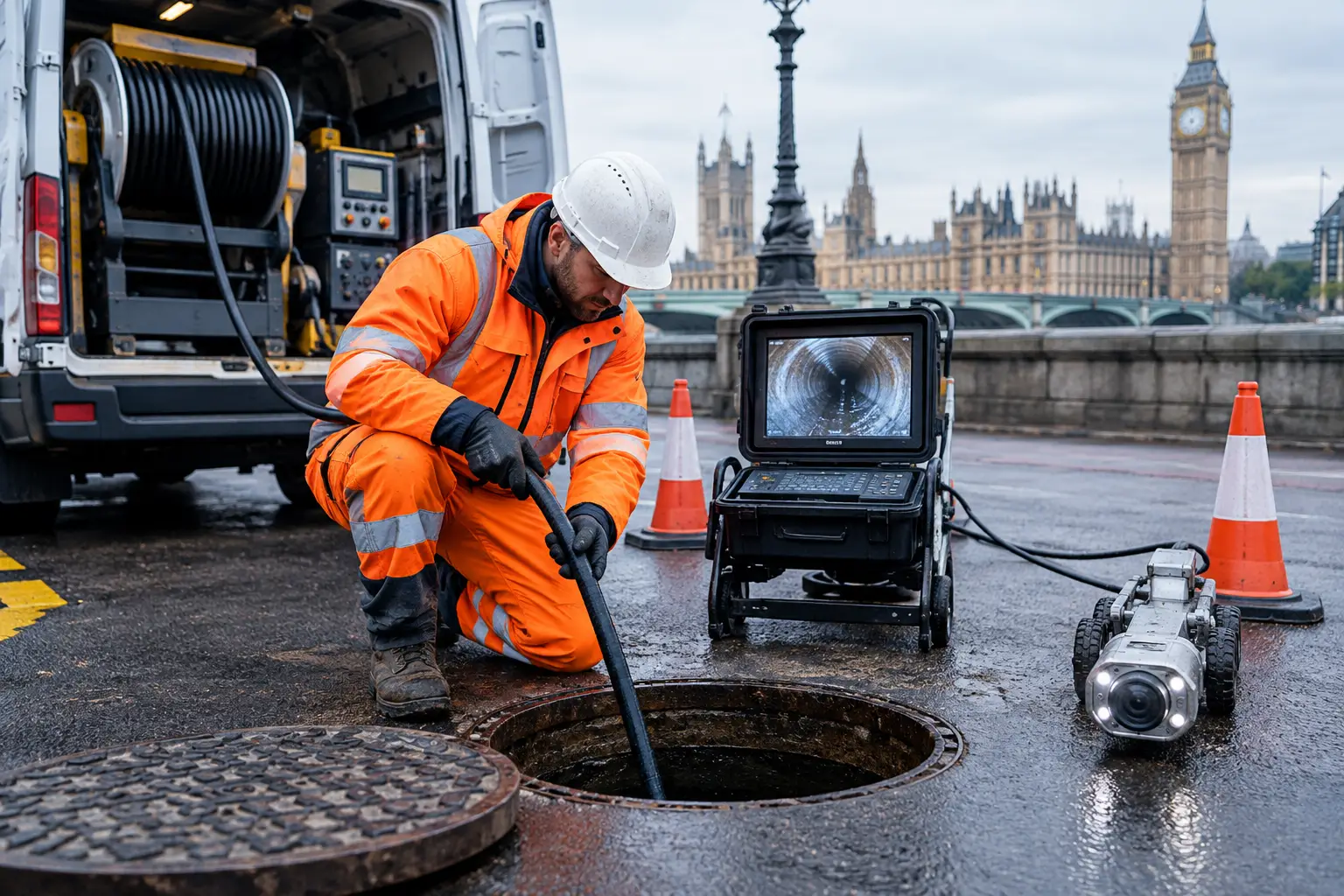
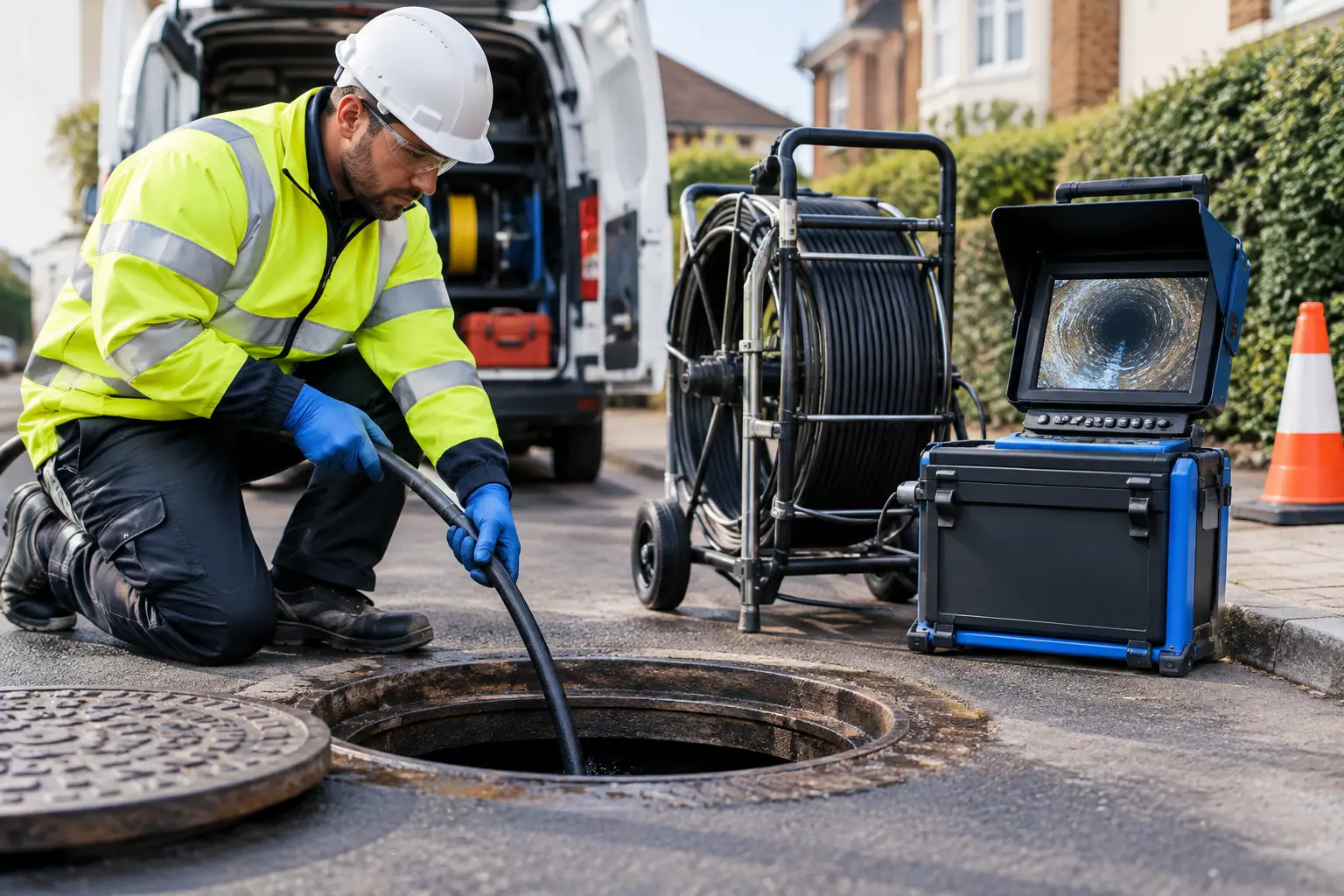
During an inspection, a specialist camera is fed through the drain. The live footage allows the drainage engineer to assess the condition of the pipe and locate the issue as accurately as possible. This is particularly useful where drains run beneath floors, gardens, driveways or busy commercial areas.
A camera survey can identify a range of problems, including:
- Build-ups of grease, food waste, wipes, scale or debris restricting the pipe
- Tree root intrusion entering through joints or cracks
- Cracked, displaced, collapsed or badly worn sections of drain
- Poor pipe connections, construction debris or a pipe that has sagged and collects waste
- Recurring blockages caused by a fault further down the drainage system
The findings matter because the right solution depends on the condition of the drain. A simple blockage may need professional clearance and cleaning. Roots may need to be removed before damaged joints are repaired. A severely damaged pipe may require a targeted repair rather than repeated emergency call-outs.
When to book a drain inspection in London
A complete blockage needs prompt attention, especially if wastewater is backing up into a property. However, an inspection is not only for emergencies. It is often the sensible next step when a problem returns after clearing or when there are signs of damage that cannot be confirmed from above ground.
Arrange an inspection if the same toilet, sink, bath or external drain keeps blocking. Repeated gurgling sounds, slow drainage in more than one fixture, unpleasant smells, damp ground near a drain or overflowing gullies can also point to a deeper issue. In some cases, water may drain normally in dry weather but back up after heavy rain, suggesting a restriction or defect in the external system.
For landlords and managing agents, a CCTV survey can help establish whether a reported drainage issue is likely to be a local internal blockage or a fault in the pipework. That clarity is useful when deciding the next repair and communicating with tenants.
For businesses, early investigation can reduce disruption. A blocked kitchen drain in a restaurant, for example, can quickly affect hygiene and trading. In an office, retail unit or communal building, an unexplained drainage smell or recurring external overflow should not be left until it becomes a larger incident.
How a professional drain inspection works
The visit normally begins with a discussion of the symptoms. Knowing when the problem occurs, which fixtures are affected and whether the drain has blocked before helps build a clearer picture. The engineer will then identify a suitable access point, such as a manhole, rodding eye or external drain.
If the line is heavily blocked, it may need to be cleared first so the camera can travel through it and provide useful footage. The camera is then moved through the pipework to inspect the internal condition and pinpoint restrictions, damage or root ingress.
The value of this approach is not simply the equipment. It is the explanation that follows. A clear inspection should set out what has been found, where the issue is located and what options are appropriate. Some faults need immediate work; others can be monitored or scheduled before they worsen. The sensible course depends on the severity of the damage, how often the problem occurs and the risks to the property.
Inspection versus drain clearing: which do you need?
Drain clearing and drain inspection often work together, but they are not the same service. Clearing removes an obstruction or restores flow. An inspection investigates why the obstruction happened and whether the pipe is sound.
If a kitchen sink has only recently slowed because of a local build-up of food debris or grease, professional clearing may be enough. If it blocks again within weeks, or several drains are affected at once, a CCTV survey is usually more useful than repeating the same treatment.
The same applies to external drains. Leaves and surface debris can block a gully, particularly after poor weather, and cleaning may resolve it. But persistent standing water, sewage odours or repeated overflows can indicate a problem deeper in the pipe. Looking inside the drain helps avoid treating a structural fault as a routine blockage.
Why recurring blockages should not be ignored
It is tempting to rely on chemical drain products or temporary plunging when water starts to clear again. These methods may offer short-term relief for minor local blockages, but they cannot show whether roots, a collapsed section or a poor connection is causing the issue. Strong chemical products can also be unsuitable for some pipework and do not remove every type of obstruction.
Leaving a recurring problem can lead to wastewater backing up, damage to surrounding ground or floors, unpleasant odours and more extensive repair work later. For commercial premises, the effect can include interrupted service, reduced access to facilities and avoidable hygiene concerns.
An inspection is especially worthwhile after a drain has flooded internally or externally. Once the immediate issue is made safe and flow is restored, checking the pipe condition can help reduce the chance of a repeat event.
Drain surveys before property work or purchase
A drain inspection can also be useful when no active blockage is present. Older properties may have drains that have shifted over time, while mature trees can affect buried pipework long before a complete blockage occurs. If building work, landscaping or a driveway project is planned near drainage runs, understanding the layout and condition beforehand can prevent unwelcome surprises.
Buyers may also choose a survey where there are concerns about an older property’s drains, previous flooding or visible signs such as damaged covers and persistent smells. A survey cannot predict every future issue, but it provides a factual view of the accessible pipework at the time of inspection.
Choosing a practical response to the findings
Not every defect means major excavation. The best solution depends on the camera findings, the pipe material, the location of the fault and whether the drain continues to function safely. Minor debris may only require thorough cleaning. Localised root ingress may need clearance and repair of the point where roots entered. More serious cracks, displaced joints or collapse require a more considered repair plan.
A professional drainage contractor should explain this in straightforward terms, rather than rushing to the most disruptive option. RF Drainage Experts uses CCTV drain inspection equipment to investigate hidden faults and advise on the appropriate next step, from drain cleaning to targeted repair work.
Keeping drains in better condition after an inspection
Once a drain has been cleared or repaired, small habits can make a real difference. Keep fats, oils and food waste out of kitchen sinks, use suitable strainers where practical and avoid flushing wipes, sanitary products or other items that do not break down properly. Outside, keep gullies free from leaves and visible debris, particularly in autumn and before periods of heavy rain.
These measures will not prevent every problem. Roots, ageing pipework and ground movement are outside normal household control. But responding quickly to early changes in drainage performance gives you more options than waiting for a complete blockage.
If water is backing up, sewage is visible or a drain is overflowing, treat it as urgent and arrange professional help. Where the issue keeps returning or the cause is unclear, a CCTV inspection provides the evidence needed to make a calm, informed decision before a hidden drain fault creates wider disruption.