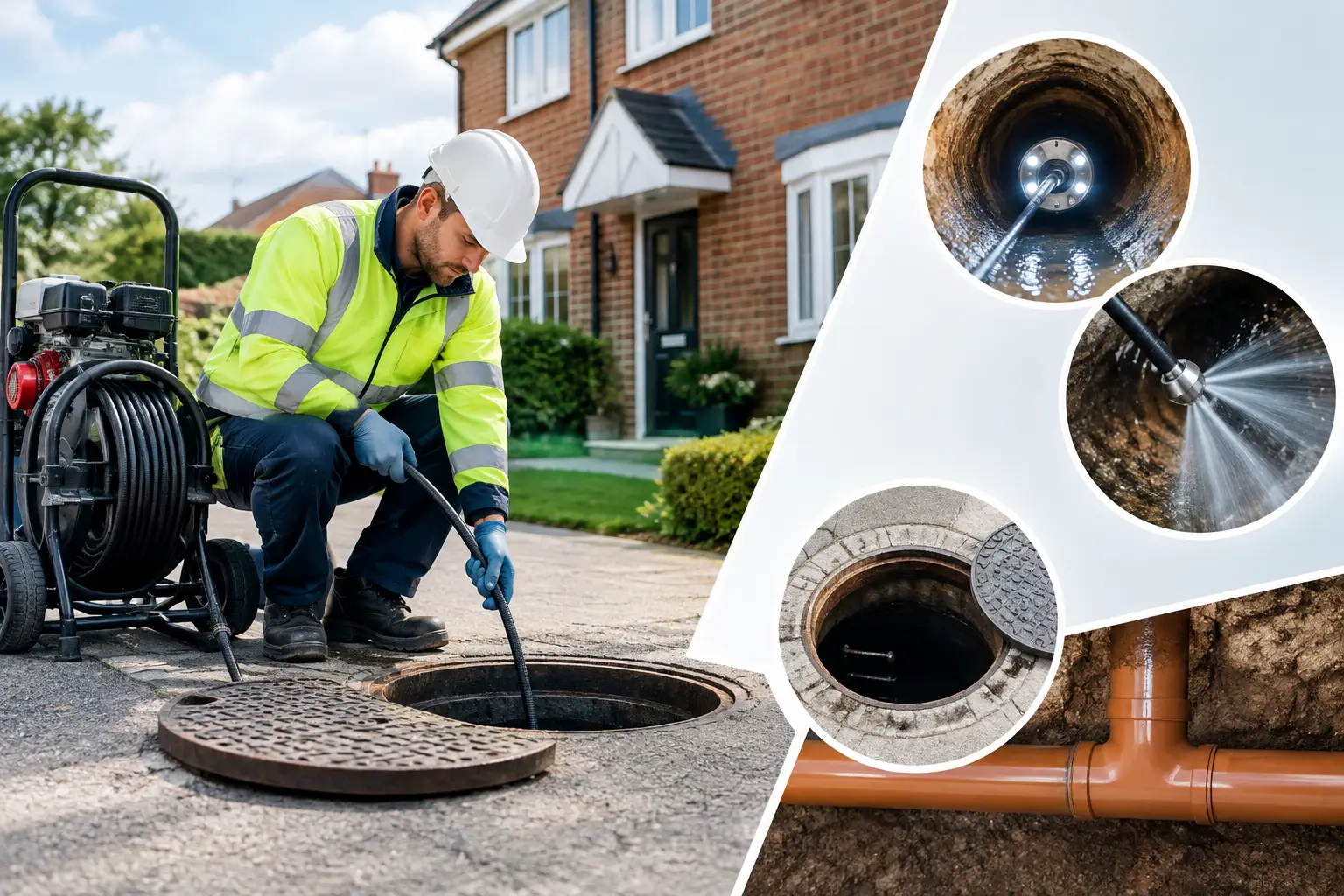
A drain that keeps blocking, smells unpleasant or causes water to back up can quickly turn from a nuisance into a property problem. When considering drain repair versus replacement, the right answer depends on what is happening below ground, how extensive the damage is and whether the fault is likely to return. A professional CCTV drain inspection is often the clearest way to avoid paying for work that does not address the real cause.
For homes, rental properties and commercial premises across Greater London, the priority is usually the same: stop the immediate disruption, identify the fault accurately and choose a solution that will last.
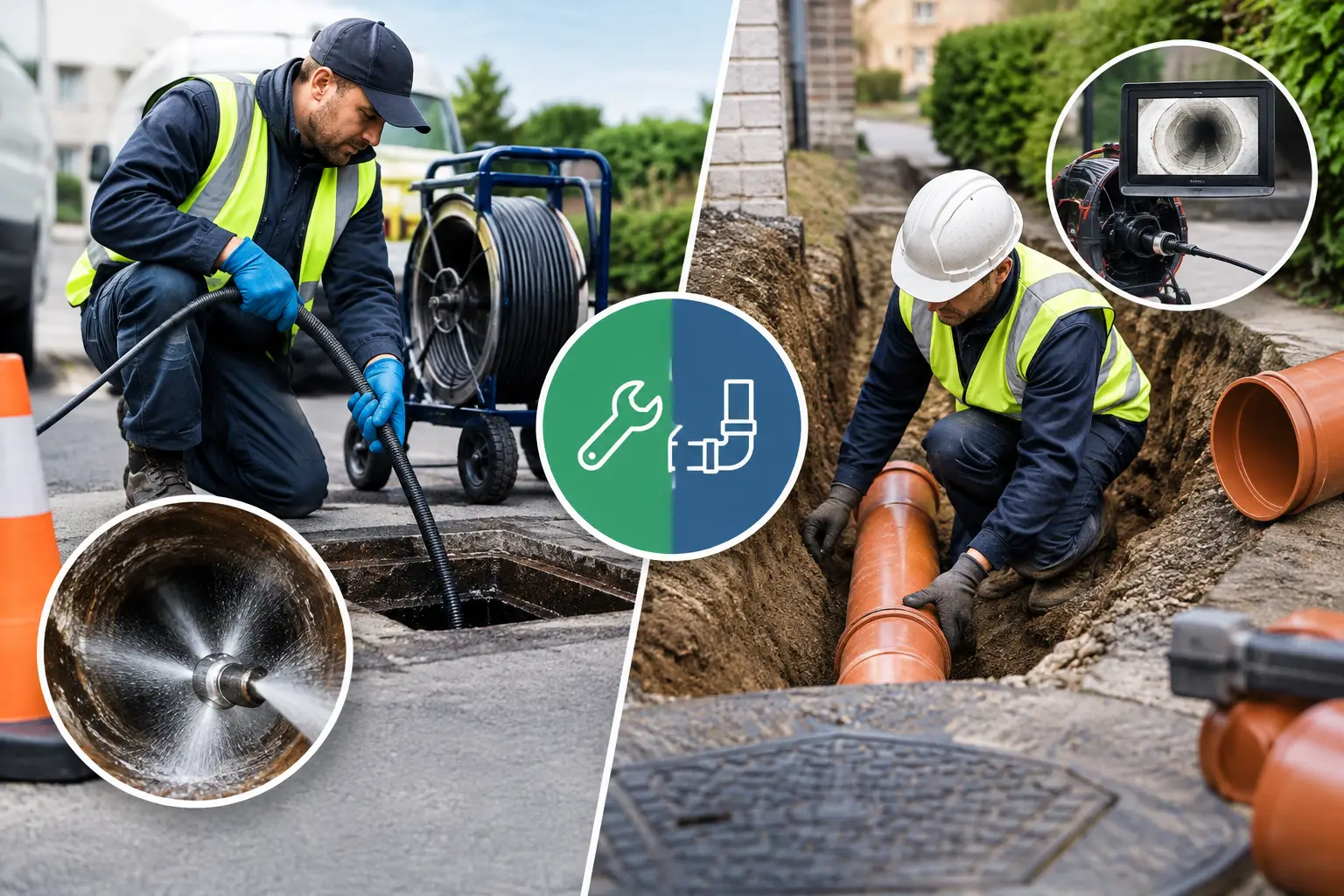
Drain repair versus replacement: the key difference
Drain repair means fixing a specific fault while keeping as much of the existing pipework as possible. This may involve clearing roots, repairing a cracked section, sealing a joint or installing a liner inside a damaged pipe. It is often suitable where the drain is largely sound and the problem is limited to one area.
Drain replacement involves removing and renewing part, or sometimes all, of a damaged drainage run. This is more likely to be needed where pipes have collapsed, are severely displaced, have widespread fractures or were installed with an unsuitable fall. Replacement can be a bigger job, particularly if excavation is required, but it may be the more dependable long-term option for a seriously damaged system.
Neither option is automatically better. Repair can be less disruptive and more cost-effective when the damage is localised. Replacement may make better sense where repeated repairs would only postpone a larger failure.
Start with an accurate drain inspection
Recurring drainage faults are not always caused by a simple blockage. Grease, wipes and debris can obstruct a drain, but the reason a blockage returns may be a broken joint, root intrusion, a crack or a section of pipe that is holding waste and water.
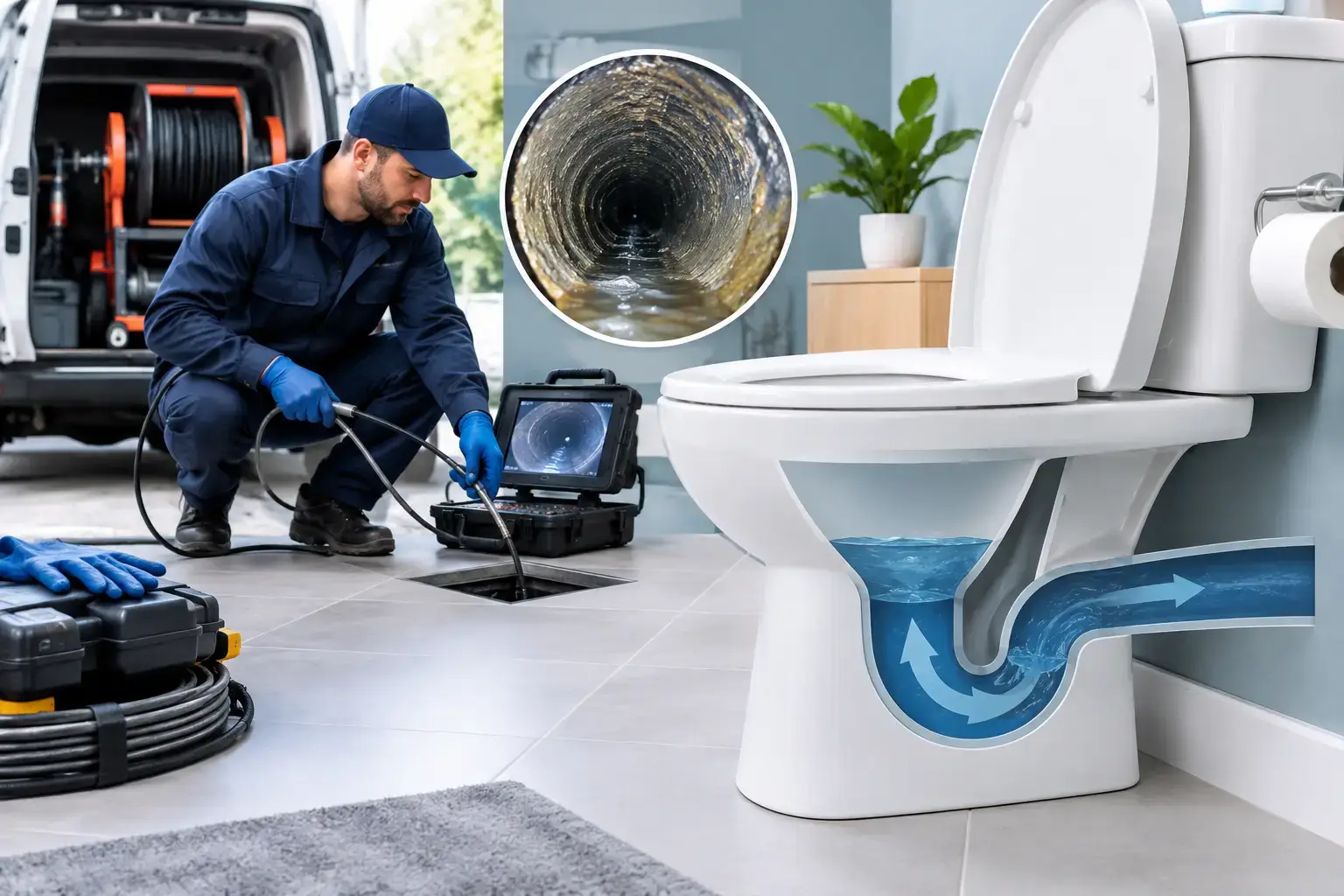
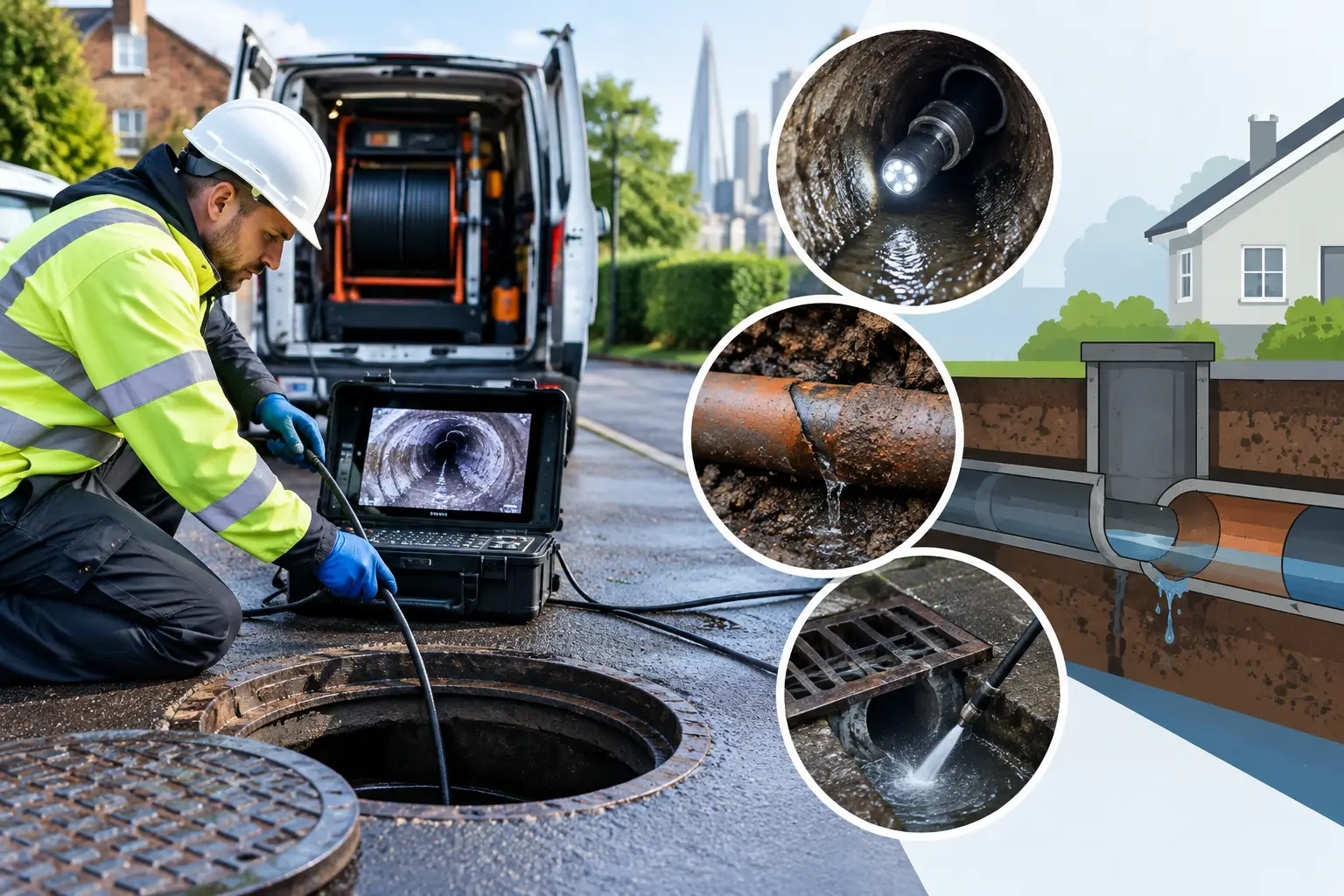
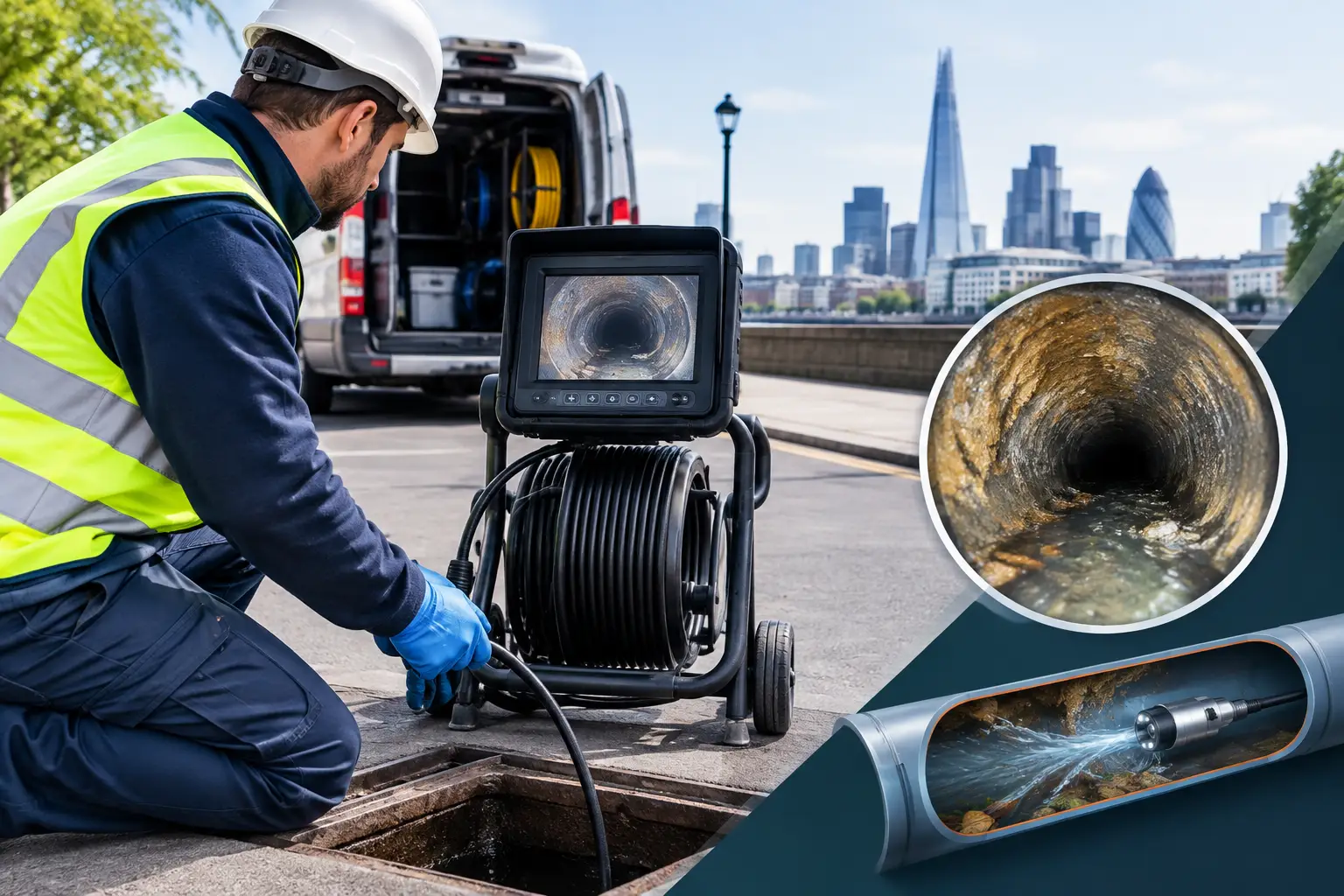
A CCTV drain survey allows the inside of the pipe to be examined without guessing or digging unnecessarily. The camera can show the condition of the drain, locate the fault and help establish whether the pipe is still structurally sound. It can also reveal issues that are difficult to spot from above ground, such as displaced sections, scale build-up and partial collapses.
This matters because clearing a blockage alone may restore flow for the moment, yet leave the underlying issue untouched. If a kitchen drain blocks every few months, or an external drain regularly overflows after rain, investigation is usually more useful than repeated emergency clearance alone.
When drain repair is usually the sensible option
A repair is often appropriate when there is one defined fault and the rest of the pipework remains in good condition. For example, a small crack, leaking connection or local root entry point may be resolved without replacing a whole drainage line.
Drain lining can be considered for suitable pipes. This involves creating a new, durable internal lining within the existing drain, helping to seal cracks and joints while avoiding extensive excavation. It is not appropriate for every situation, but it can be a practical option where the drain has the right shape and enough structural stability.
Local repairs may also be suitable after roots have entered through a joint. Roots should be removed properly, and the damaged entry point needs attention too. Otherwise, the drain may clear temporarily before the roots return and cause another blockage.
Repair can be particularly useful where access is limited. Pipes may run beneath patios, driveways, gardens or internal floors, so avoiding unnecessary excavation can reduce disruption to the property. The condition of the pipe always comes first, however. A less invasive repair is only worthwhile if it offers a reliable solution.
Signs that a repair may be enough
A repair may be recommended where CCTV footage shows a single crack or poor joint, minor root ingress, a localised leak or a pipe that is otherwise correctly aligned and in serviceable condition. The drainage engineer should be able to explain where the issue is, what has caused it and why the proposed repair is appropriate.
For landlords and facilities managers, this evidence is also helpful when planning maintenance and documenting work carried out at a property.
When drain replacement becomes necessary
Replacement is generally considered when the pipe has suffered major structural damage. A collapsed drain cannot usually be made dependable by simply clearing it, and a badly displaced pipe can continue catching debris even after it has been cleaned.
There are several situations where renewing a drain section may be the most practical route:
- The pipe has collapsed, flattened or has substantial sections missing.
- Multiple fractures or failed joints affect a longer run of drainage.
- The drain has moved out of line, creating repeated blockages and poor flow.
- The pipe has insufficient fall or has been installed incorrectly.
- Previous repairs have failed and faults keep returning in the same area.
Older pipework can also influence the decision. Some older drains may have deteriorated over time, particularly where ground movement, tree roots or long-term leakage have affected them. That does not mean every older drain requires replacement. Its actual condition, rather than its age alone, should determine the work needed.
Replacement may involve excavation to expose the damaged pipe and install a new section. While this is more disruptive than some repair methods, it provides access to remove failed pipework, correct alignment and restore proper flow. Where a serious defect is causing repeated flooding, sewage odours or damage around the property, a properly planned replacement can prevent ongoing call-outs and further inconvenience.
The factors that affect the decision
The size and location of the fault matter. A minor defect near an accessible manhole is very different from a collapsed drain beneath a building extension or driveway. Access, ground conditions and the route of the pipe can all affect the method used.
The type of property also matters. A blocked toilet in a family home needs prompt attention, while a drainage failure in a restaurant, office or shop can interrupt trading and create hygiene concerns. In either case, the immediate blockage may need clearing first, followed by a fuller inspection once the system is flowing.
It is also worth considering how often the problem has occurred. One isolated blockage caused by excess paper or food waste does not automatically indicate damaged pipework. Repeated blockages in the same drain, especially alongside slow drainage, gurgling sounds, foul smells or wet patches outside, are stronger warning signs of a structural issue.
A clear explanation should cover the likely cause, the available repair or replacement options, the level of disruption involved and any sensible preventative steps. This gives you the information needed to make a decision without unnecessary work being carried out.
Do not ignore signs of drainage damage
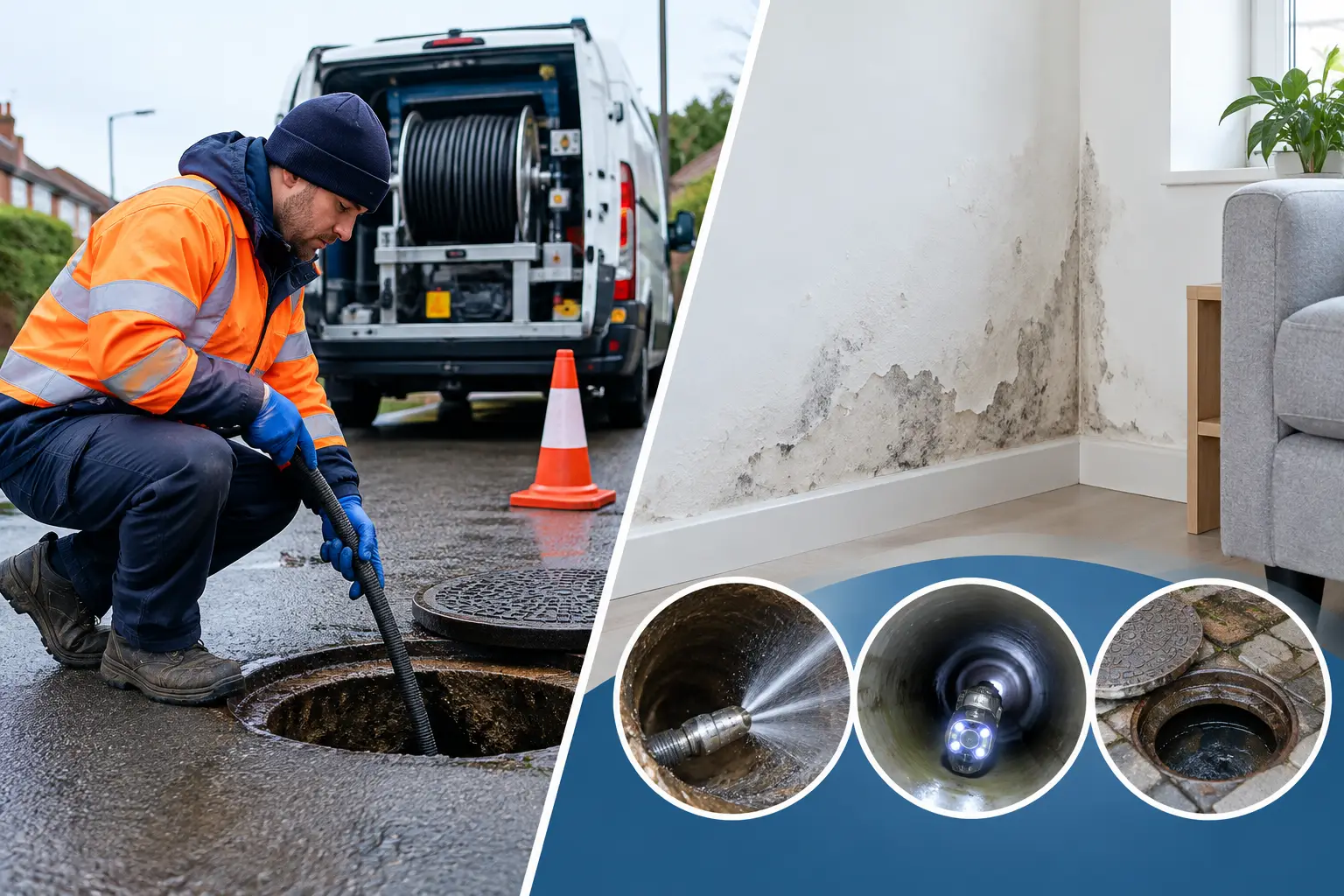
Some faults can worsen quietly. Water leaking from a cracked underground drain may wash away surrounding soil, while a partial collapse can become a complete blockage at the worst possible time. Drainage problems also create obvious hygiene risks if wastewater backs up into a toilet, sink, bath or external area.
Arrange professional help promptly if you notice sewage backing up, a drain overflowing repeatedly, strong persistent odours, unexplained damp ground, subsidence near a drainage route or several fixtures draining slowly at once. Avoid using chemical drain cleaners in a suspected damaged drain. They rarely resolve structural faults and can make the working area less safe.
If there is an active overflow or wastewater entering the property, limit water use where possible until the problem has been assessed. Keep children and pets away from contaminated water, and do not attempt to enter a manhole or underground drain yourself.
A practical approach to a lasting solution
The best drainage work starts with the right diagnosis, not an assumption. RF Drainage Experts can clear urgent blockages, use CCTV inspection to identify hidden defects and explain whether a targeted repair or replacement is the more sensible course for your property.
A sound drain should move wastewater away without repeated disruption. Acting when the first warning signs appear gives you more options and helps protect your home, tenants, customers or business premises from a much larger problem later.