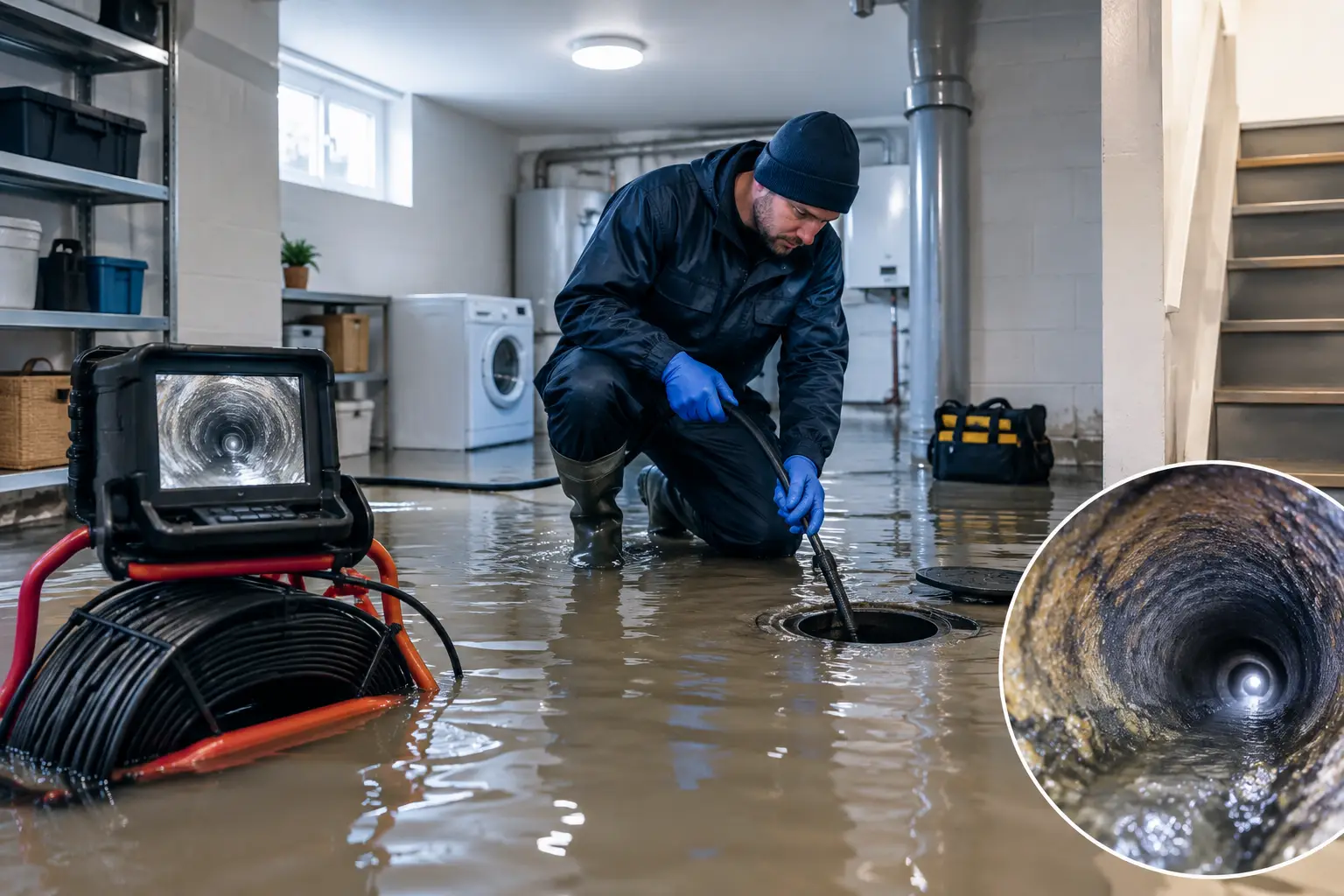
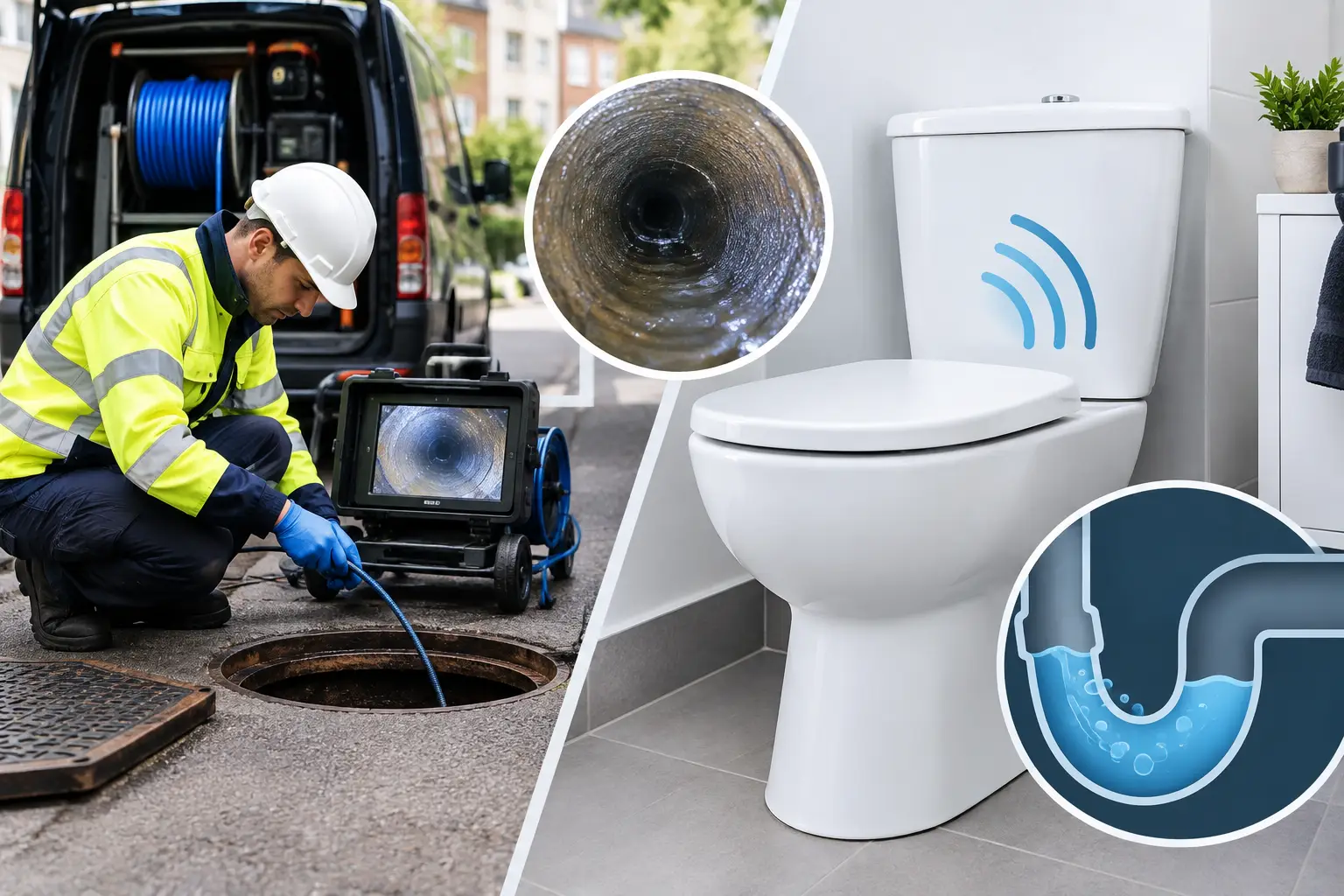
A basement should be useful space, not somewhere sewage is rising through a floor drain or backing up through a toilet. Basement sewage flooding is an urgent hygiene and property-protection issue. Acting quickly can limit damage, reduce exposure to contaminated water and help a drainage engineer identify the fault before it becomes more extensive.
Sewage water can carry harmful bacteria and other contaminants, so this is not a situation to manage by mopping alone. Keep people and pets away from the affected area, avoid using toilets, sinks, showers and appliances that drain into the same system, and arrange professional drainage assistance as soon as possible.
What to do immediately
Your first priority is safety. If sewage has reached electrical sockets, appliances, a boiler or any electrical equipment, do not enter the affected area unless it is safe to do so. Do not touch standing water while power may be present. If you can safely isolate electricity to the basement from outside the wet area, do so. Otherwise, seek appropriate electrical advice before going near it.
Take these practical steps while waiting for help:
- Stop using water throughout the property where possible. Flushing toilets or running taps may add to the backup.
- Keep children, pets and unprotected adults out of the basement. Close the door or block access if you can do this without entering contaminated water.
- Do not attempt to clear a drain by hand or use chemical drain cleaners. They can create further hazards and rarely resolve a sewer-level blockage.
- Photograph the affected area from a safe position if you need a record for your landlord, managing agent or insurer.
If the floodwater is continuing to rise, has entered occupied areas, or sewage is backing up through several fittings, treat it as an emergency. A professional drainage team can clear the obstruction, investigate the pipework and advise on the condition of the drainage system.
Why basement sewage flooding happens
Basements sit at a low point in a property, which makes them especially vulnerable when wastewater cannot flow away as it should. The immediate cause may be a blocked drain, but the underlying reason can vary considerably.
A common cause is a blockage in the private drain serving the property. Fat, wipes, sanitary products, food waste, soap residue and other unsuitable materials can collect in the pipe. As the restriction builds, wastewater has less room to pass through. It may then find the lowest available exit point, such as a basement toilet, shower, floor drain or gully.
External drains can also become blocked by leaves, silt and debris. In older parts of Greater London, drainage systems may include ageing pipework that has shifted, cracked or deteriorated over time. Tree roots can enter tiny gaps in drains and grow inside the pipe, catching waste and creating repeated blockages.
In some cases, the pipe is not simply blocked. A collapse, displaced joint or damaged section can stop wastewater from flowing properly. Heavy rainfall can make matters worse where surface water enters a drainage system already struggling with a defect or obstruction. The correct repair depends on what is actually happening underground, which is why a proper investigation matters.
A blocked drain is not always the whole problem
Clearing a blockage may restore flow straight away, but it does not always answer why sewage backed up in the first place. If the issue has happened before, if drains block repeatedly, or if there is a persistent foul smell around manholes and gullies, there may be a structural fault within the pipework.
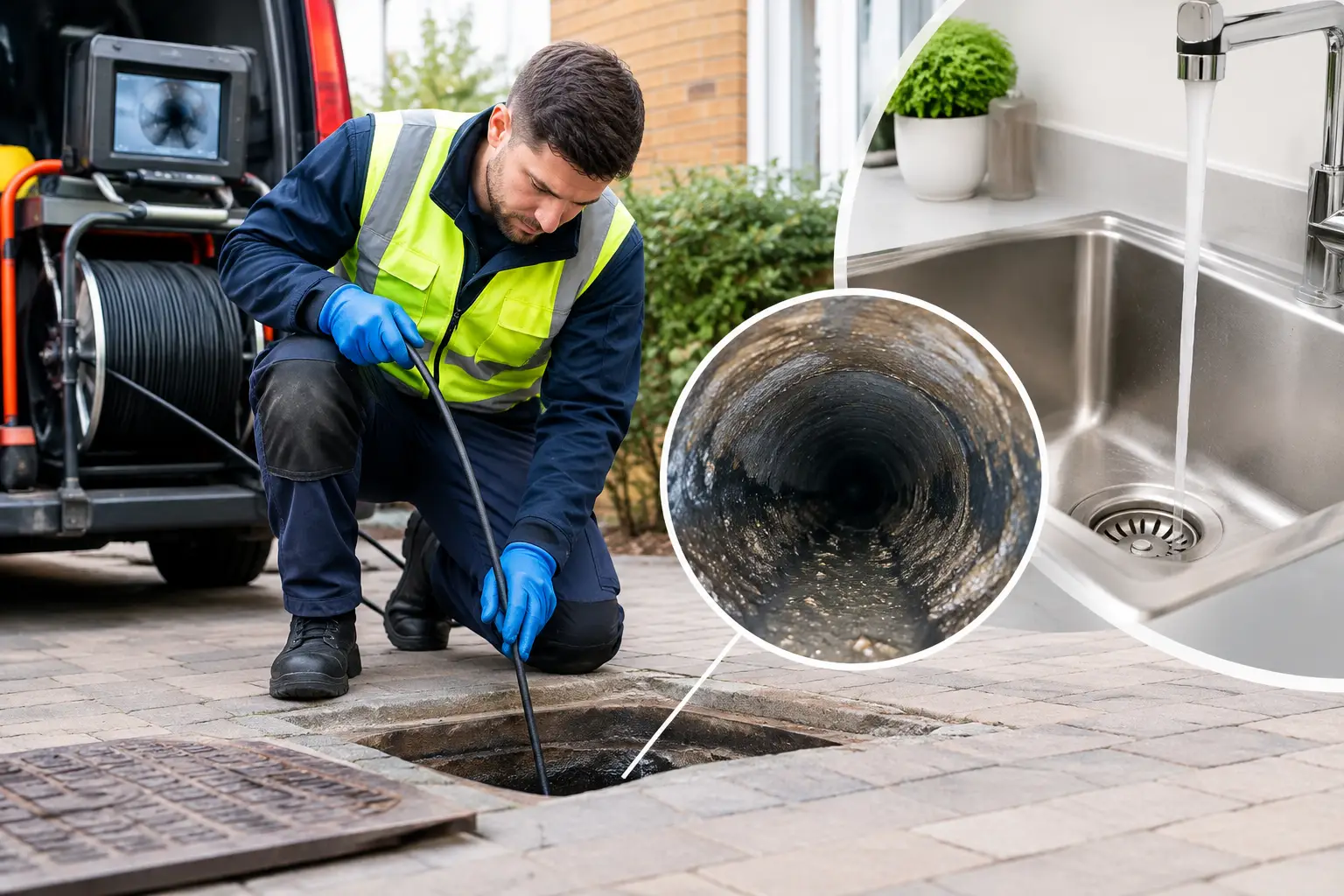
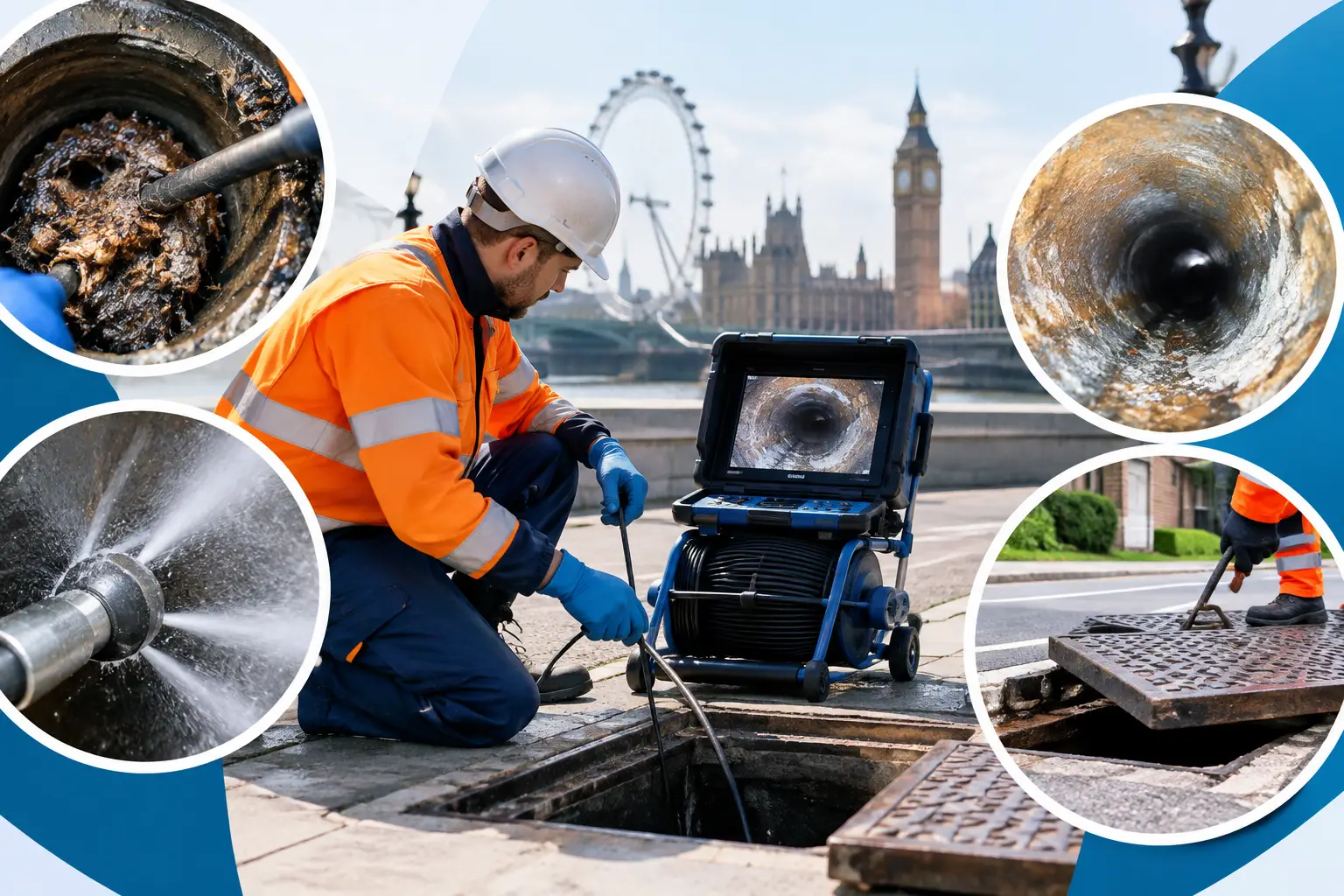
Professional drain clearance typically begins by removing the blockage with suitable equipment. Where the cause is uncertain or the problem is recurring, a CCTV drain inspection can provide a clear view inside the drain. This helps identify root intrusion, cracks, scale build-up, displaced joints, leaks and sections of pipe that may be holding waste.
That distinction can save disruption later. A simple build-up of waste may need thorough cleaning and better maintenance. A damaged drain may need a targeted repair. Treating every incident as a straightforward blockage can leave the real fault underground and allow another basement flood to occur.
How sewage flooding is professionally dealt with
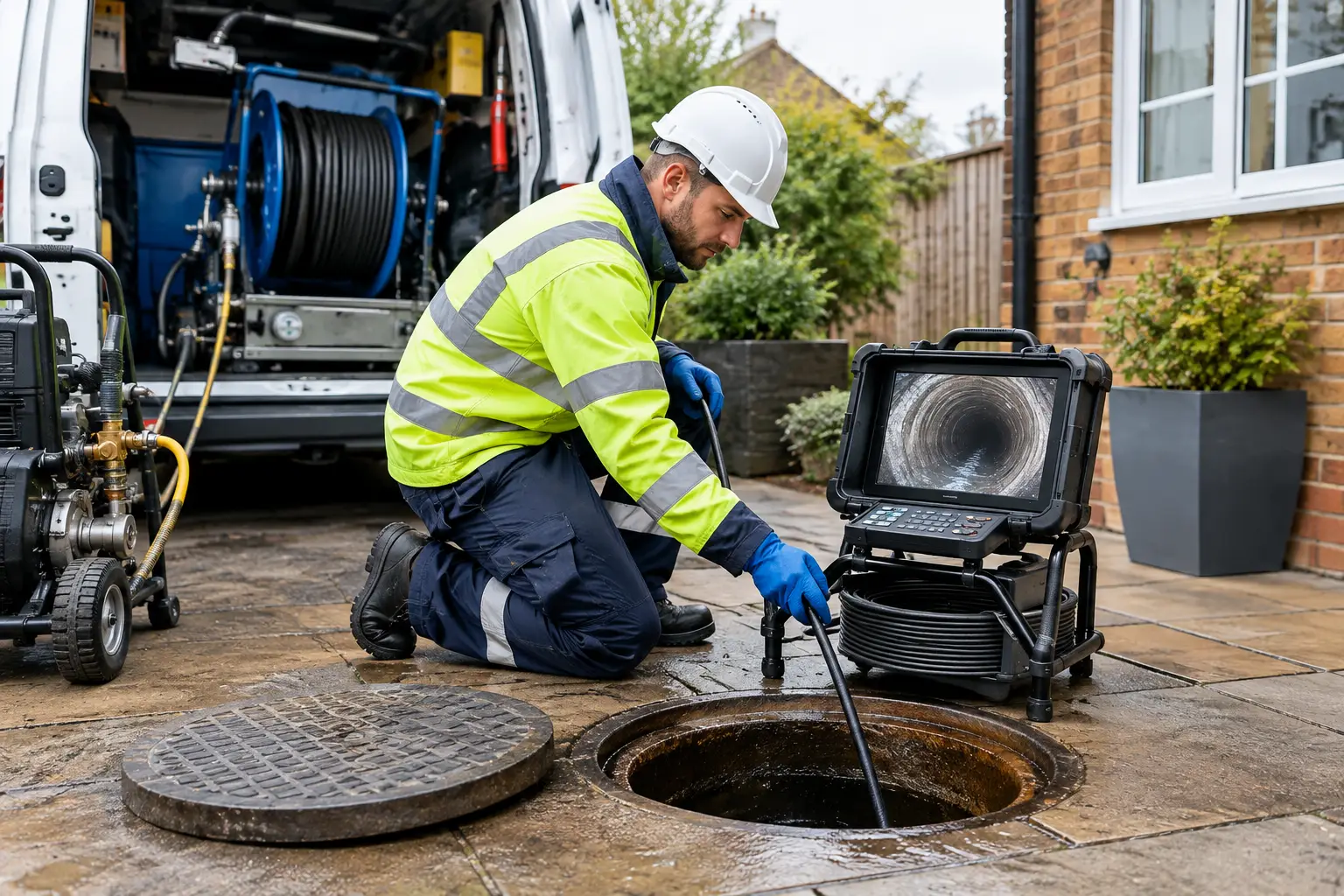
The work should be approached in stages: stop the backup, identify the cause and explain the practical next step. Drainage engineers may use high-pressure water jetting to clear internal or external drains, depending on the location and nature of the obstruction. This can remove compacted debris and restore the pipe’s capacity without guesswork.
Once the water is flowing away, inspection is often the most useful part of the job. CCTV equipment can show the condition of underground drains without unnecessary excavation. If roots are present, they can be removed as part of the clearance process, but the camera survey can also reveal whether the roots entered through a crack or failed joint that needs attention.
For a property with a basement, the drainage arrangement deserves careful consideration. Some basement bathrooms and utility areas rely on pumped drainage because their outlets sit below the level of the main sewer. If a pump or its controls fail, wastewater may not be lifted away correctly. This needs a different response from a conventional blocked gravity drain, so clear information about where the sewage first appeared is helpful when reporting the issue.
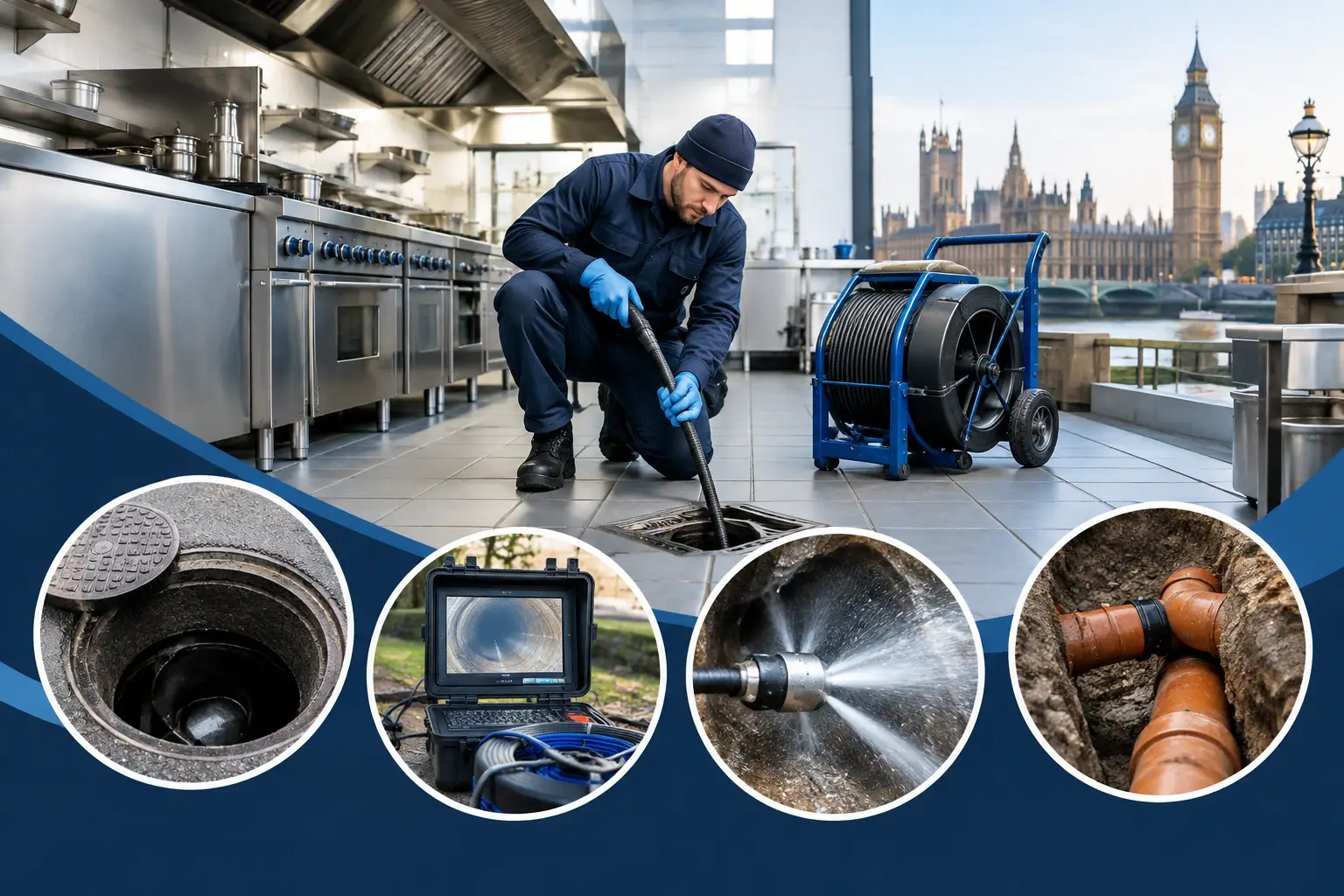
RF Drainage Experts provides emergency drain clearance, CCTV drain inspections and drainage repairs for homes and commercial premises across Greater London and nearby areas. The aim is to explain what has been found in plain terms, so you can make an informed decision about clearance, repair or preventive work.
Cleaning up after a sewage backup
The drainage fault must be resolved before meaningful clean-up can begin. Once the source has been stopped, contaminated materials need to be handled carefully. Porous items such as cardboard, rugs, soft furnishings, plasterboard or insulation may be difficult to sanitise after contact with sewage. The right course depends on how long the water was present, what it affected and the construction of the space.
Avoid using a household vacuum, fan or standard mop on sewage-contaminated water. These can spread contamination or damage equipment. Hard, non-porous surfaces can usually be cleaned and disinfected once the water has been removed, but wear suitable protective equipment and ventilate the area where it is safe to do so.
If your basement is part of a rented property, report the issue to the landlord or managing agent immediately, while still taking action to protect health and prevent further damage. For commercial premises, restrict access to the area and consider how the incident may affect staff, customers, stock and normal trading. Keeping a clear record of the event, including photographs and drainage findings, can be useful for future maintenance and insurance discussions.
Preventing basement sewage flooding
Not every incident can be predicted, particularly where sudden damage or exceptional rainfall is involved. However, regular attention to drainage can significantly reduce the chance of a preventable backup.
Start with how the property uses its drains. Toilets should only take toilet paper and human waste. Wipes, even products labelled as flushable, can contribute to blockages. Cooking fat, oil and grease should not go down kitchen sinks, where they cool and harden inside the pipe. Food scraps, coffee grounds and large amounts of cleaning residue can also cause trouble over time.
External gullies and drain covers should be kept reasonably clear of leaves and loose debris. Do not ignore slow-draining toilets, gurgling plugs, unpleasant smells or water sitting around an outside drain. These are often early signs that flow is restricted.
For landlords, facilities managers and owners of older properties, planned drain maintenance and occasional CCTV inspection can be worthwhile where there is a history of root growth, recurring blockages or previous flooding. It is not necessary for every building on the same schedule. The sensible frequency depends on the age of the drains, nearby trees, property use and any past drainage problems.
When to call for emergency help
Call for urgent drainage assistance if sewage is visible in the basement, wastewater is backing up from more than one fitting, a toilet will not flush and rises towards the rim, or external manholes are overflowing. These signs can point to a blockage beyond a single appliance and should not be left to develop.
A fast response matters, but so does a proper diagnosis once the immediate danger has passed. The most helpful outcome is not simply getting the water down for the day. It is understanding why it came up, what has been done to clear it and whether the drainage system needs further repair or monitoring.
If sewage enters your basement, stay clear of the contaminated area, stop using water where possible and get the drainage system assessed promptly. Calm, early action gives you the best chance of protecting the property and preventing a difficult situation from returning.