A sink that takes minutes to empty is more than an irritation when you are washing up or getting ready for work. It is usually an early warning that soap residue, grease, food debris or hair is building up inside the waste pipe. Knowing how to clear slow sinks safely can restore normal drainage before the water stops moving altogether – but the wrong approach can compact the blockage or damage pipework.
Start by treating the issue early. A slow kitchen sink can quickly become a fully blocked kitchen drain, while a slow bathroom basin may begin to smell as trapped hair and product residue break down in the pipe.
First, work out where the slowdown is
Before reaching for a chemical drain cleaner, check whether the problem is limited to one sink. Fill the basin part way, remove the plug and watch how the water drains. If it rises into another fitting, such as a nearby bath, or if more than one appliance is draining slowly, the blockage may be further along the internal or external drainage system.
For a single slow sink, the restriction is often in the plughole, trap or short waste pipe beneath the basin. In kitchens, congealed cooking fat and food particles are common causes. In bathrooms, hair, toothpaste, shaving foam and soap scum are more likely to be responsible.
A foul smell, gurgling sound or repeated return of the problem can point to a more stubborn blockage. These signs do not always mean a major drain fault, but they are a good reason not to keep forcing water through the system.
How to clear slow sinks safely at home
Most minor sink blockages can be dealt with using simple methods. Work through them in order, testing the sink after each step. Stop if water begins backing up, a pipe leaks or you suspect the blockage is outside the property.
Remove debris from the plughole
Put on gloves and lift out the plug or pop-up waste mechanism if it is easily removable. Hair, food scraps and a greasy film often collect immediately below the plughole, where they can be removed by hand or with a small plastic drain-cleaning tool.
Avoid pushing a sharp object down the plughole. It can damage seals, scratch the fitting and send the debris deeper into the pipe. Once visible debris has been removed, run warm water briefly to see whether the flow has improved.
Flush the waste with hot water carefully
For a kitchen sink, hot water can help soften light grease deposits. Run hot tap water for several minutes, or pour hot water through slowly in stages. Do not use boiling water if you have older plastic waste pipes or are unsure of the pipe material, as sudden high heat can stress joints and seals.
Hot water will not remove a solid plug of food waste or a heavy build-up of fat. If the water level rises rather than falls, stop flushing. Continued filling can cause an overflow beneath the sink or leave contaminated water standing in the basin.
Use a plunger correctly
A cup plunger is often effective on a partial blockage. For a kitchen sink with a second bowl, seal the other plughole with a damp cloth or stopper first. In a bathroom basin, cover the overflow opening with a wet cloth so that pressure is directed down the waste pipe rather than escaping through the overflow.
Add enough water to cover the plunger cup, create a tight seal and use firm, controlled strokes for 15 to 20 seconds. Lift the plunger and check the water flow. Two or three short attempts are usually enough to tell whether it is working. Excessive force is not helpful and may loosen ageing pipe connections.
Clean the trap if it is accessible
The U-shaped section beneath the sink, known as the trap, holds water to prevent smells from the drainage system entering the room. It is also a common place for debris to settle. If you are confident doing so, place a bucket and towels underneath, then carefully unscrew the trap fittings by hand.
Empty the contents into the bucket, remove any residue and rinse the trap before refitting it. Check that washers are seated properly and tighten the connections by hand, not with excessive force. Run water slowly at first and inspect for drips. If a fitting is corroded, cracked or difficult to remove, leave it in place and arrange professional help.
What not to pour down a slow sink
Strong chemical drain cleaners may seem like the quickest option, but they are not always the safest. They can be hazardous to handle, may damage certain pipework or seals, and can leave corrosive liquid in the system if they fail to clear the blockage. This creates a risk for anyone who later opens the trap or works on the drain.
Avoid mixing cleaning products, even if the first product appears not to have worked. Different chemicals can react dangerously. It is also best not to rely on bicarbonate of soda and vinegar for a serious blockage. The fizz may freshen a lightly dirty waste, but it rarely shifts compacted grease, hair or food waste.
Never tip cooking oil, fat, coffee grounds, wet wipes, paint, cement residue or food scraps into the sink. Grease can look harmless while warm, then cool and harden inside the pipe. A sink strainer and a separate container for cooled cooking fat are simple ways to reduce future problems.
When a slow sink needs a drainage engineer
A DIY clean is sensible for a minor, one-off restriction. It is time to call a drainage professional when the blockage keeps returning, the sink is completely blocked, or water backs up elsewhere in the property. Gurgling, unpleasant odours, leaks under the sink and slow drainage across several fixtures also need proper investigation.
For landlords and commercial premises, recurring sink problems should not be dismissed as everyday wear and tear. A staff kitchen, café wash-up area or shared bathroom can place much heavier demand on waste pipes. Repeated blockages can disrupt operations, create hygiene concerns and lead to water damage if they are left unresolved.
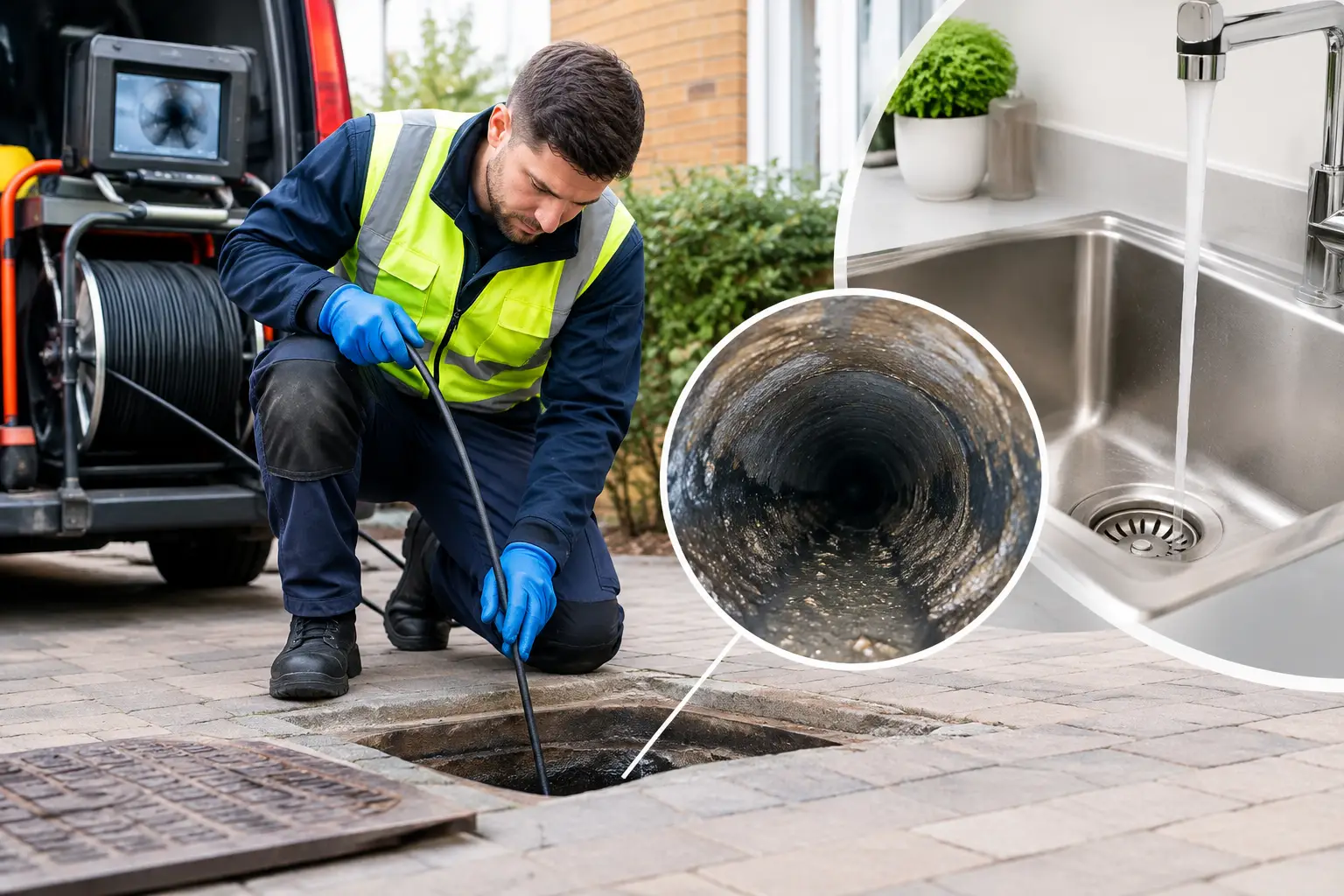
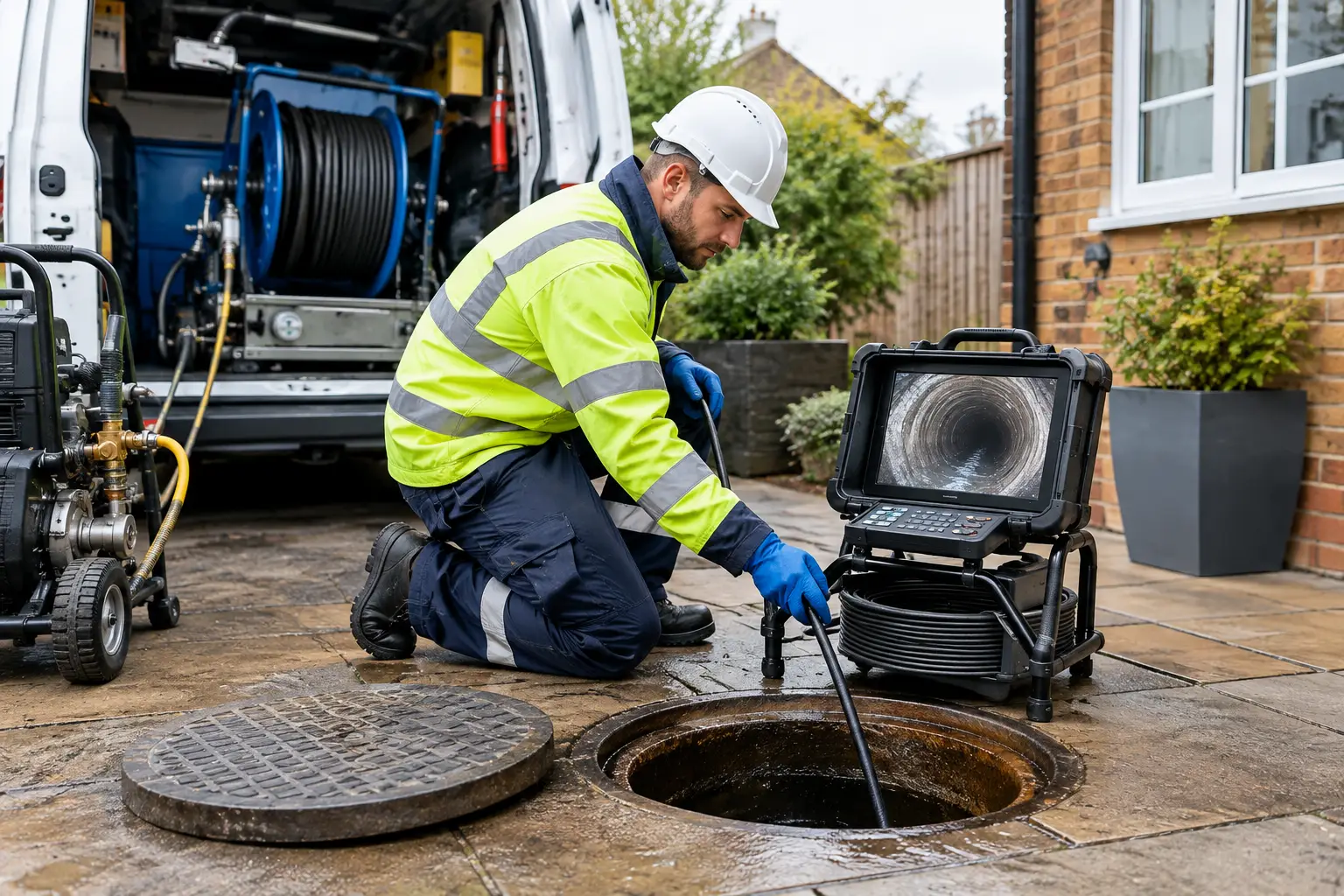
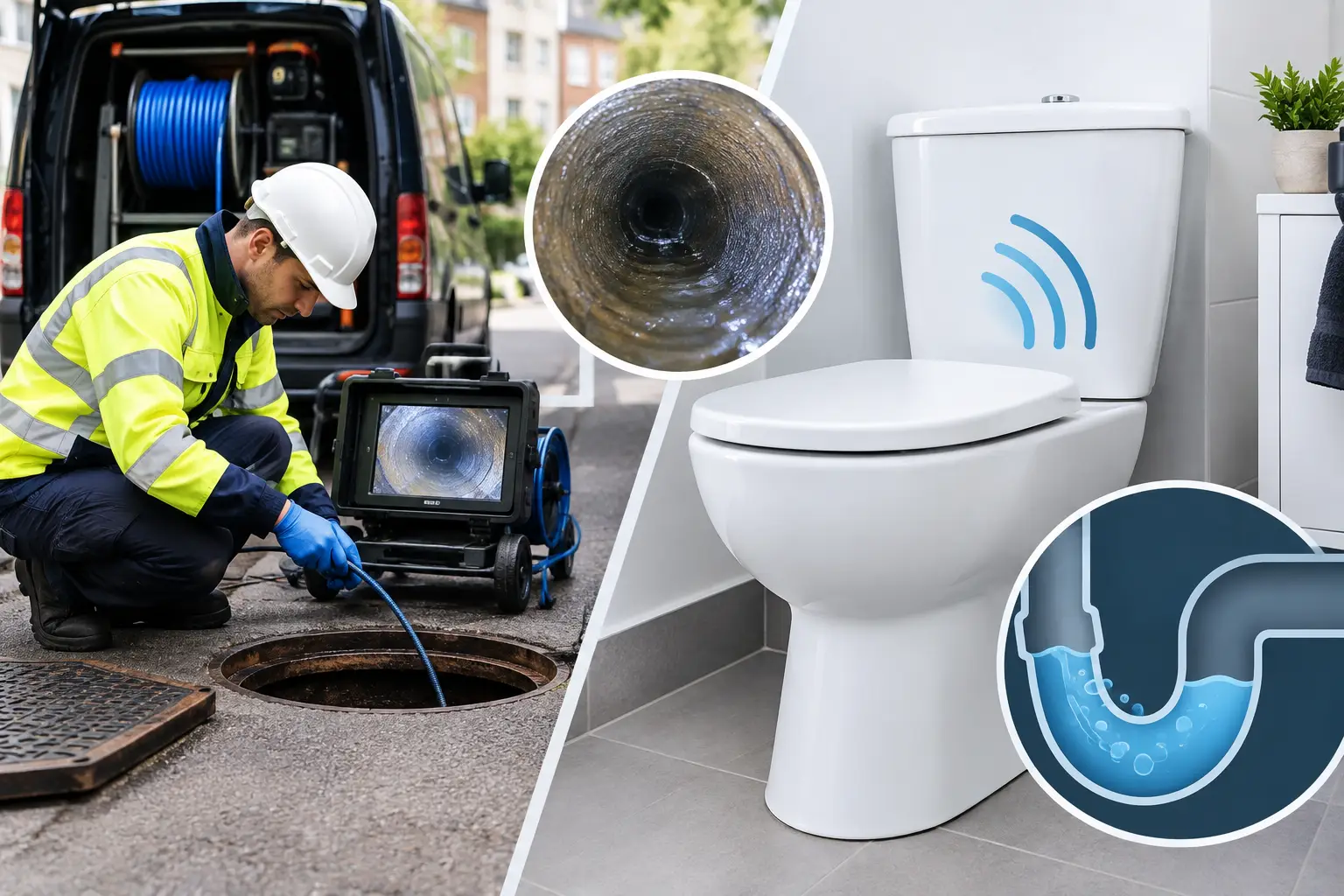
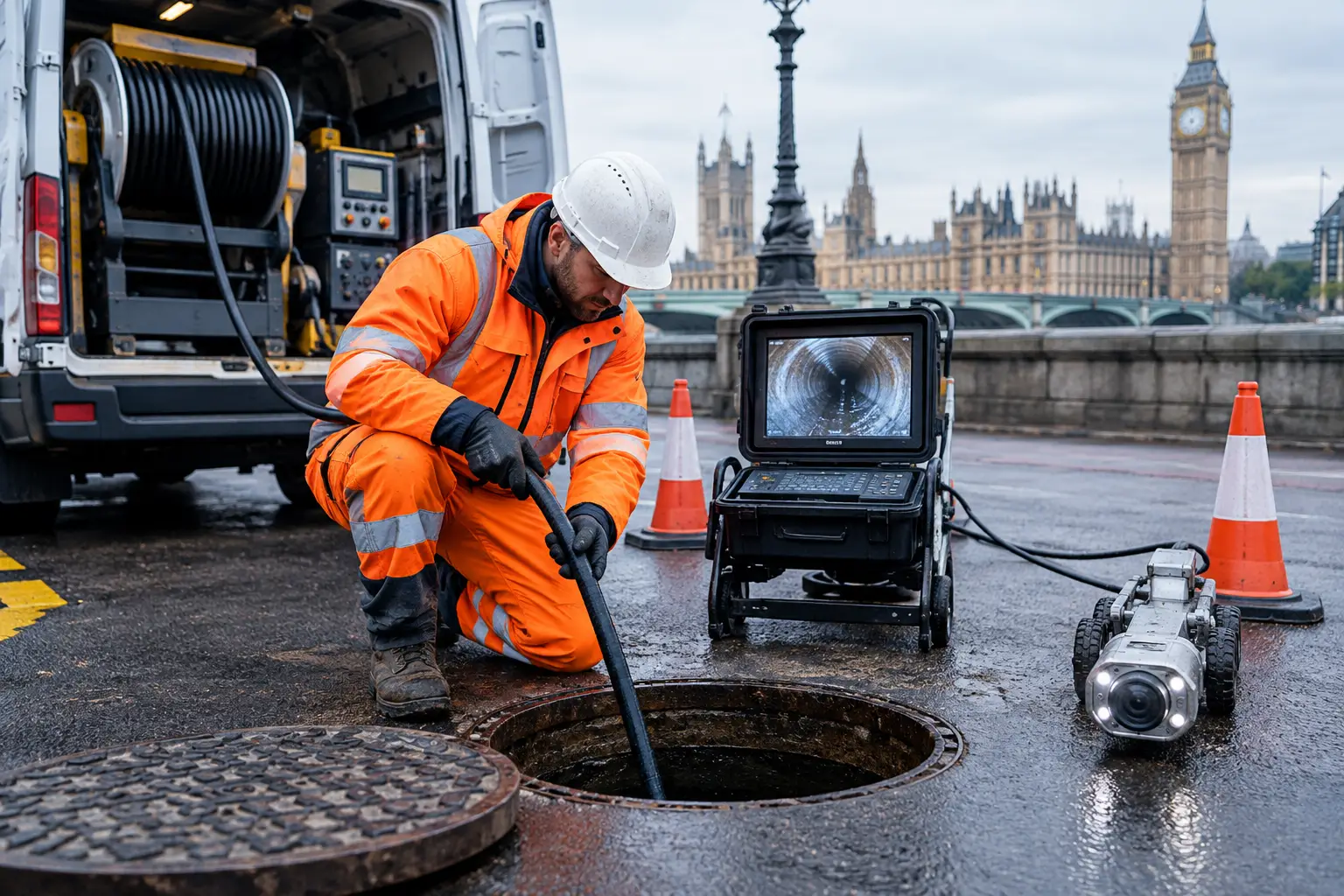
A professional drainage team can clear difficult internal blockages with suitable equipment and assess whether the issue is in the branch pipe, main drain or external drainage run. Where the cause is unclear or the problem repeatedly returns, CCTV drain inspection can identify issues such as stubborn build-up, root intrusion, cracks or structural defects without unnecessary guesswork.
RF Drainage Experts provides 24/7 emergency drain clearance across Greater London and surrounding areas for blocked sinks and wider drainage problems. A clear explanation of the cause and the work required helps you make an informed decision, particularly when a blockage may involve more than the sink waste pipe.
Keep sinks draining freely after clearance
Once the sink is draining normally, a few habits can make a noticeable difference. Clear the plughole regularly, use a strainer to catch food and hair, and wipe greasy pans with kitchen roll before washing them. Run hot tap water after washing up, but remember that water alone cannot compensate for pouring fat or scraps down the drain.
In bathrooms, remove hair from the plug after each use where possible. If several people use the same basin or shower, check the waste more often. Small, regular cleaning is far easier than dealing with a blocked sink at the worst possible time.
A slow sink is often easy to resolve when it is caught early. If the water is rising, the smell is worsening or the problem returns after cleaning, stop experimenting and get the drainage system checked before a small blockage becomes a larger disruption.