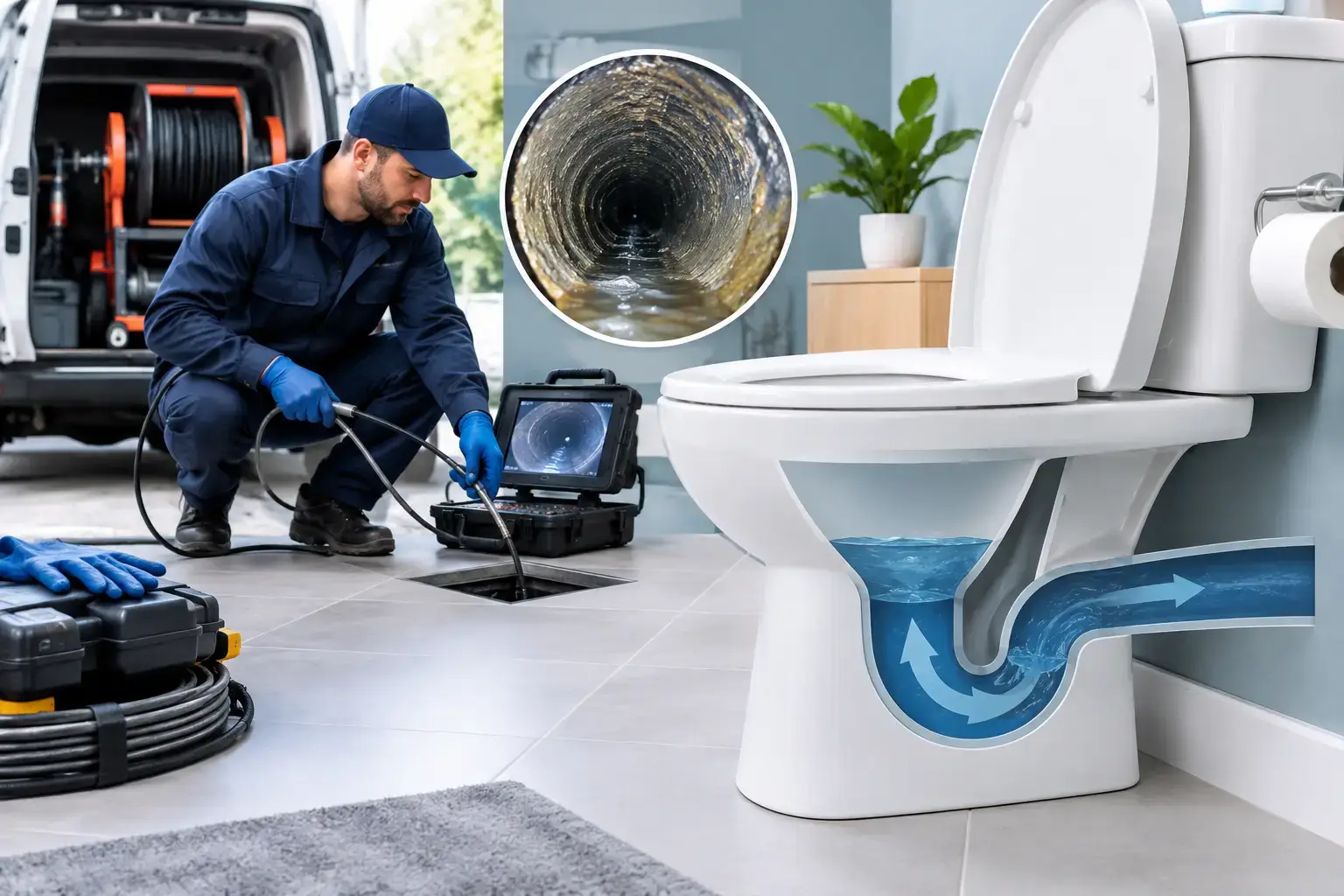
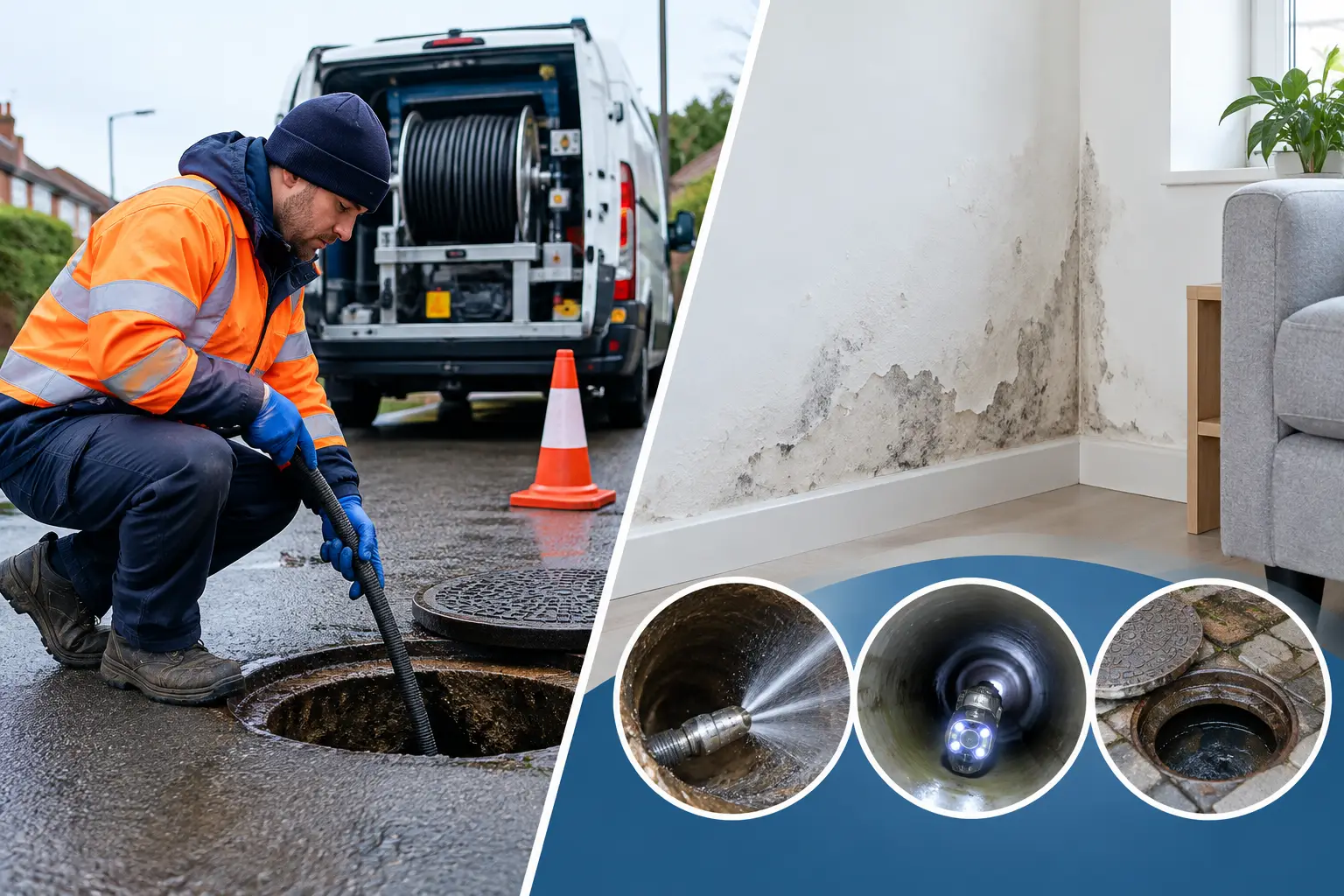
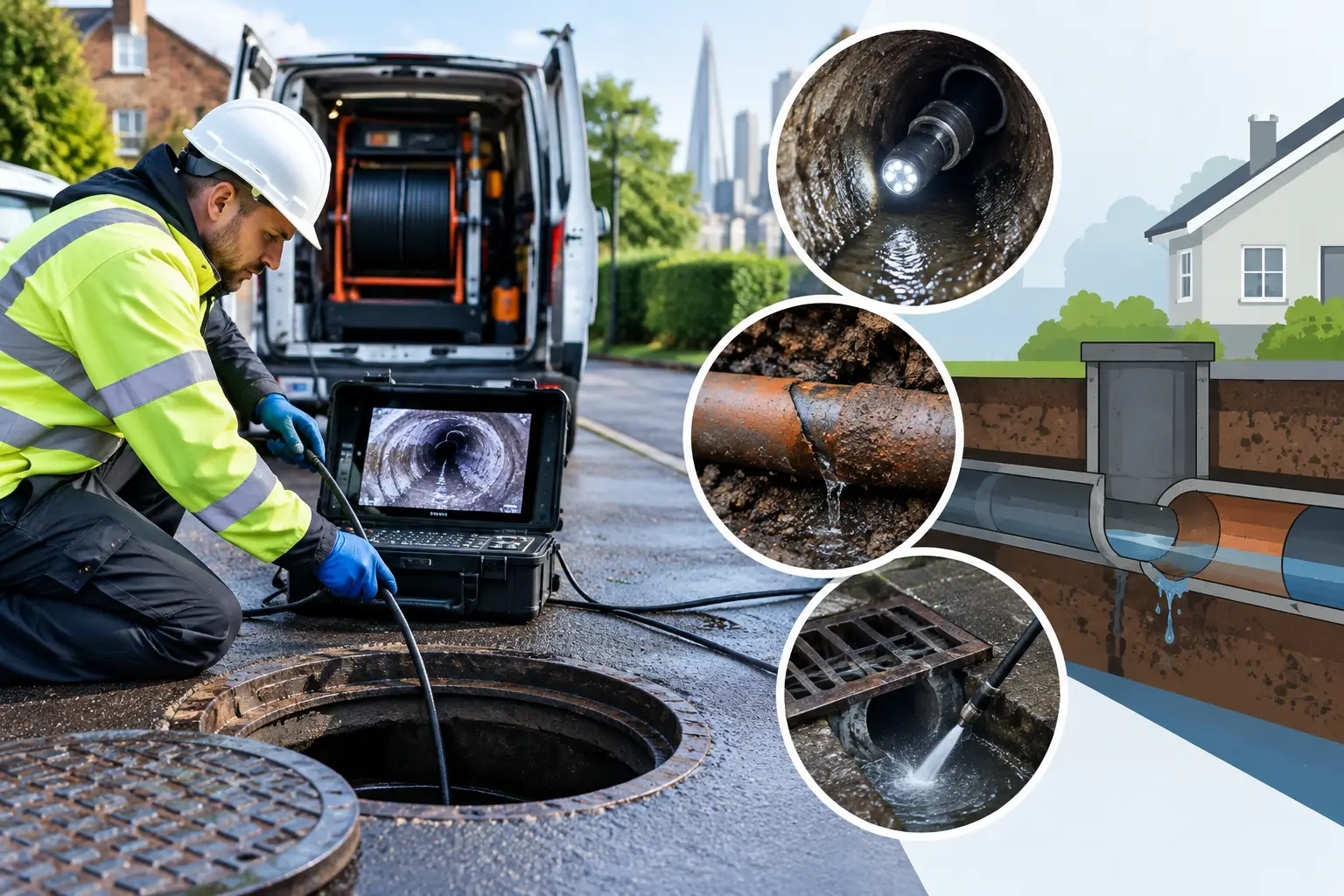
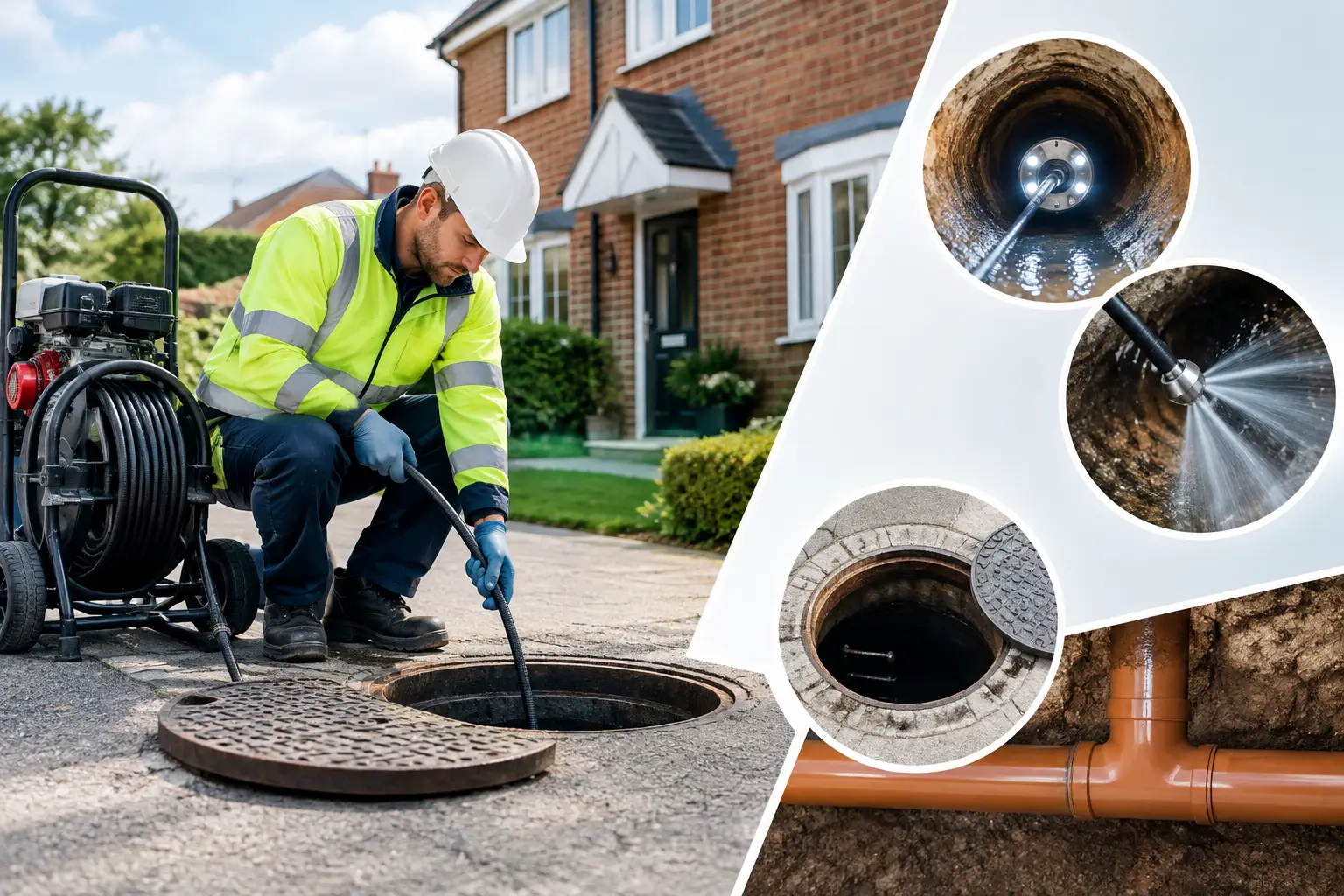
A sewage leak rarely starts with a dramatic flood. More often, it begins with a smell in the hallway, a toilet that suddenly gurgles, or a patch of ground that stays damp long after rain. Knowing how to spot sewage leaks early can protect your home or business from contamination, unpleasant odours, property damage and disruption.
Sewage should always remain inside the pipework and drains designed to carry it away. If it appears indoors, rises through a drain, or leaks into the garden or shared outdoor area, treat it as a hygiene issue rather than a problem to put off until later. Avoid using affected toilets, sinks or appliances where possible, keep people and pets away from contaminated water, and arrange a professional inspection promptly.
How to spot sewage leaks inside a property
The most obvious sign is wastewater where it should not be. This may be dark, cloudy or discoloured water backing up into a shower tray, bath, toilet, floor drain or sink. It can also appear beneath pipework, around the base of a toilet, or through flooring and walls where a concealed drain has failed.
A foul, persistent odour is another common warning sign. Drains can smell temporarily after heavy use or when a rarely used trap has dried out, but a strong sewage smell that returns after cleaning needs investigation. The smell may be most noticeable near ground-floor bathrooms, utility rooms, kitchens, cupboards, basements or external doors.
Listen for gurgling too. A toilet that bubbles when a sink empties, or a bath that makes noises when the washing machine drains, can mean air is being forced through the system because wastewater is struggling to move freely. This does not always mean there is a leak – it may be a developing blockage – but a blockage can create pressure and lead to overflow or expose an existing crack in the pipework.
Slow drainage across more than one fixture is particularly significant. One slow basin may be caused by soap residue or hair close to the plughole. However, if the toilet, shower and kitchen sink are all slow, the issue may lie further along the shared internal or external drain. If this is followed by bad smells or water backing up, stop using as much water as possible until the cause is checked.
Look for unexplained damp patches, staining, peeling paint or swollen skirting boards. These signs can have several causes, including plumbing leaks, condensation or rainwater ingress. The difference is often the location and the smell. Damp associated with a damaged foul drain may have a sewage odour and can worsen when toilets are flushed or large volumes of water are discharged.
Warning signs outside your home or premises
Outdoor drainage faults are easy to miss because much of the system runs underground. Yet the garden, driveway, yard or car park often provides clear clues.
Start with the smell. A sewage odour around a gully, manhole, soil pipe or external drain is not normal, especially in dry weather. A brief smell after a heavy downpour may occur if drainage has been overwhelmed, but recurring odours need professional attention.
Wet, soft or unusually green patches of ground can also point to a leak. Wastewater escaping from a cracked pipe can keep soil saturated and act as a fertiliser, creating a greener strip of grass or unusually fast plant growth. On paved areas, look for puddles that return without rain, damp joints, staining, or water emerging around drain covers.
A drain cover that is overflowing, sitting in standing water, or allowing wastewater to surface is an urgent sign. Do not attempt to clear a severe blockage by reaching into a drain, and do not lift a manhole cover unless it is safe and you know what you are dealing with. Sewers can contain harmful bacteria and gases. Keep the area clear and arrange an emergency drainage visit.
Cracks, movement and sinking around a driveway or path can sometimes indicate that water has been washing away soil beneath the surface. This is not proof of a sewage leak, as drainage from rainwater pipes can cause similar damage. It is, however, a good reason to have the underground drains assessed before the surface damage becomes more extensive.
Telling a sewage leak from a simple blockage
The two problems are closely linked, but they are not the same. A blockage prevents wastewater from flowing properly. A leak means wastewater is escaping from pipework, joints or a drain structure. A blocked drain may cause sewage to back up through the lowest outlet, while a damaged drain can allow waste to seep into the surrounding ground even when water still appears to drain away.
The practical difference is that clearing the blockage may restore flow, but it will not repair a cracked pipe, displaced joint, root-damaged drain or damaged connection. This is why recurring blockages, repeated smells or the same external wet patch should not be dismissed as a one-off nuisance.
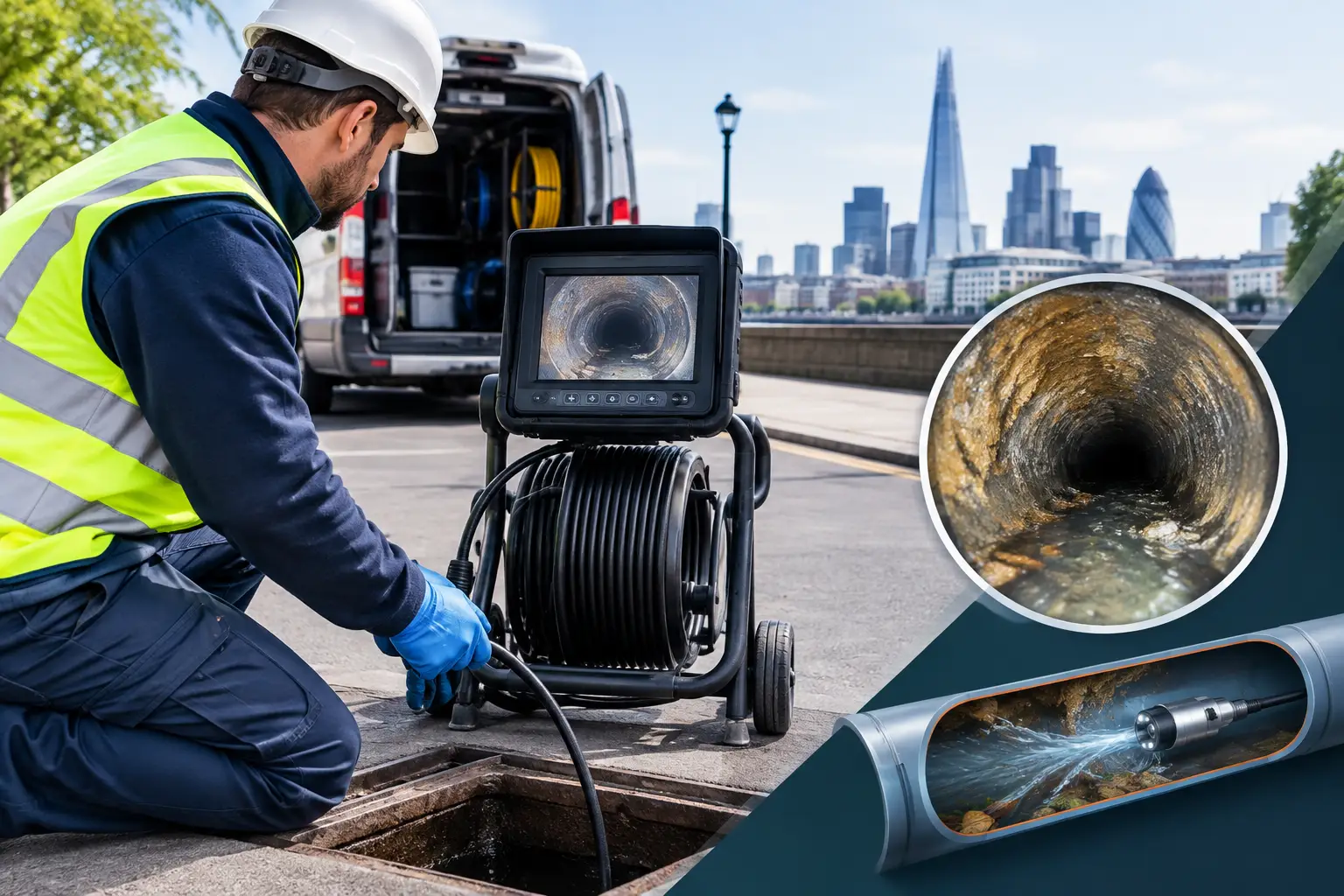
A CCTV drain inspection is often the clearest way to identify what is happening underground. A drainage camera can show where a blockage is sitting and reveal cracks, root intrusion, collapsed sections, displaced joints or other structural damage. This avoids relying on guesswork or digging up an area before there is evidence of where the fault lies.
What to do when you suspect a sewage leak
First, reduce the amount of wastewater entering the system. Avoid flushing toilets unnecessarily, running washing machines or dishwashers, taking showers, and emptying sinks into a drain that is backing up. If sewage is coming through a particular fixture, do not use that fixture at all.
Next, keep children, pets, customers and staff away from the affected area. Sewage can contain harmful organisms, and surfaces may also be slippery. If water has entered a room, avoid walking through it or moving contaminated items around the property. Ventilate the space if it is safe to do so, but do not use fans that could spread contaminated droplets.
If sewage is close to electrical sockets, appliances or wiring, do not touch electrical equipment in the area. Switch off the electricity only if you can do so safely from a dry location. For a major indoor overflow, widespread contamination or a drain that is actively surcharging, professional help should be arranged urgently.
Take a few photographs from a safe distance and note when the issue occurs. For example, does the toilet overflow after a shower, does the outdoor drain smell only after rainfall, or does the problem affect several flats or units? This information can help a drainage engineer investigate efficiently.
Do not rely on chemical drain cleaners to solve a suspected sewage leak. They may not reach the real obstruction, can be hazardous if wastewater is backing up, and will not repair structural damage. Similarly, pouring disinfectant down a drain will not fix a cracked pipe or a blocked sewer line.
Why sewage leaks need prompt investigation
Leaving a sewage leak untreated can cause more than an unpleasant smell. Damp can damage finishes, flooring and stored belongings. Persistent leaks may soften surrounding soil, contribute to subsidence around external drainage routes, and encourage mould growth in affected indoor spaces. For landlords and commercial property managers, the issue can also affect tenants, staff, visitors and normal operations.
The correct repair depends on the fault. Some issues are resolved by clearing a blockage and cleaning the drain. Others require root removal, repair to a damaged section, or further work after a CCTV survey has identified the extent of the problem. A proper diagnosis matters because a temporary improvement in drainage does not necessarily mean the underlying pipework is sound.
For homes and premises across Greater London, RF Drainage Experts can investigate suspected sewage leaks with professional drainage equipment and CCTV drain inspection where needed. Clear communication is especially valuable during an unpleasant drainage emergency: you should understand what has been found, what work is needed, and what practical steps can prevent the fault returning.
If a smell, slow drain or damp patch keeps coming back, trust the pattern. Early investigation is usually far less disruptive than waiting for wastewater to appear where it should never be.