A toilet that will not flush, a kitchen sink backing up or sewage appearing outside a rental property creates an immediate question: who is responsible for drains landlord or tenant? The answer usually depends on why the drain has failed, where the blockage sits and what the tenancy agreement says. Acting quickly matters, but so does recording the problem before assumptions turn into a dispute.
For most rented homes in England, a landlord is responsible for keeping the structure and exterior of the property in repair, including drainage and sanitary installations. However, a tenant can be liable where their actions, or those of a visitor, caused the blockage or damage. The practical priority is to stop further flooding or sewage exposure, notify the right person and get the cause properly identified.
Who is responsible for drains: landlord or tenant?
In straightforward terms, landlords are normally responsible for drains that serve the property and have become blocked or damaged through age, wear, roots, collapsed pipework, poor installation or a fault outside the tenant’s control. This can include underground pipework, external drains, gullies, soil pipes and connections serving toilets, sinks, baths and appliances.
A landlord’s repairing duties commonly arise under section 11 of the Landlord and Tenant Act 1985. This generally covers the structure and exterior of a rented home, plus installations for water, sanitation and drainage. A tenancy agreement may set out reporting arrangements and responsibilities in more detail, but it cannot simply remove a landlord’s core legal repair obligations.
Tenants are expected to use the drainage system in a reasonable way. If an investigation shows that a blockage was caused by unsuitable items being flushed or washed into the pipes, the tenant may be asked to cover the clearance or repair cost. This is not automatic: the cause should be established rather than guessed.
When is a landlord usually responsible?
The landlord will normally need to arrange and pay for drainage work where there is a defect in the pipework or a blockage with no evidence of tenant misuse. Typical examples include roots growing into an ageing drain, a cracked or collapsed section of pipe, a recurring blockage caused by incorrect pipe falls, or a shared drain affected by a fault beyond the tenant’s flat or house.
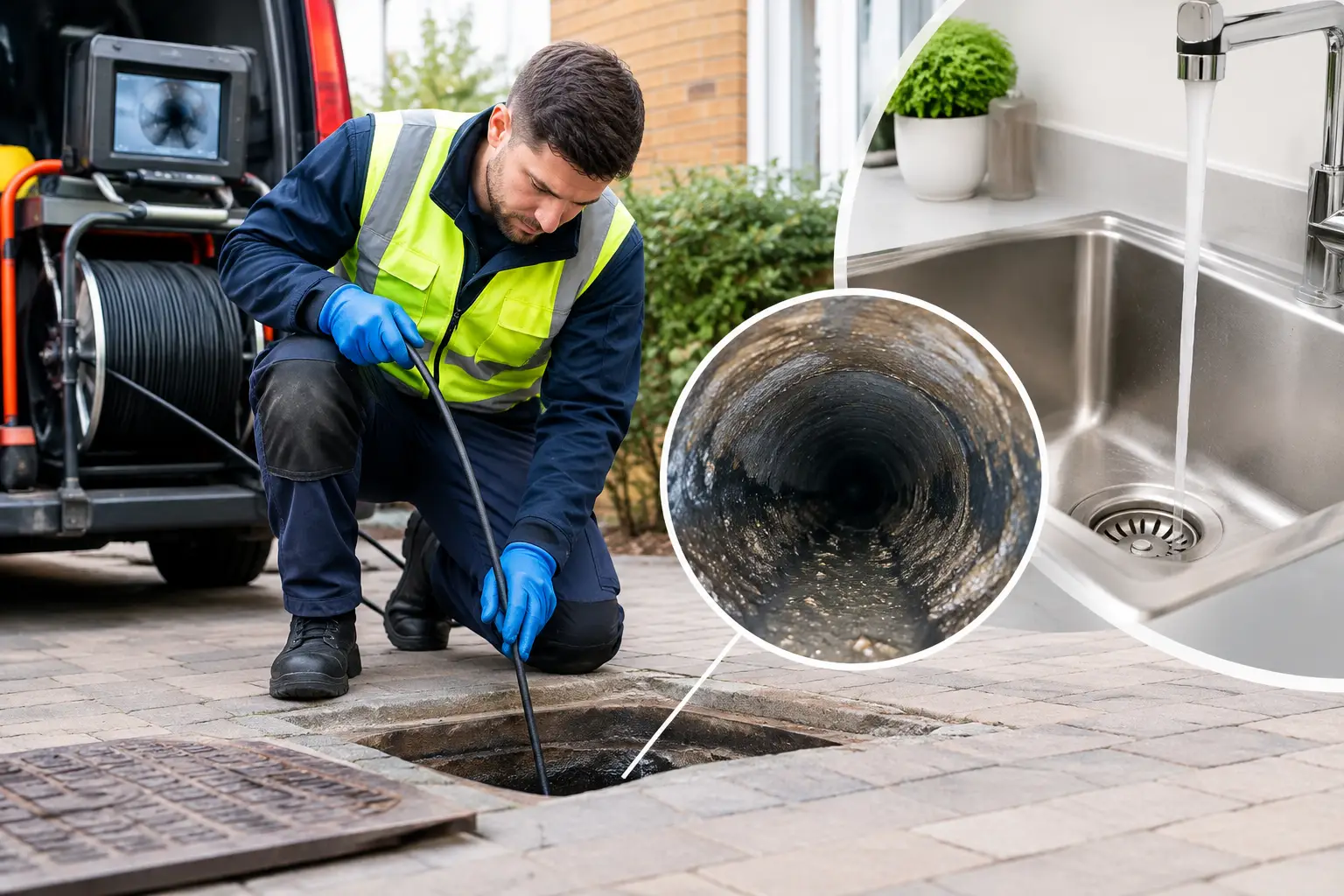
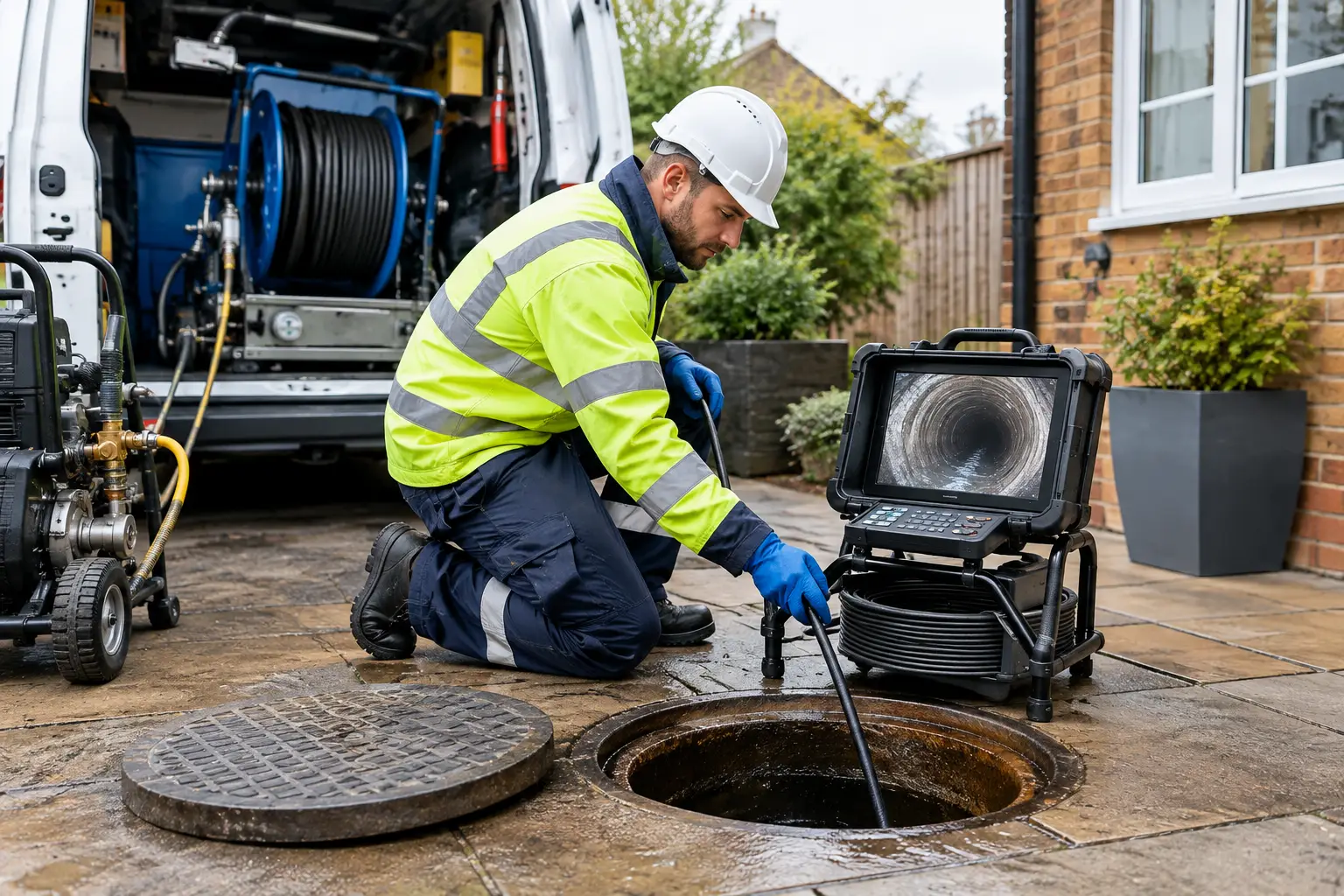
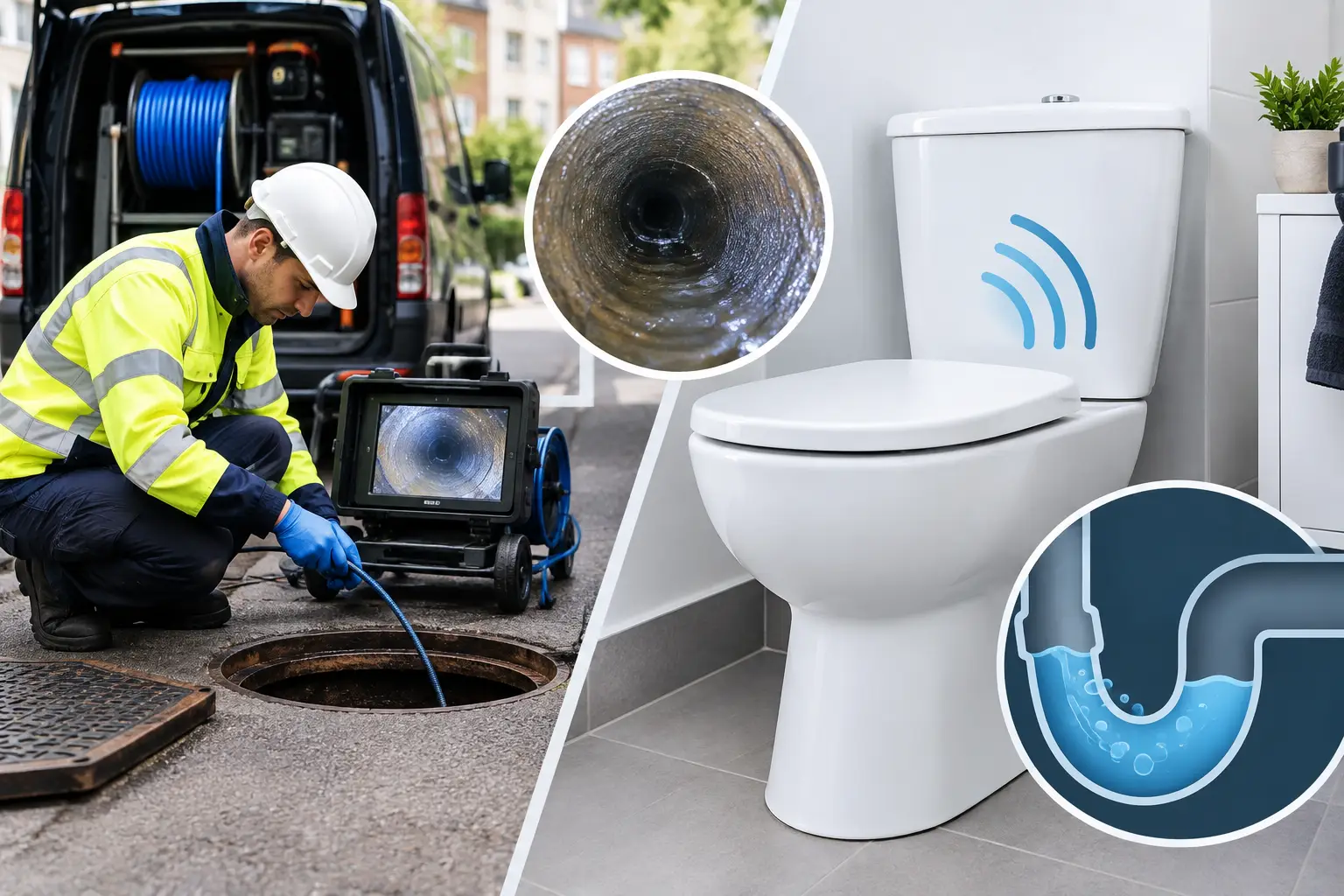
A landlord is also usually responsible when the problem relates to the property itself rather than day-to-day use. For example, a CCTV drain inspection may show displaced joints, scale build-up in old pipework, a damaged manhole or an obstruction deep within the underground drainage run. These faults need more than a plunger or chemical cleaner. Clearing the immediate blockage is useful, but the underlying defect may need repair to prevent it returning.
The landlord should be told as soon as the issue is noticed. Their responsibility to repair generally begins once they have been given notice and a reasonable opportunity to act. What is reasonable depends on the situation. Sewage backing up, an overflowing toilet or water entering the property needs urgent attention. A slowly draining basin may allow more time, although it should still be reported promptly.
When might a tenant be responsible for a blocked drain?
A tenant may be liable if they caused the blockage by using the drainage system improperly. Common causes include wipes labelled as flushable, sanitary products, cotton buds, nappies, cooking fat, food scraps, coffee grounds or excessive amounts of paper. These materials can lodge in bends, combine with grease or catch on existing defects, creating a blockage that affects the whole property.
Tenants can also be responsible for damage caused by neglect, such as repeatedly ignoring a known overflow, failing to report a leak that then worsens, or allowing unsuitable material into external drains. Visitors are relevant too. A tenant may be held accountable for damage caused by members of their household or guests.
That said, finding wipes or grease during clearance does not always settle the matter. A drain may have been partially collapsed, root-damaged or badly designed long before the blockage occurred. In that situation, a professional inspection can distinguish a one-off misuse blockage from a structural issue that has made the drain vulnerable. Clear evidence helps both landlords and tenants reach a fair outcome.
Shared drains and neighbouring properties
Drainage responsibility becomes less obvious in converted buildings, blocks of flats and terraced streets. A blocked pipe may serve more than one home, run beneath a neighbouring garden or connect to a public sewer. The person responsible is not always the person who first sees the water.
Where a drain is shared, the landlord may still be the tenant’s first point of contact, particularly if the tenancy is for a whole house or flat. In a managed block, the managing agent or freeholder may need to organise work on communal drainage. The exact arrangement will depend on the lease, building management arrangements and where the pipe runs.
Some pipes outside the boundary may be the responsibility of the local water and sewerage company, especially public sewers. Private drainage within the property boundary is more commonly the landlord’s responsibility, subject to the cause of the issue. A drainage professional can trace the line and inspect chambers and pipework, helping identify whether the fault is private, shared or part of the wider sewer network.
What tenants should do when a drain blocks
Report the problem to the landlord or letting agent in writing as soon as possible. Include the date, what is happening, which fixtures are affected and whether there is flooding, foul water or an unusable toilet. Photographs and short videos can be helpful, particularly where wastewater is overflowing.
Avoid pouring strong chemical drain cleaners into the system. They may not reach a deep blockage, can damage some pipework and create a hazard for anyone clearing the drain afterwards. Do not keep flushing an overflowing toilet or run taps into a sink that is already full. If safe to do so, stop using the affected fixture and keep children and pets away from contaminated water.
If there is an urgent health or flooding risk and the landlord cannot be reached, the tenant may need to arrange emergency drainage assistance to limit damage. Keep a record of every attempt to contact the landlord, along with invoices, reports and photographs. Whether the tenant can recover the cost will depend on the circumstances, the tenancy agreement and the cause of the blockage, so it is sensible to seek advice before withholding rent or deducting costs.
What landlords should do after being notified
A landlord should acknowledge the report, establish how urgent it is and arrange an appropriate inspection without unnecessary delay. Asking a few practical questions helps: Are multiple fixtures backing up? Is there sewage outside? Is the property still able to use a toilet? Has the issue happened before? These details indicate whether the fault is likely to be local or further down the system.
For recurring, severe or unclear blockages, CCTV drain inspection is often the sensible next step. It can reveal root ingress, broken pipes, displaced joints, trapped debris and other defects that ordinary drain clearing cannot show. A written finding gives the landlord a clearer basis for arranging repairs and discussing any potential tenant contribution.
Good communication matters. Tell the tenant when an engineer is expected, explain any temporary precautions and share the likely findings once the work is complete. If the investigation indicates misuse, provide the evidence and an itemised explanation rather than simply attributing the cost to the tenant.
Preventing drainage disputes before they start
The best time to set expectations is at the start of a tenancy. Landlords can provide simple guidance on what should not be flushed or poured down sinks, explain how to report faults and make sure tenants know where external gullies and manholes are located. Tenants can protect themselves by reporting slow drainage, unusual smells and repeated gurgling early, before a minor restriction becomes an emergency.
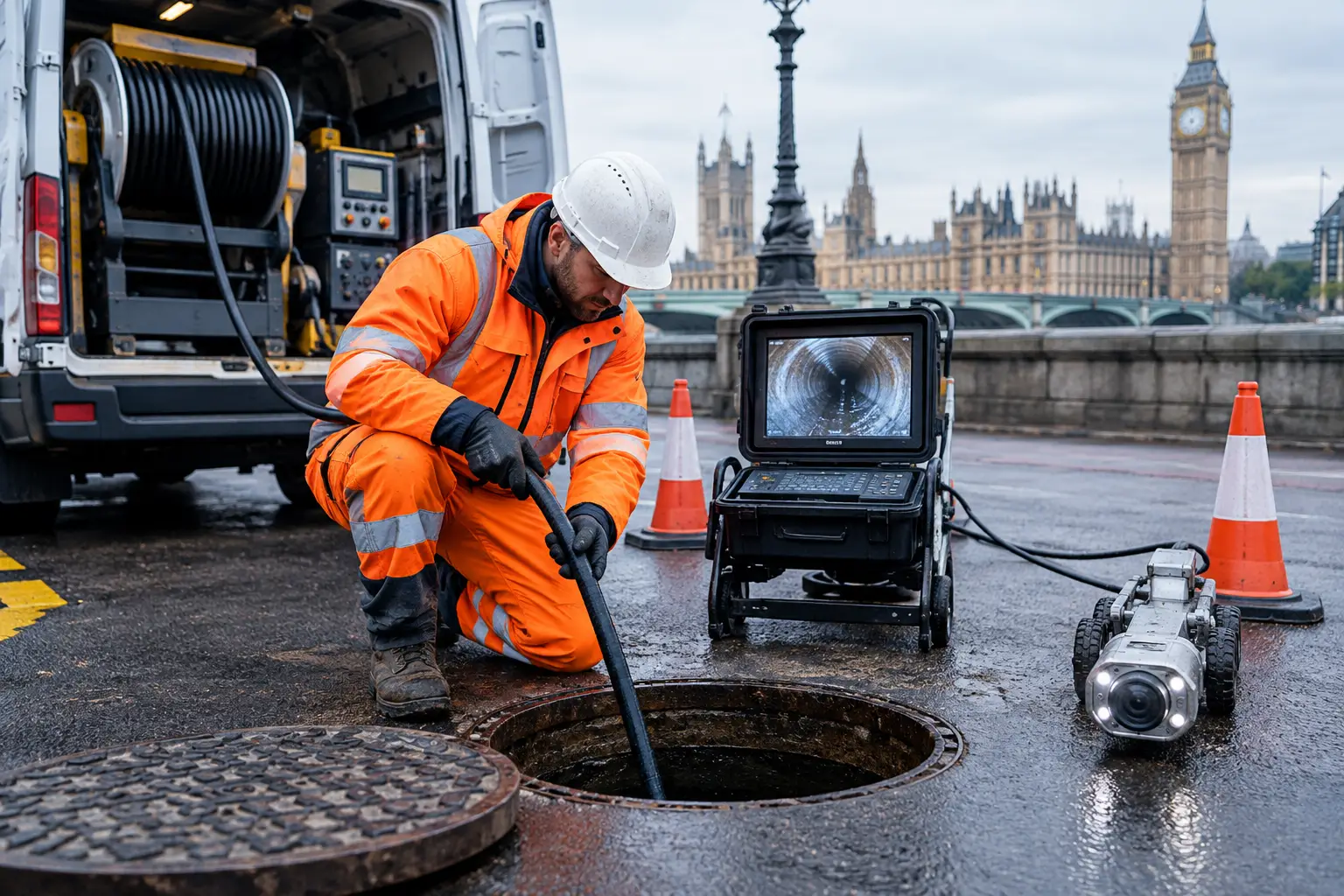
For rental properties with a history of drainage issues, scheduled cleaning or inspection may be worthwhile. Older London properties can have complicated pipe runs, mature tree roots and shared connections that make recurring faults more likely. Early investigation is usually less disruptive than waiting for wastewater to back up through the lowest point in the property.
When responsibility is unclear, focus first on evidence and safety, not blame. RF Drainage Experts can clear blocked internal and external drains, inspect pipework with CCTV and explain the cause in plain language, helping landlords and tenants take the right next step.