A drain that keeps backing up is rarely just an inconvenience. If toilets gurgle when the washing machine empties, foul water appears outside, or several fixtures drain slowly at once, the problem may sit in the main sewer line. A professional sewer repair service identifies what has failed below ground and deals with the cause before it becomes a more disruptive, unhygienic and costly issue.
For homeowners, landlords and businesses, speed matters. Sewage leaks and repeated blockages can affect daily life, damage floors and external areas, create unpleasant odours, and interrupt trading. The right response is not always a full excavation. A proper investigation establishes whether the pipe needs cleaning, a targeted repair or more extensive work.
Signs You May Need a Sewer Repair Service
A single slow sink can be caused by a local blockage in the waste pipe. When the issue affects more than one part of the property, it is more likely that the fault is further along the drainage system.
Warning signs include toilets that rise or bubble after flushing, water backing up through a shower or bath, and drains that block again shortly after being cleared. Outside, look out for overflowing manholes, standing water around gullies, sewage smells near the property, or wet patches that do not have an obvious explanation.
Cracks or movement in paving can sometimes point to drainage trouble beneath the surface. In older properties, settlement, ageing pipework and displaced joints are more common. Mature trees can also cause problems when roots find their way into tiny openings in a pipe and gradually restrict the flow.
Do not ignore a drain that has needed repeated call-outs. Clearing the blockage may restore use in the short term, but recurring faults often indicate a damaged, poorly aligned or root-affected section of pipe. Finding that section is what allows a lasting repair to be planned.
What Causes Sewer Damage?
Sewers work out of sight, so faults can develop for some time before they become obvious. The cause affects both the repair method and the likely level of disruption.
Tree root intrusion is a frequent issue around gardens, driveways and established landscaped areas. Roots are attracted to moisture and can enter through joints or small cracks. Once inside, they trap paper, grease and other debris until wastewater can no longer flow freely.
Ground movement may crack pipes, pull joints apart or create a low point where waste collects. This can happen gradually, particularly with older clay drainage runs. Heavy vehicles over shallow drains, building work nearby and changes to ground conditions can also contribute.
Some damage is caused by what enters the system. Wet wipes, sanitary products, cooking fat, food waste and excessive paper can form stubborn blockages. These materials may expose a weakness that was already present, or cause pressure that leads wastewater to escape through a damaged joint.
It also depends on which part of the drainage system is affected. A pipe serving only your property is different from a shared or public sewer, and responsibility can vary. A drainage professional can explain what the inspection shows and help you understand the practical next step.
Why CCTV Drain Inspection Comes First
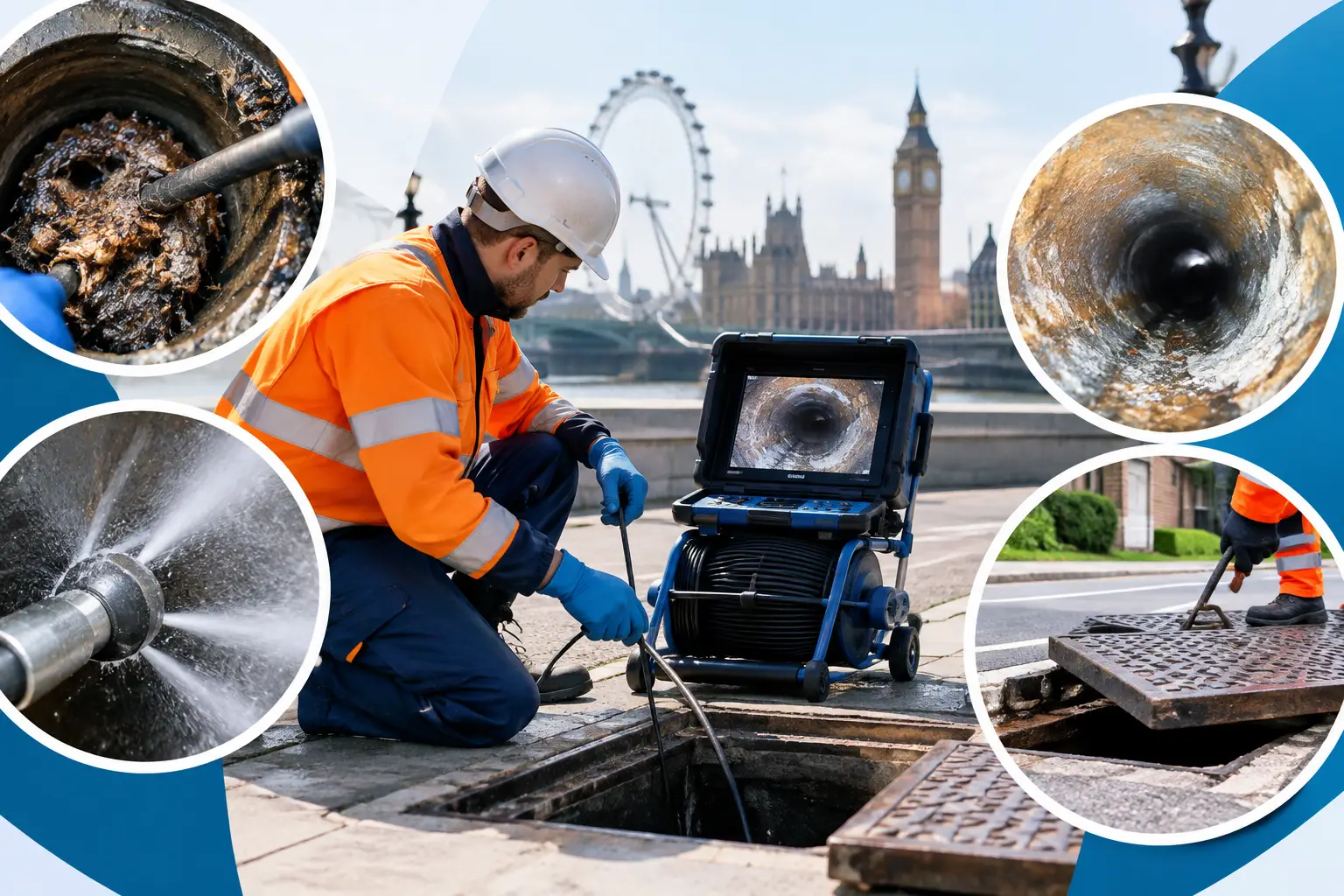
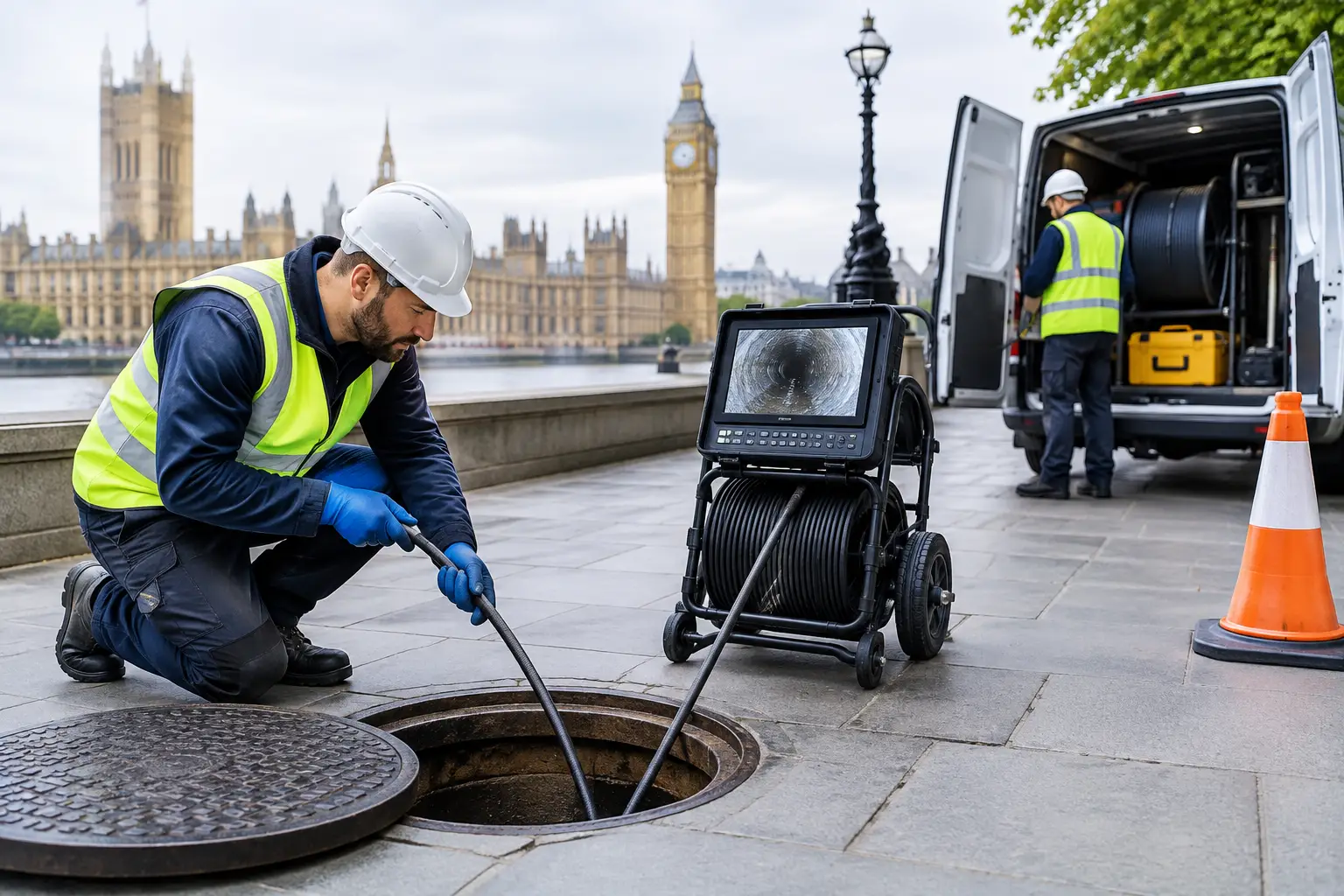
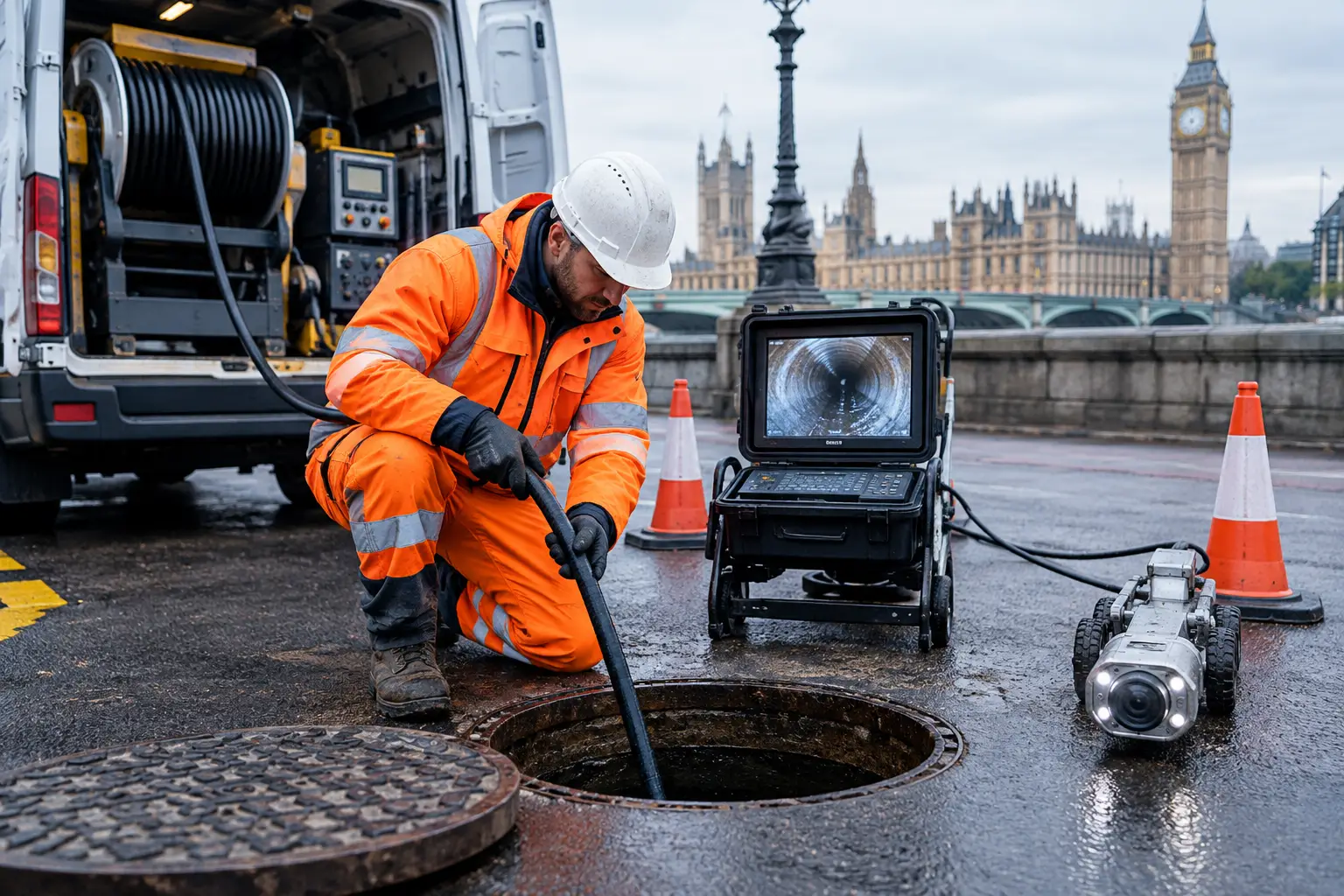
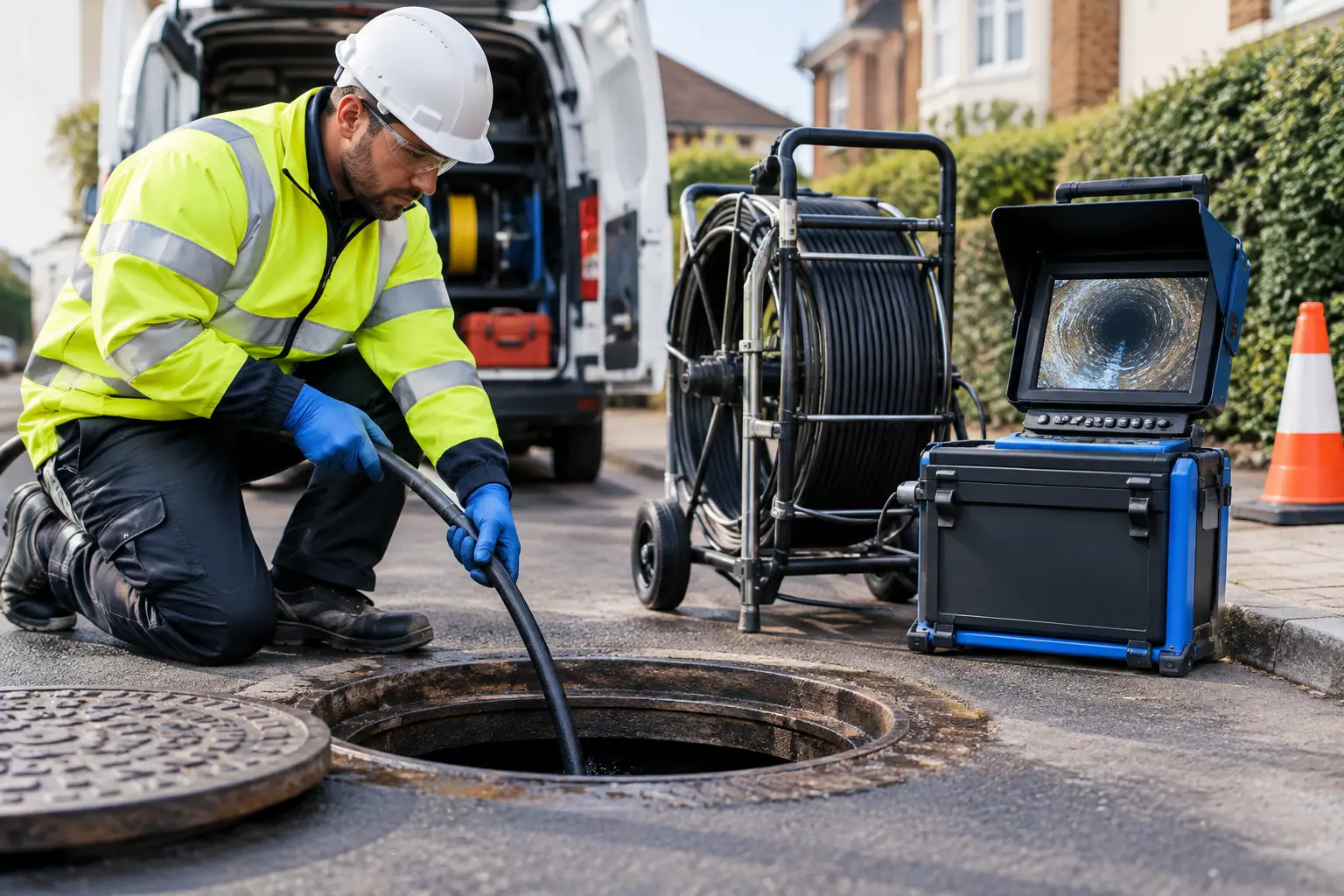
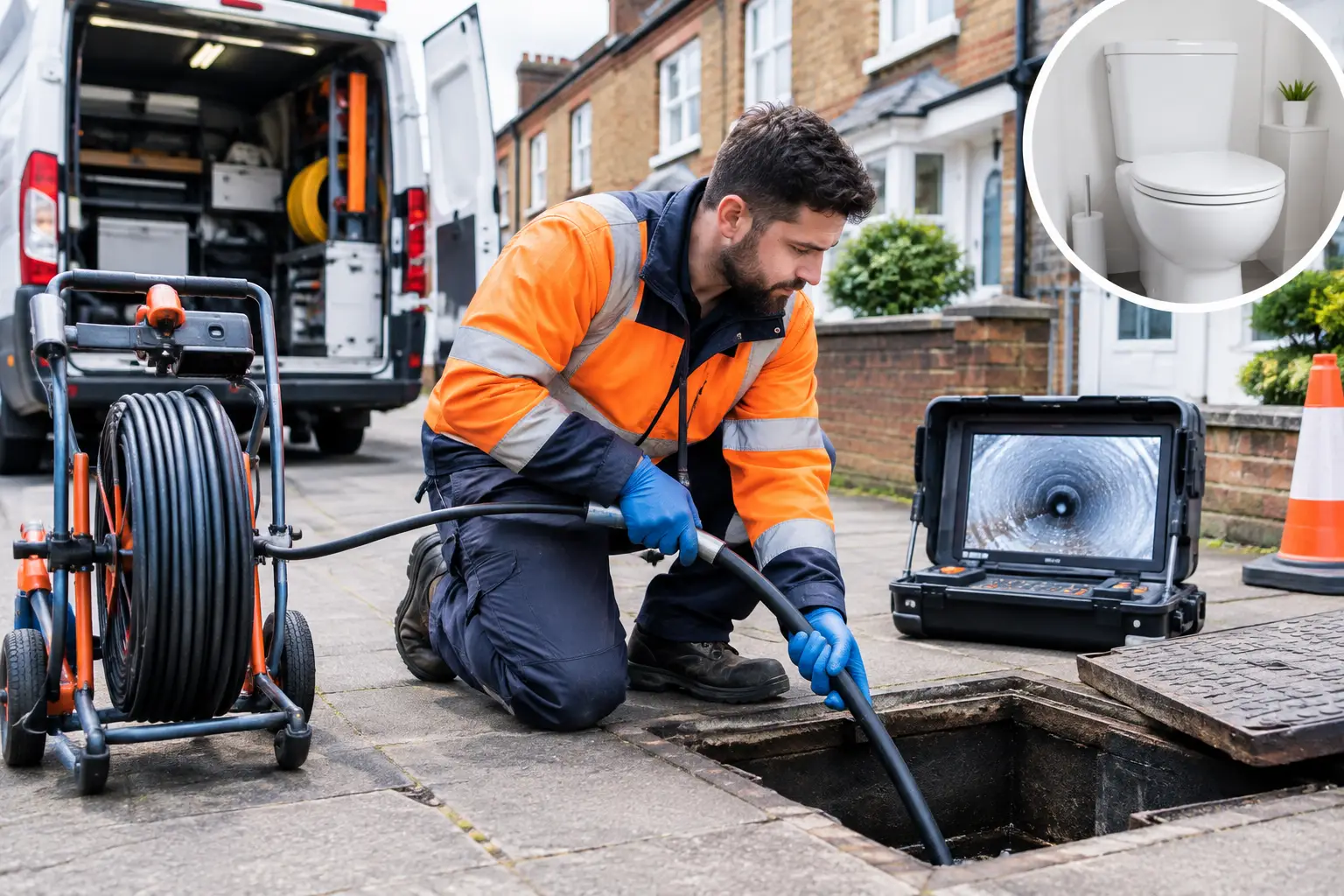
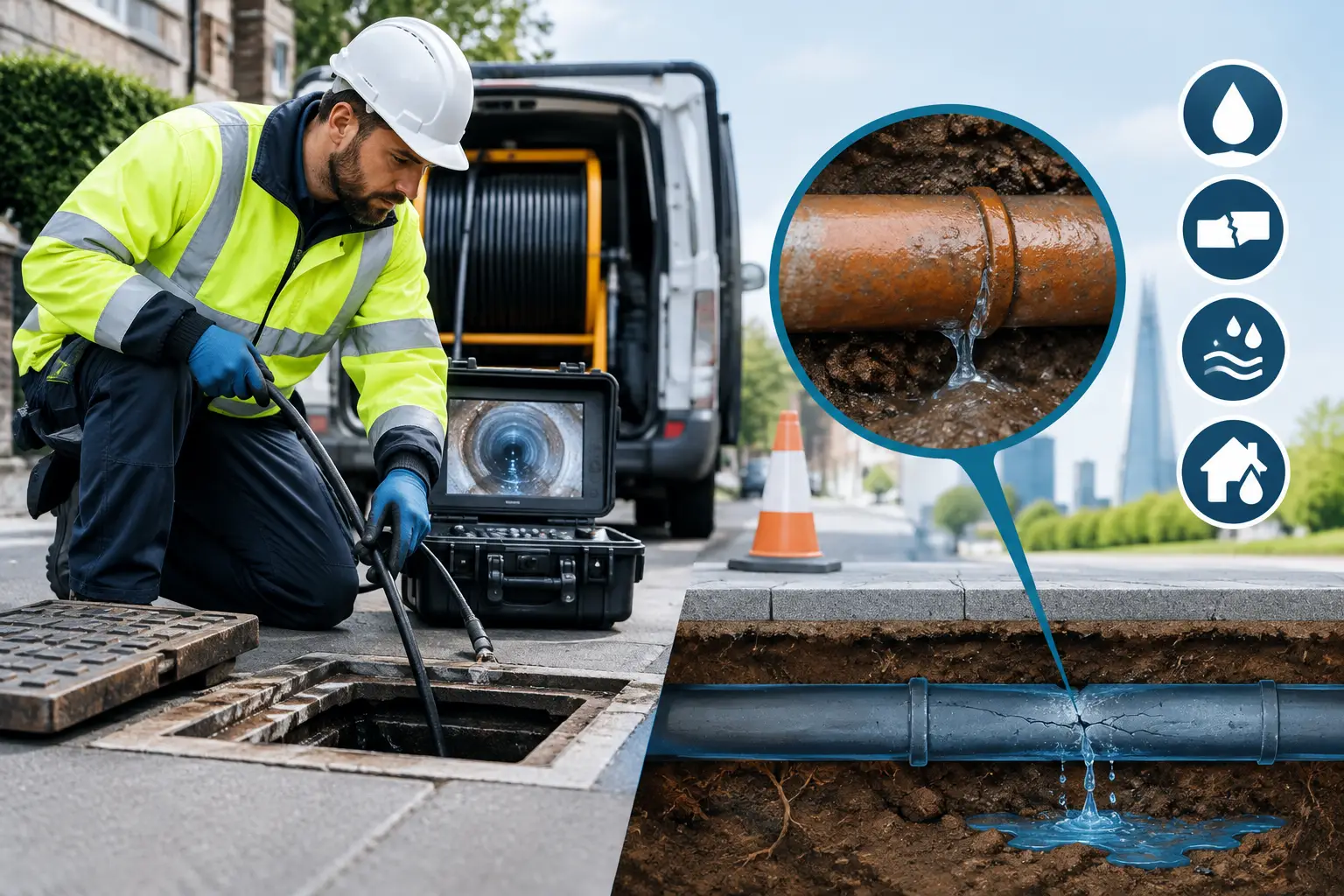
Digging without knowing the precise cause risks unnecessary disruption. CCTV drain inspection allows a specialist camera to travel through accessible pipework and provide a clear view of its internal condition.
The survey can reveal a collapsed section, crack, displaced joint, root growth, scale build-up, debris, poor installation or a foreign object lodged in the drain. It can also show the depth and position of the issue, helping the drainage team decide whether the line can be repaired internally or requires excavation.
This approach is particularly useful where a blockage has been cleared but keeps returning. Rather than treating each recurrence as a separate problem, the camera inspection can identify the underlying defect. For landlords and facilities managers, it also provides clearer information when planning repairs around tenants, customers or site operations.
A CCTV survey is not always needed for a straightforward one-off blockage. However, where there is sewage backing up, visible ground problems, repeat blockages or concern about damaged pipework, it is usually the sensible place to start.
Repair Options Depend on the Condition of the Pipe
Once the issue has been located, the repair should match the extent of the damage. Cleaning alone may be enough where roots, grease or debris are blocking an otherwise sound pipe. High-pressure water jetting can remove the obstruction and restore flow, while root cutting may be needed where growth has entered the line.
If the pipe has minor cracks, leaking joints or localised damage, an internal repair may be possible. This can reduce the need to lift paving or excavate a garden, depending on the pipe’s condition and access. It is not suitable for every fault, particularly where the pipe has collapsed, is badly misshapen or has significant sections missing.
For more serious structural damage, excavation and replacement of the affected section may be necessary. Although this is more involved, it can be the most dependable solution when a sewer has collapsed or has been damaged beyond repair. A professional team should explain what has been found, which option is appropriate and what work is required before proceeding.
Commercial sites may need additional planning. Restaurants, offices, shops and managed buildings cannot always close access routes or interrupt facilities for long. The repair method, site access and timing should be considered carefully to limit disruption while resolving the drainage fault properly.
What to Do While You Wait for Help
If sewage is backing up inside or outside the property, stop using toilets, showers, sinks, washing machines and dishwashers where possible. Continuing to send water into the system can make the overflow worse.
Keep children, pets and customers away from contaminated water. Avoid trying to clear a suspected sewer blockage with chemical drain cleaners, especially if the drain is overflowing. They are unlikely to resolve a deep blockage or structural fault and may create an additional hazard for anyone working on the system.
If it is safe to do so, make a note of what happened first and which fixtures are affected. For example, tell the drainage engineer whether the toilet backed up after a shower was used, whether an external manhole overflowed, or whether the issue has occurred before. These details can help speed up diagnosis.
For urgent sewage, flooding or complete drainage failure, arrange emergency assistance rather than waiting to see if the problem settles. Early action can reduce the chance of wastewater reaching internal rooms or spreading across external areas.
Preventing Repeat Sewer Problems
Not every sewer fault can be prevented, especially where ageing pipework or ground movement is involved. Good habits still make a difference. Keep wipes, sanitary items, cotton buds, nappies and cooking fats out of toilets and sinks. Use strainers where appropriate, and deal with slow drainage before it progresses to a full blockage.
Properties with a history of root intrusion or recurring blockages may benefit from planned inspection and maintenance. This is especially useful for landlords managing several properties and businesses that rely on working kitchens, customer toilets or staff facilities. The goal is not to carry out work for its own sake, but to spot developing problems before they force an emergency closure or cause damage.
RF Drainage Experts provides 24/7 drainage support across Greater London and nearby areas, using CCTV inspection and professional drainage equipment to investigate sewer faults clearly. If your drains are repeatedly blocking or sewage is backing up, acting early gives you more repair options and a cleaner route back to normal use.