A toilet that will not flush properly can turn from a minor inconvenience into an overflowing hygiene problem in minutes. Knowing how to unblock a toilet safely helps you protect your bathroom, avoid damaging the pipework and recognise when the problem is likely to be deeper in the drainage system.
The first rule is simple: do not keep flushing. Each flush adds more water to the bowl and can cause sewage-contaminated water to spill onto the floor. Pause, assess the water level and use the safest method for the type of blockage you are dealing with.
Before you try to unblock a toilet safely
Put on rubber gloves and open a window if possible. Keep children and pets away from the bathroom, and place old towels around the base of the toilet in case water escapes. If the bowl is close to overflowing, remove some water with a disposable container or bucket before attempting to clear it. Do not use that container for food or drink afterwards.
Avoid mixing cleaning products or pouring several chemicals into the toilet. Chemical drain cleaners can splash back, create harmful fumes and damage older pipework or seals. They may also make the situation less safe for a drainage engineer who has to work on the blockage later.
If wastewater is already coming up through the toilet, bath, shower or sink, do not attempt a DIY repair. This can indicate a blockage in the shared soil pipe, external drain or sewer line rather than the toilet itself.
Start with the right toilet plunger
For most straightforward toilet blockages, a proper toilet plunger is the safest and most effective first tool. Use a flange plunger, which has an extended rubber section designed to fit the toilet outlet. A flat sink plunger will not create the same seal.
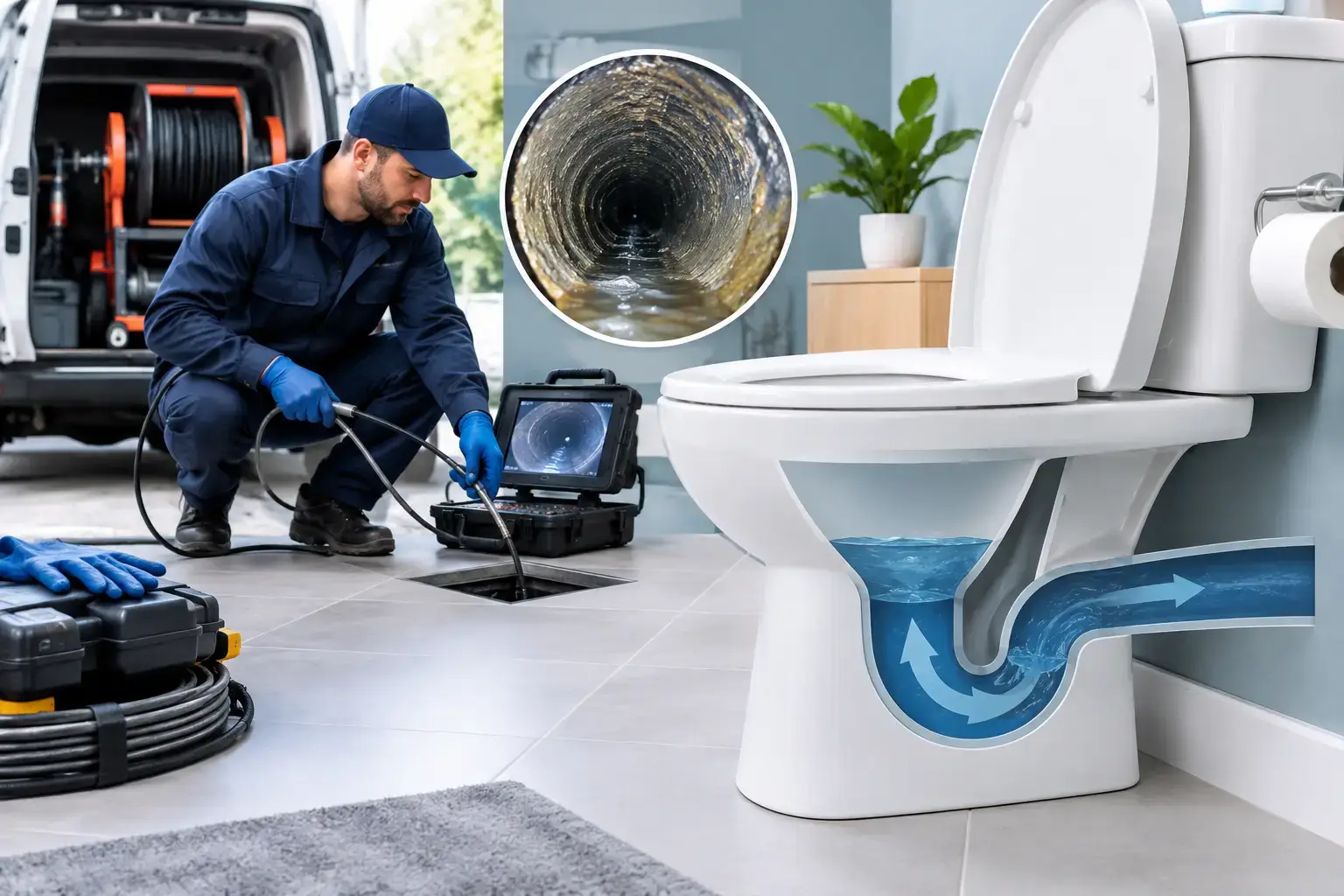
Make sure there is enough water in the bowl to cover the plunger cup. Place the plunger over the outlet, press down gently to remove trapped air, then use firm and controlled pushes and pulls for around 15 to 20 seconds. The aim is to move water through the trap and dislodge the blockage, not to force waste further down the line.
Lift the plunger slowly and wait a moment. If the water level falls, the blockage may have started to clear. Flush once only to test the result. If the toilet drains normally, clean and disinfect the plunger, the surrounding floor and any surfaces that may have been splashed.
Do not continue plunging for long periods if there is no change. A compacted blockage, a solid object or a fault further along the drain will not always respond to extra force.
When washing-up liquid and warm water may help
If the toilet is draining slowly but is not completely blocked, a small amount of washing-up liquid followed by warm water can sometimes help lubricate soft waste in the trap. Use warm water from the tap or kettle that has been allowed to cool slightly. Never pour boiling water into a toilet bowl, as sudden heat can crack porcelain or damage fittings.
Leave the mixture for 10 to 15 minutes, then try the plunger again. This approach is only suitable for minor organic blockages. It will not remove wipes, sanitary products, toys, excess toilet paper or objects caught in the toilet trap.
Use a toilet auger carefully
A toilet auger, sometimes called a closet auger, is designed to reach through the toilet trap without scratching the bowl. It can be useful where a plunger has not worked and you suspect an item is lodged close to the outlet.
Feed the protected end gently into the bowl outlet and turn the handle slowly. Do not force the cable. If you feel resistance, retract it slightly and try again with a controlled movement. The auger may break up soft material or allow you to retrieve an object.
Stop if the cable will not advance, if you cannot identify what is causing the resistance, or if it appears to snag. Pushing harder can damage the toilet trap or send an object further into the drainage pipe, making removal more difficult.
What not to put down a blocked toilet
Many toilet blockages are caused by products labelled as flushable that do not break down quickly enough in the drainage system. Toilets are designed for human waste and toilet paper only. Even small items can build up around bends, joins and damaged sections of pipe.
Common causes include:
- Wet wipes, kitchen roll, tissues and disposable cleaning cloths
- Sanitary towels, tampons, cotton wool and nappies
- Dental floss, cotton buds, hair and condoms
- Excessive toilet paper flushed in one go
- Small toys, air freshener holders and other objects dropped into the bowl
If you know an object has fallen into the toilet, do not flush again in the hope that it will disappear. If it is visible and can be reached safely with gloved hands, remove it. If it has passed into the trap or pipework, professional removal is usually the safer option.
Signs the blockage is not just in the toilet
A single blocked toilet can often be caused by a local obstruction in the trap. However, repeated blockages or problems affecting several fixtures usually point to a wider drainage issue.
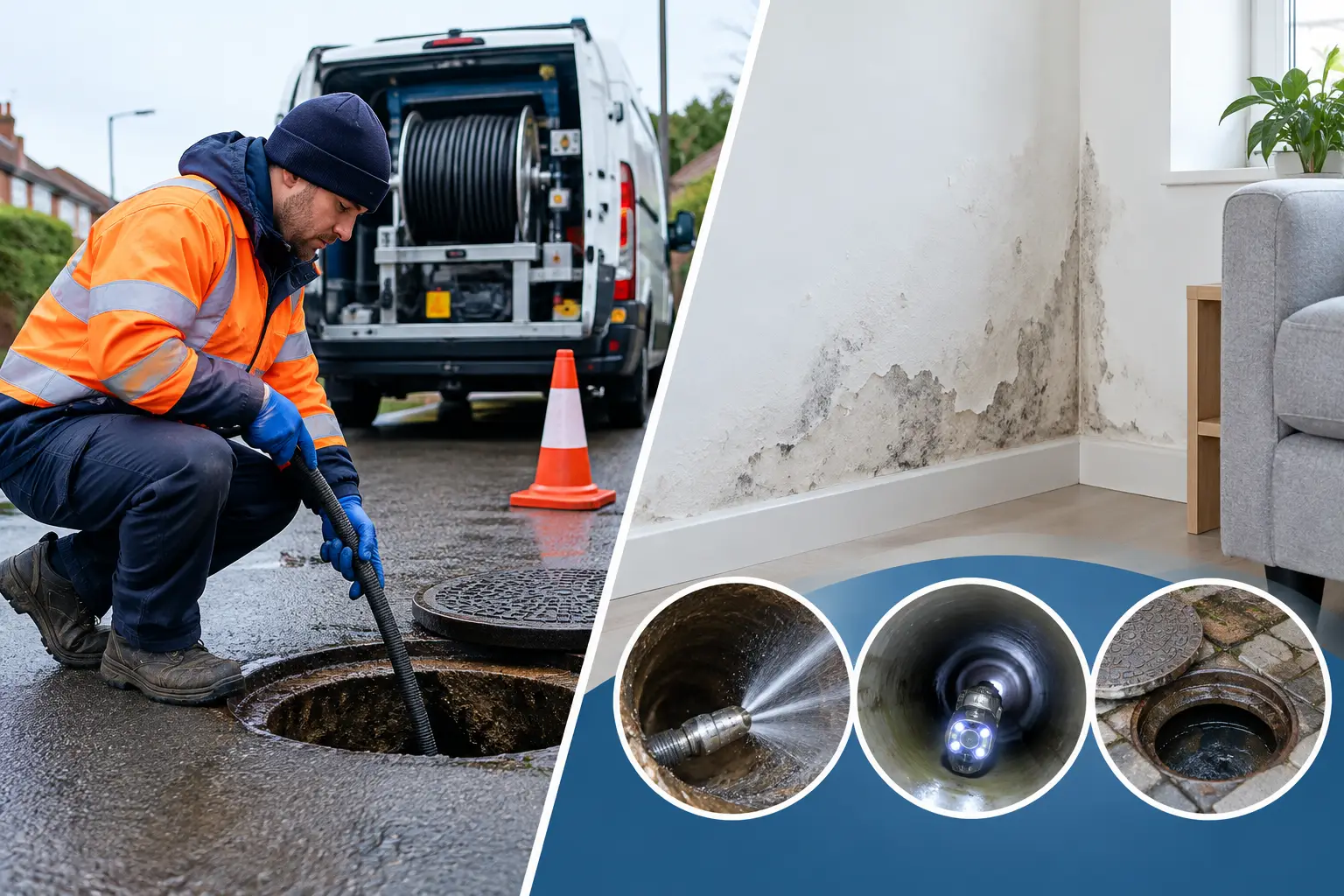
Pay attention if the toilet bubbles when a sink, washing machine or shower drains, or if water rises in the shower tray after flushing. Bad smells outside, slow-draining gullies, overflowing manholes and wastewater backing up indoors can all suggest an external drain blockage. In these situations, stop using water where possible to limit flooding and contamination.
For landlords, facilities managers and business owners, recurring toilet blockages should not be treated as an inconvenience to manage repeatedly. They can indicate scale build-up, root intrusion, pipe damage, poor pipe falls or an obstruction further along the system. A professional inspection can identify the actual cause rather than simply clearing the immediate symptom.
When to call an emergency drainage engineer
Call for professional help if the toilet overflows, the water level stays high after plunging, or you suspect a solid item is trapped in the pipe. You should also seek assistance where more than one drain is backing up, sewage is present inside or outside the property, or the same toilet keeps blocking.
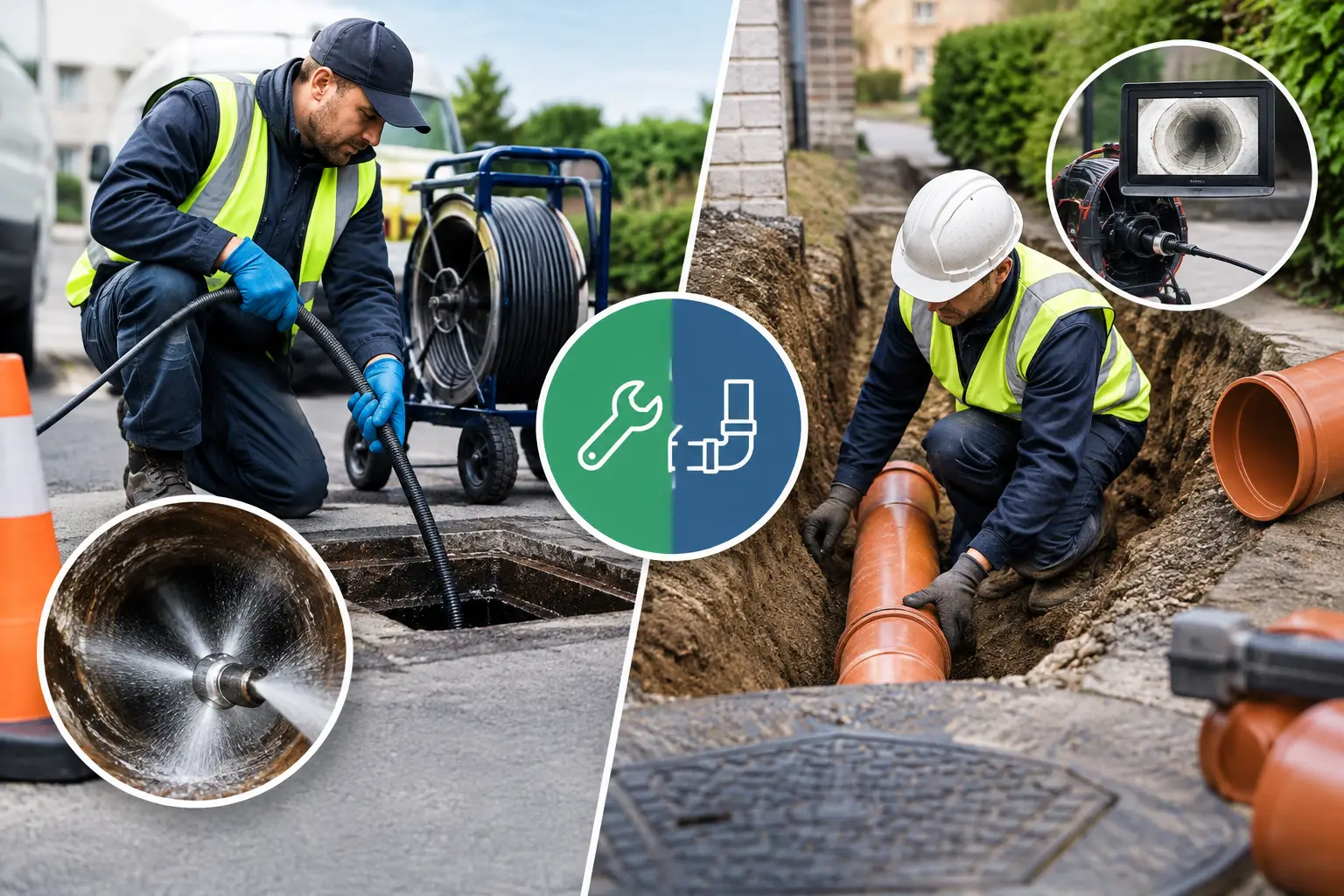
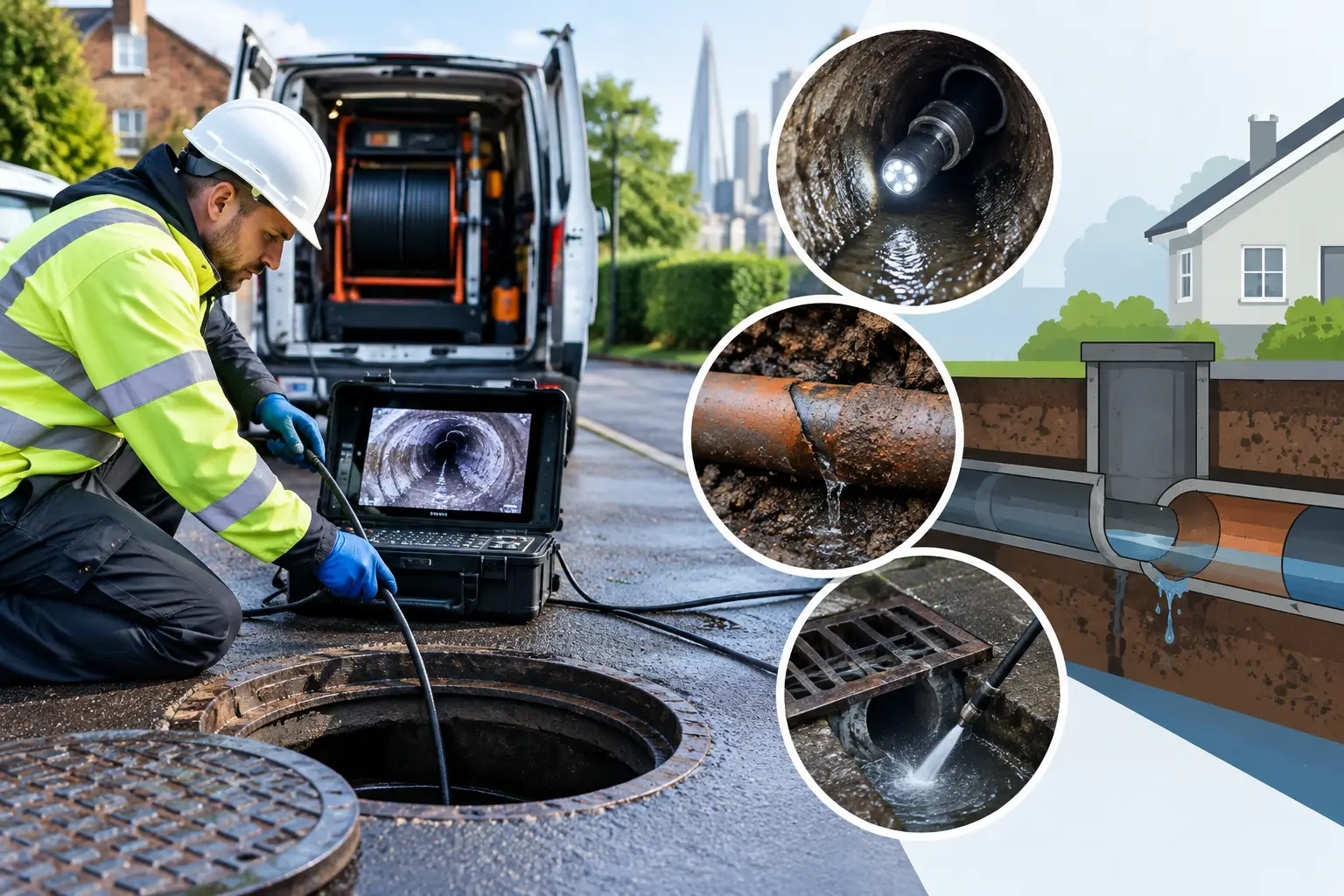
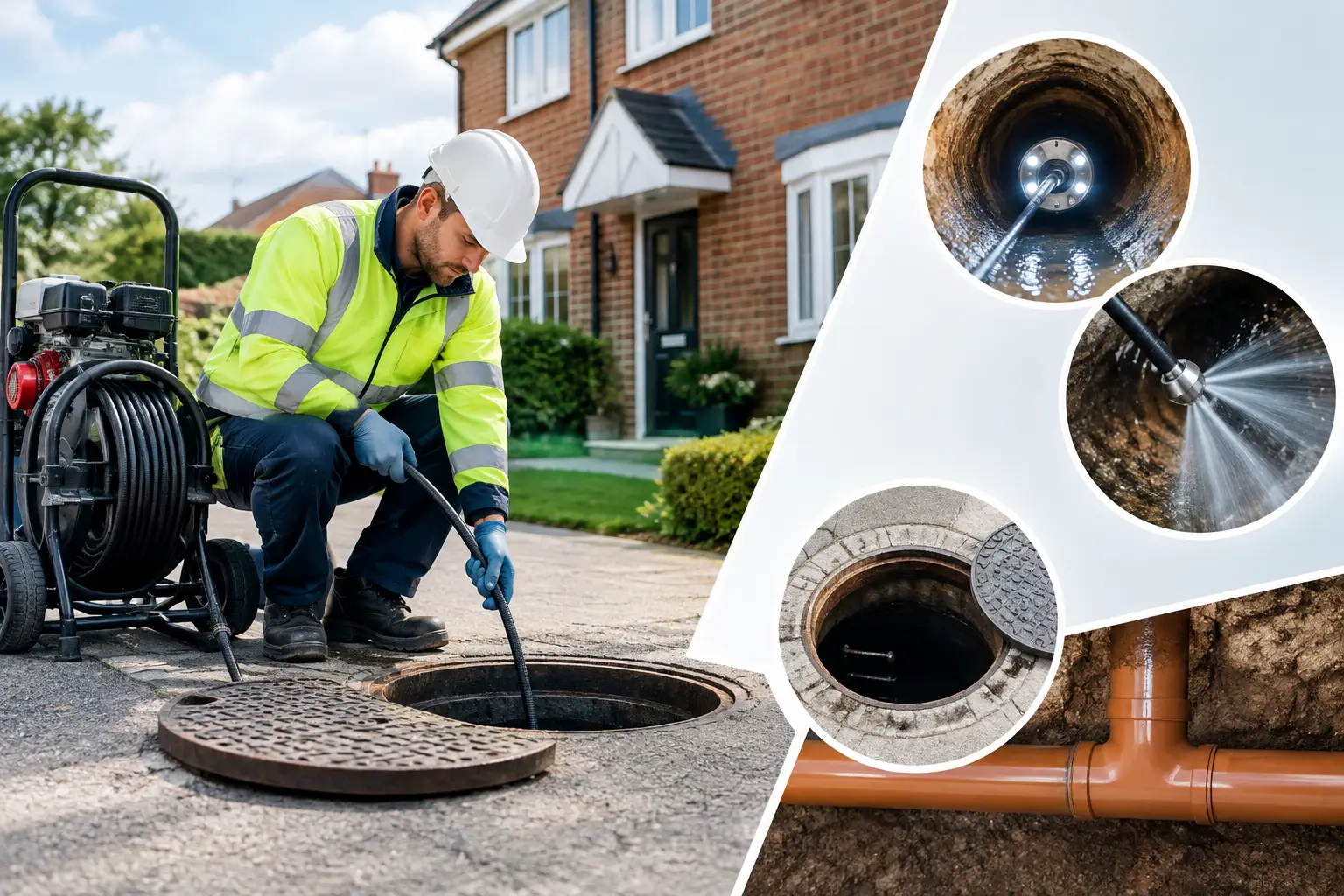
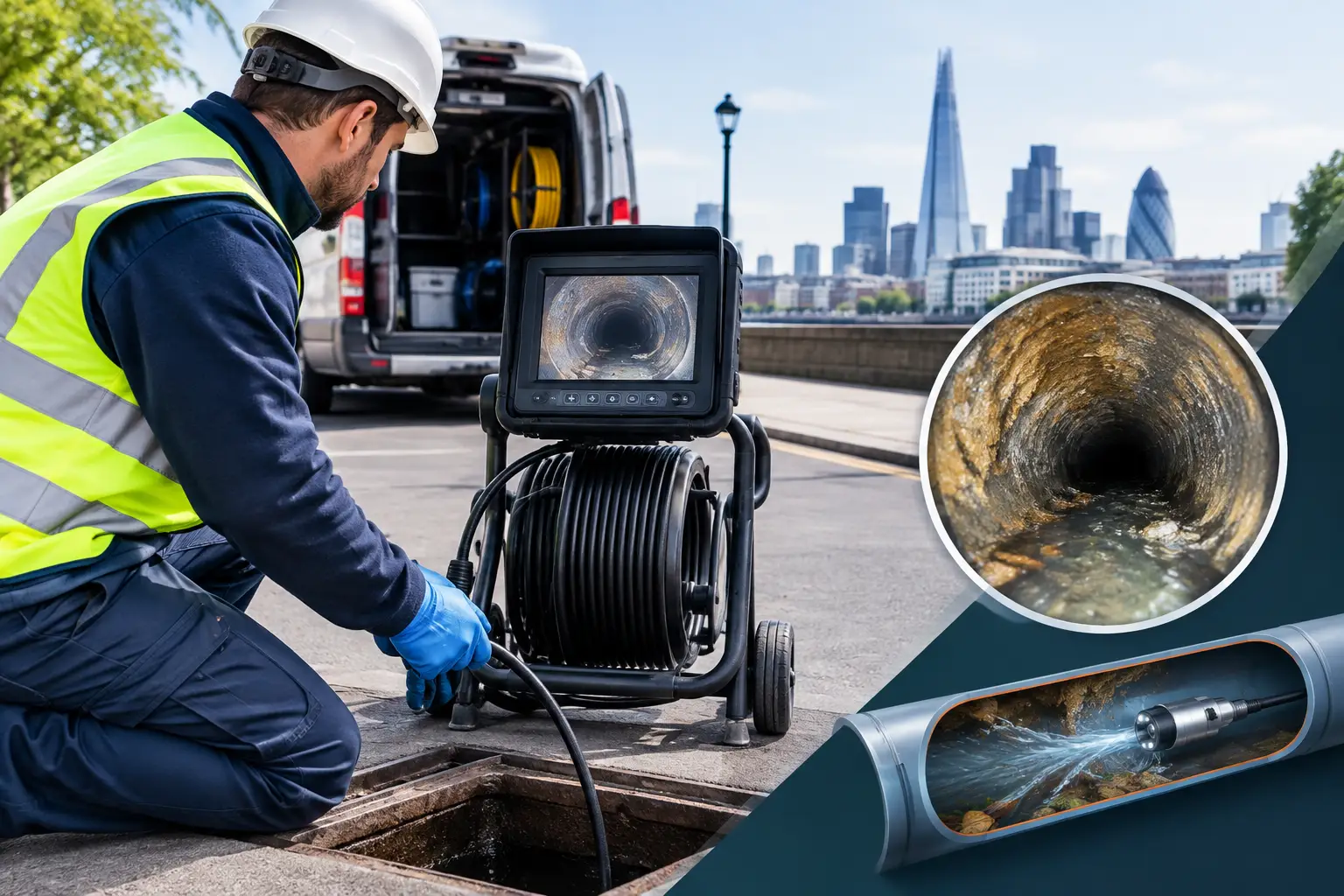
Drainage engineers can use specialist clearance equipment to remove stubborn blockages safely. Where the cause is unclear or the fault keeps returning, CCTV drain inspection equipment can check the condition of the pipework and identify issues such as cracks, displaced joints, root ingress or a blockage beyond the toilet.
RF Drainage Experts provides 24/7 emergency drain clearance across Greater London and surrounding areas for toilet blockages, external drainage problems and more complex drainage faults. A clear assessment helps ensure the right method is used without unnecessary disruption to your property.
Clean up safely after a toilet blockage
Once the toilet is working again, disinfect the bowl, flush handle, seat, floor and any equipment used. Wash reusable gloves separately and wash your hands thoroughly with soap and warm water. Towels used to contain contaminated water should be washed on a hot cycle if suitable, or disposed of if heavily soiled.
If sewage has overflowed onto flooring, especially carpet, laminate edges or unfinished timber, professional cleaning and drainage support may be needed. Moisture and contamination can remain beneath surfaces even after visible water has been removed.
A toilet blockage is often manageable when it is caught early, approached calmly and treated with the right tools. If the water is rising, the blockage keeps returning or other drains are affected, stop experimenting and arrange professional drainage help before a small problem becomes a messy one.