A slow-draining sink can seem like a minor nuisance, but it is often the first sign that drain maintenance is being left too late. Grease, soap residue, hair, food waste and debris build up gradually inside pipework. If they are not dealt with, a simple slow drain can turn into unpleasant odours, overflowing water, a blocked toilet or sewage backing up outside.
For homes, rental properties and commercial premises, regular attention to drains is one of the simplest ways to reduce disruption. It will not prevent every fault – tree roots, cracked pipes and collapsed drains need professional investigation – but it can greatly reduce avoidable blockages and help you spot a problem before it becomes an emergency.
Why regular drain maintenance matters
Your drainage system works out of sight, carrying wastewater away from sinks, baths, showers, toilets and appliances every day. Because most of the pipework is hidden, problems can develop for weeks before they become obvious. By the time water is overflowing from a gully or refusing to leave a kitchen sink, the blockage may be well established.
Routine care protects more than convenience. Persistent standing water can cause damage to floors, cupboards and fittings, while drain odours can make a property uncomfortable for occupants and visitors. In commercial settings, a blocked toilet, kitchen drain or external drain can interrupt normal operations and create hygiene concerns.
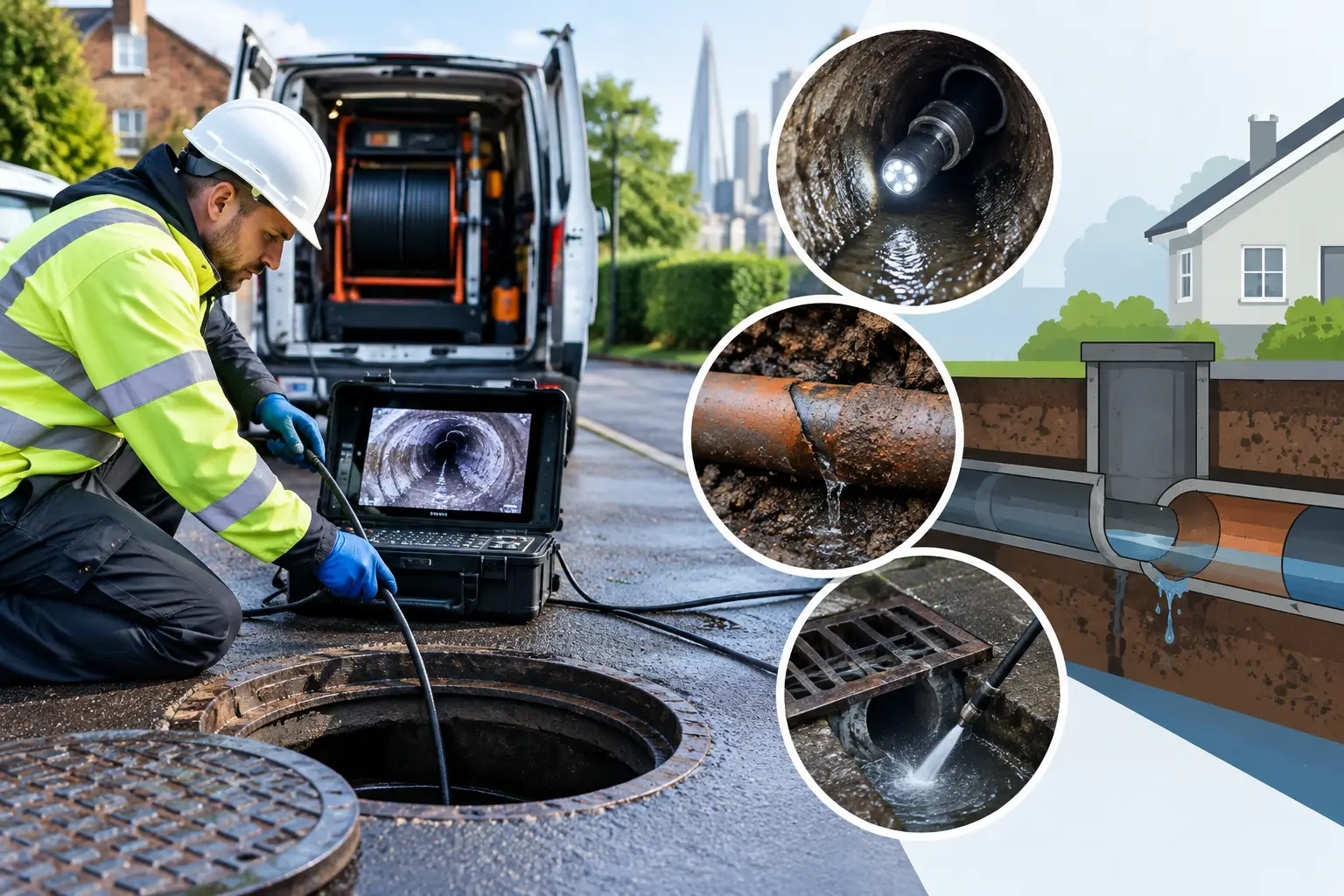
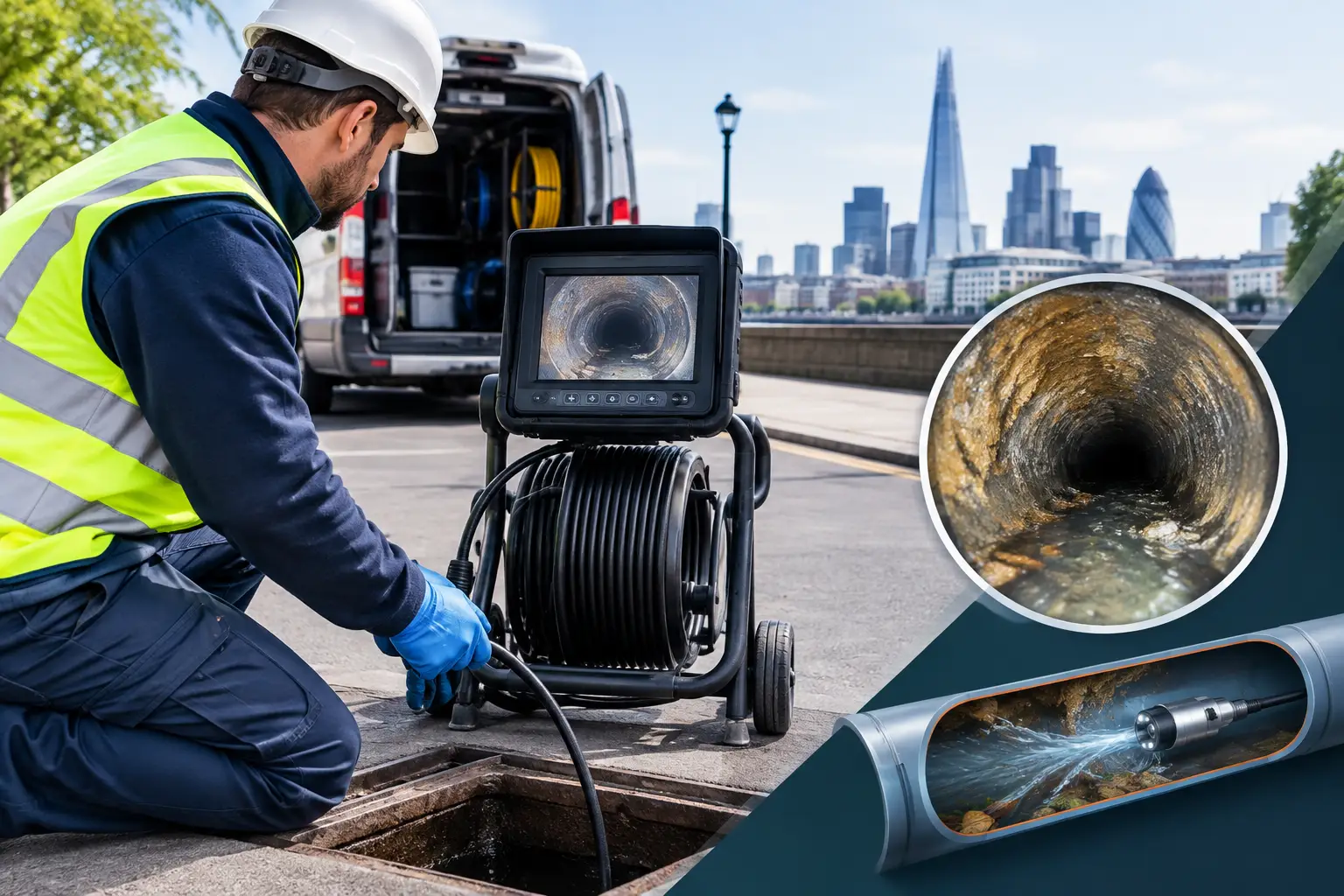
Maintenance also gives landlords and facilities managers a clearer picture of recurring faults. If the same toilet blocks repeatedly or an external drain backs up after heavy rain, treating each incident as a one-off may only delay the real solution. A CCTV drain inspection can show whether there is a build-up, root intrusion, pipe defect or another issue below ground.
Everyday drain maintenance at home
The most effective approach is to stop unsuitable material reaching the drains in the first place. Kitchen sinks are particularly vulnerable to fat, oil and food debris. Even when cooking fat is poured away as a liquid, it can cool and harden inside the pipes, trapping other waste as it builds up.
Allow oils and fats to cool in a container, then dispose of them with general waste rather than rinsing them into the sink. Scrape plates into the bin before washing up, and use a sink strainer to catch food particles. Coffee grounds, rice, pasta and flour are also poor candidates for the kitchen drain because they can clump or swell in the pipework.
In bathrooms, hair and soap residue are common causes of slow drainage. A simple hair catcher in the shower or bath can prevent much of this material entering the waste pipe. Empty it regularly rather than waiting until water starts pooling around your feet. Wipe excess soap or product residue from basins where possible, especially in busy households.
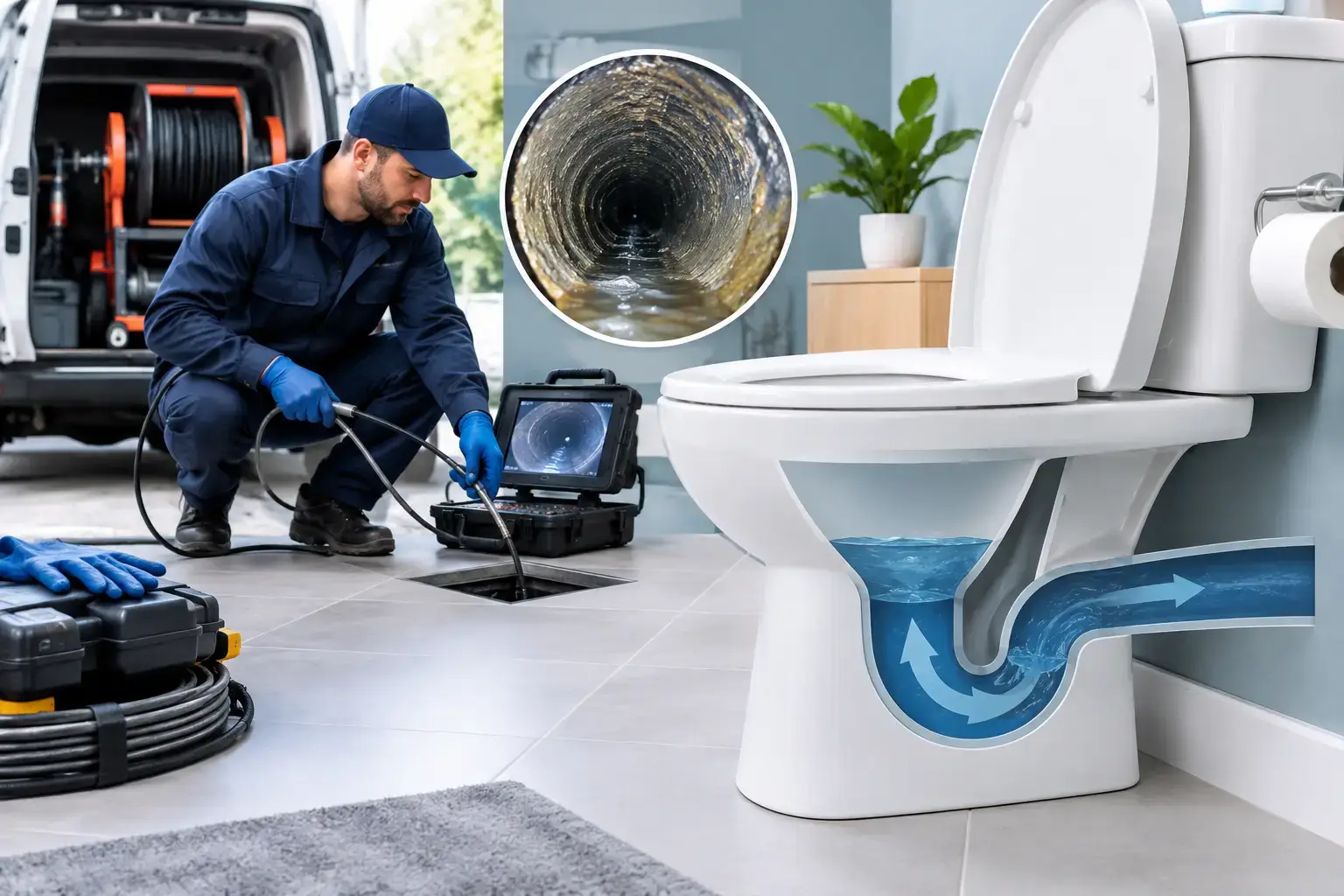
Toilets should only be used for toilet paper and human waste. Wipes labelled as flushable, cotton buds, sanitary products, nappies, dental floss and kitchen roll do not break down in the same way as toilet paper. They can catch on bends, joints and existing debris, leading to a blockage further along the system where it is harder to reach.
A regular hot-water flush can help move light soap and grease residue through internal waste pipes, but it is not a cure for a developing blockage. Avoid relying on harsh chemical drain cleaners. They may offer a short-lived improvement, yet they can be ineffective against solid obstructions and should be used carefully to avoid splashes or damage to certain pipework. Never mix cleaning chemicals.
Looking after external drains and gullies
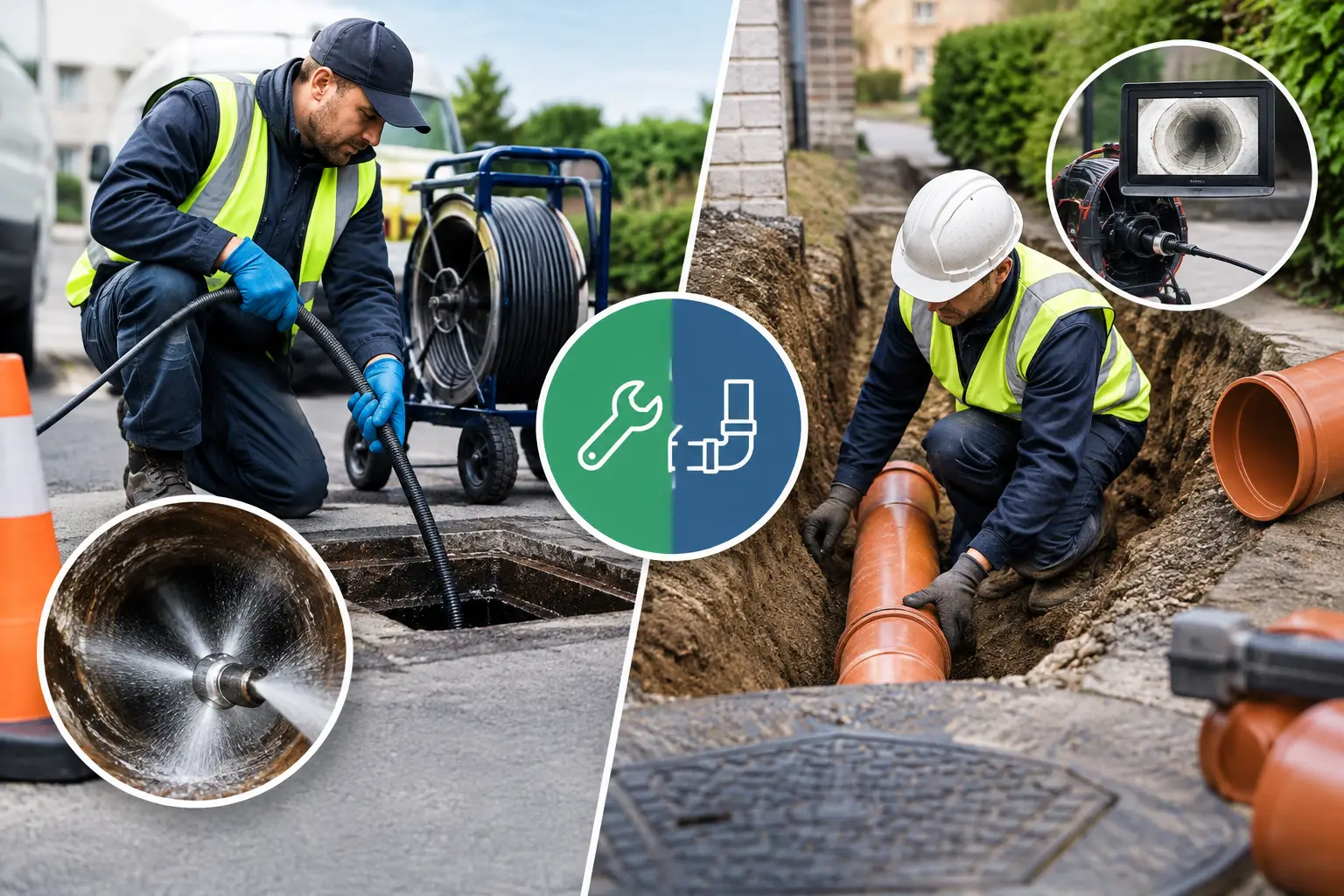
External drains, gullies and manholes are exposed to leaves, soil, litter and garden debris. In autumn, or after periods of high wind and rain, it is sensible to check that gully grates are clear and surface water can flow freely. Remove loose leaves and debris from around the opening using gloves, rather than pushing it into the drain.
Keep garden soil, gravel, cement, paint, plaster and building waste away from drains. These materials can settle in pipework and create a difficult blockage. If work is being carried out at the property, make sure contractors know where gullies and inspection chambers are located so they are not covered, damaged or used as disposal points.
Tree and shrub roots deserve particular attention. Roots naturally seek moisture and can enter drains through small gaps, faulty joints or cracks. Once inside, they trap toilet paper and other debris, causing repeated blockages. Cutting back visible growth may be helpful for general garden care, but it will not confirm the condition of the underground pipe. Recurring external drain issues near mature trees are a good reason to arrange a professional inspection.
Warning signs that should not be ignored
Not every drainage problem looks like a complete blockage. Early signs are often subtle, and responding at this stage can be less disruptive than waiting for the system to fail. Watch for changes such as:
- Water draining more slowly from a sink, bath, shower or toilet.
- Gurgling sounds from plugholes or toilets after water is used.
- Unpleasant smells from internal drains, gullies or manholes.
- Water rising in one fixture when another is emptied.
- Repeated blockages in the same area of the property.
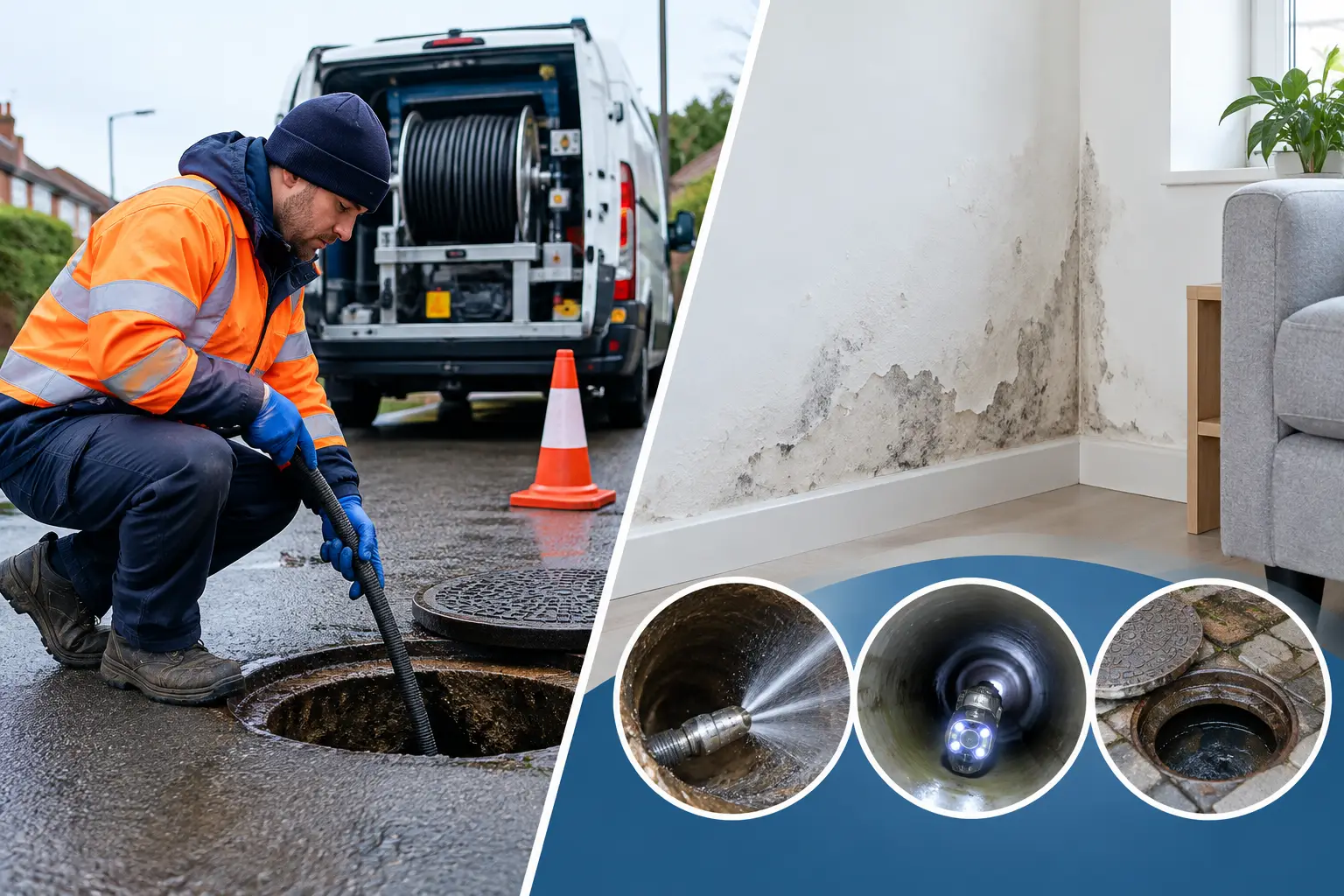
- Damp patches, pooling water or sewage around an external drain.
One slow basin may be caused by a local build-up near the plughole. Several fixtures draining slowly at once can point to a blockage further along the drainage system. Likewise, a toilet that gurgles when the bath is emptied may indicate restricted flow in a shared pipe rather than a problem with the toilet itself.
If wastewater is backing up, a toilet is overflowing, or sewage is visible outside, stop using affected fixtures where possible. Continued use can add more water to an already blocked system. Keep children and pets away from contaminated water and arrange professional help promptly.
When professional drain maintenance is the sensible choice
Some preventative tasks are straightforward, but underground drainage faults need the right equipment and a clear diagnosis. Repeated plunging or pouring products into a drain can mask the symptoms without removing the cause. It can also make conditions more hazardous for anyone who later needs to work on the drain.
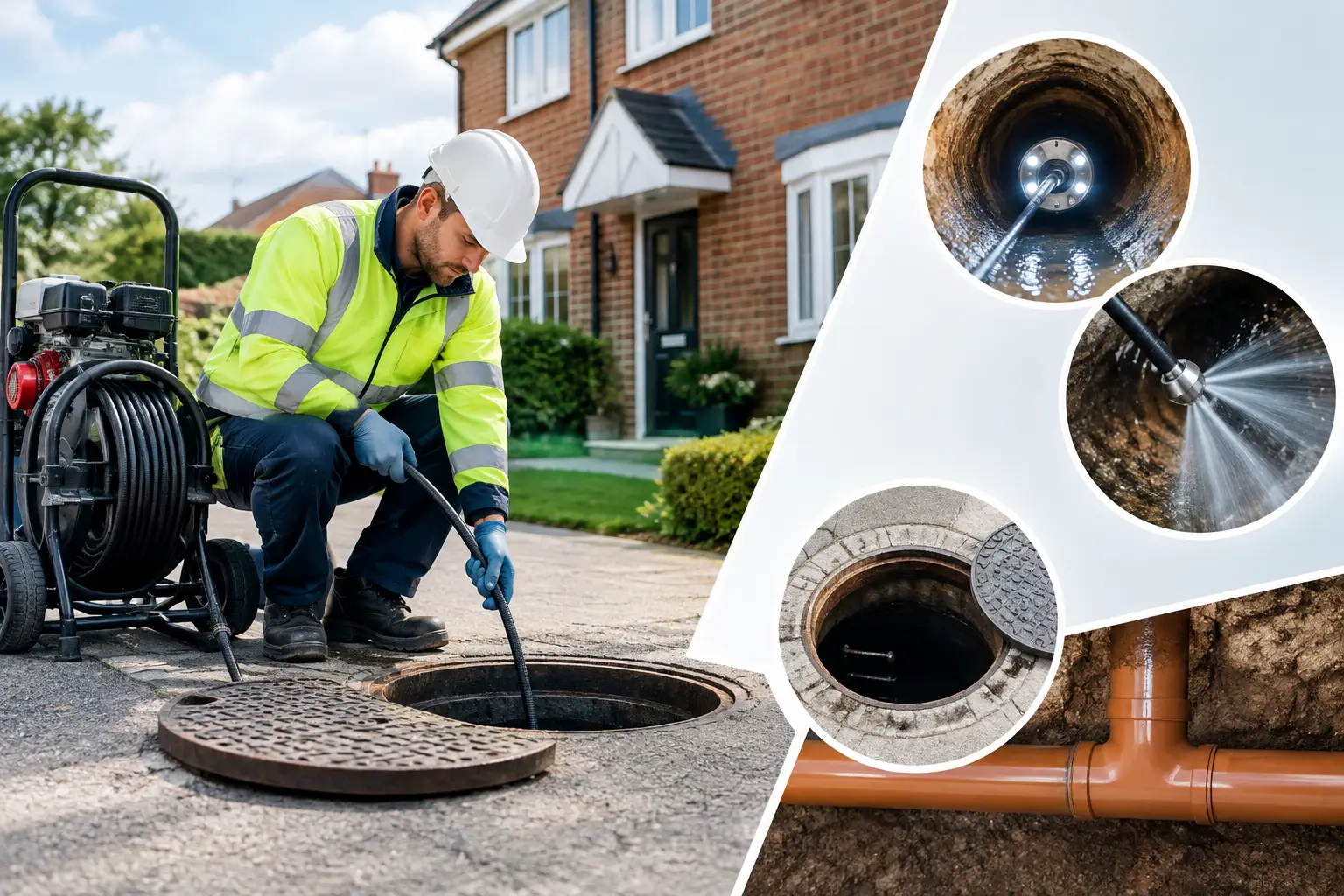
Professional drain maintenance may include clearing accumulated debris, cleaning pipework and checking the condition of drains with CCTV equipment. A camera survey allows the drainage contractor to see inside the pipe rather than guess at what is causing the restriction. It can identify grease build-up, displaced joints, root ingress, cracks, leaks and structural damage that ordinary cleaning will not resolve.
The right frequency depends on the property and how it is used. A small household with no history of drainage issues may only need good day-to-day habits and action when warning signs appear. A restaurant kitchen, shared residential building, rental portfolio or busy workplace may benefit from planned maintenance because the volume and type of waste entering the system is greater.
For landlords, documented inspections and prompt attention to reported drainage problems can help protect the property and reduce inconvenience for tenants. For businesses, planning maintenance outside busy hours may be preferable to dealing with an unexpected closure or hygiene issue during trading.
A practical routine for London properties
London properties can have a wide mix of older drainage layouts, shared pipework and established trees. This makes it particularly useful to pay attention to patterns. If a property in Greenwich, Lewisham, Woolwich or a nearby area has a history of recurring blocks, do not assume it is simply caused by household use each time.
Keep a brief note of when the issue happens, which fixtures are affected and whether it follows heavy rain. This information can help a drainage professional investigate efficiently. For example, blockages that occur only after rainfall may relate to an external drainage issue, while regular kitchen backups can suggest grease accumulation or a restriction in the waste line.
RF Drainage Experts can assess blocked and recurring drains using professional clearance equipment and CCTV drain inspection where needed. Clear communication about the cause, the work required and sensible next steps helps property owners make informed decisions rather than repeatedly treating the symptoms.
A well-maintained drain is rarely noticed, which is exactly the point. Keep unsuitable waste out of the system, act on slow drainage and odours early, and seek professional advice when the same problem returns. That small amount of attention can prevent a far more disruptive day later on.