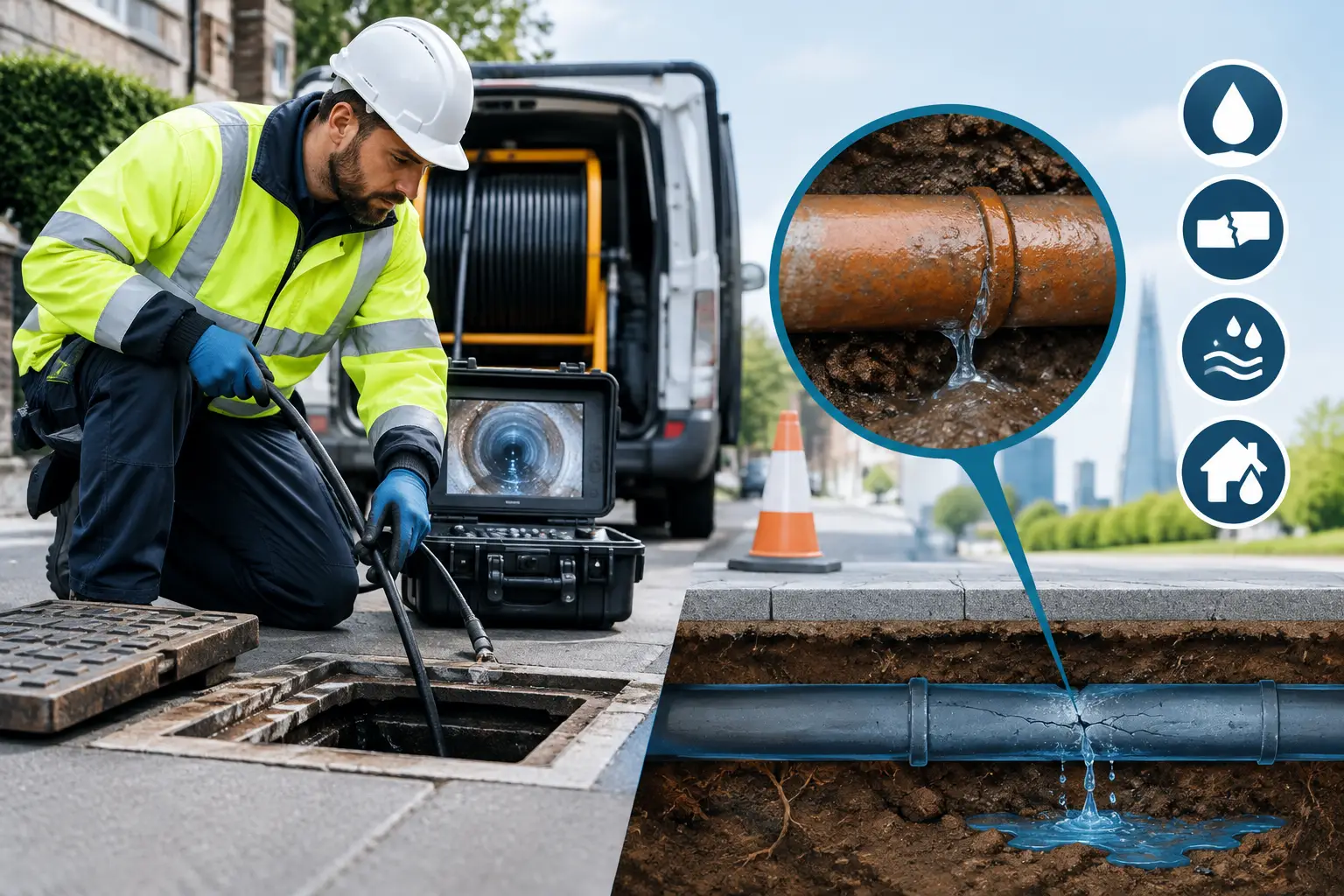
Water pooling around a gully, a foul smell by the back door, or a manhole that is slow to clear can quickly turn into a much bigger problem. External drain cleaning removes the debris and blockages that stop wastewater and rainwater leaving your property properly. Acting early can help prevent flooding, unpleasant hygiene issues and disruption at home or at business premises.
External drainage is out of sight for much of the year, so it is easy to overlook until water starts backing up. Leaves, silt, grease, wipes and tree roots can all build up below ground. A professional inspection and clean identifies what is causing the issue, clears it safely and helps establish whether the pipework itself needs attention.
What does external drain cleaning involve?
External drains carry wastewater away from toilets, sinks, showers, kitchens and outdoor gullies. Depending on the property, they may connect to private pipework, shared drainage or the public sewer. Cleaning is not simply a matter of lifting a cover and removing visible debris. The blockage may be several metres along the pipe, or it may be linked to a damaged section that keeps catching waste.
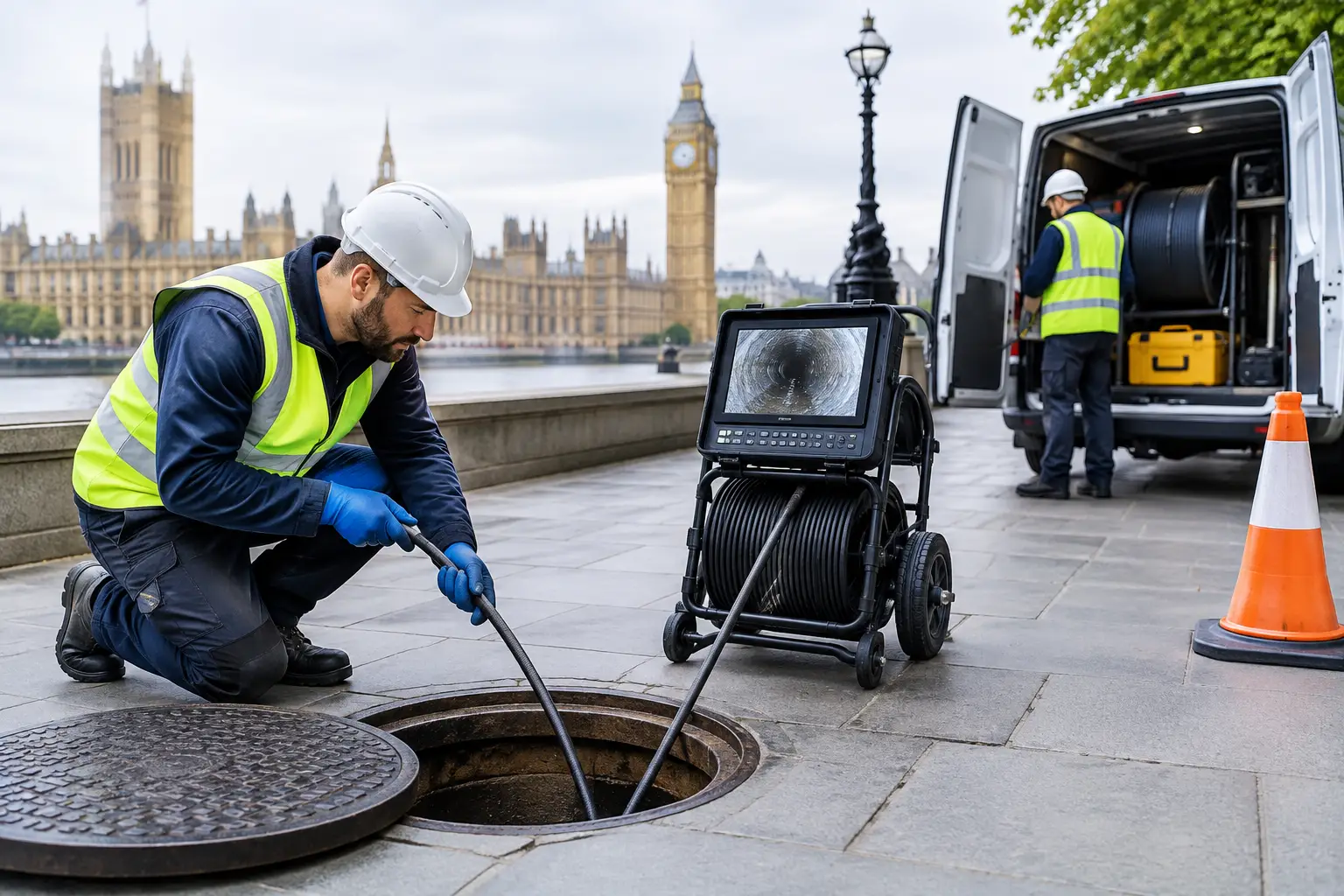
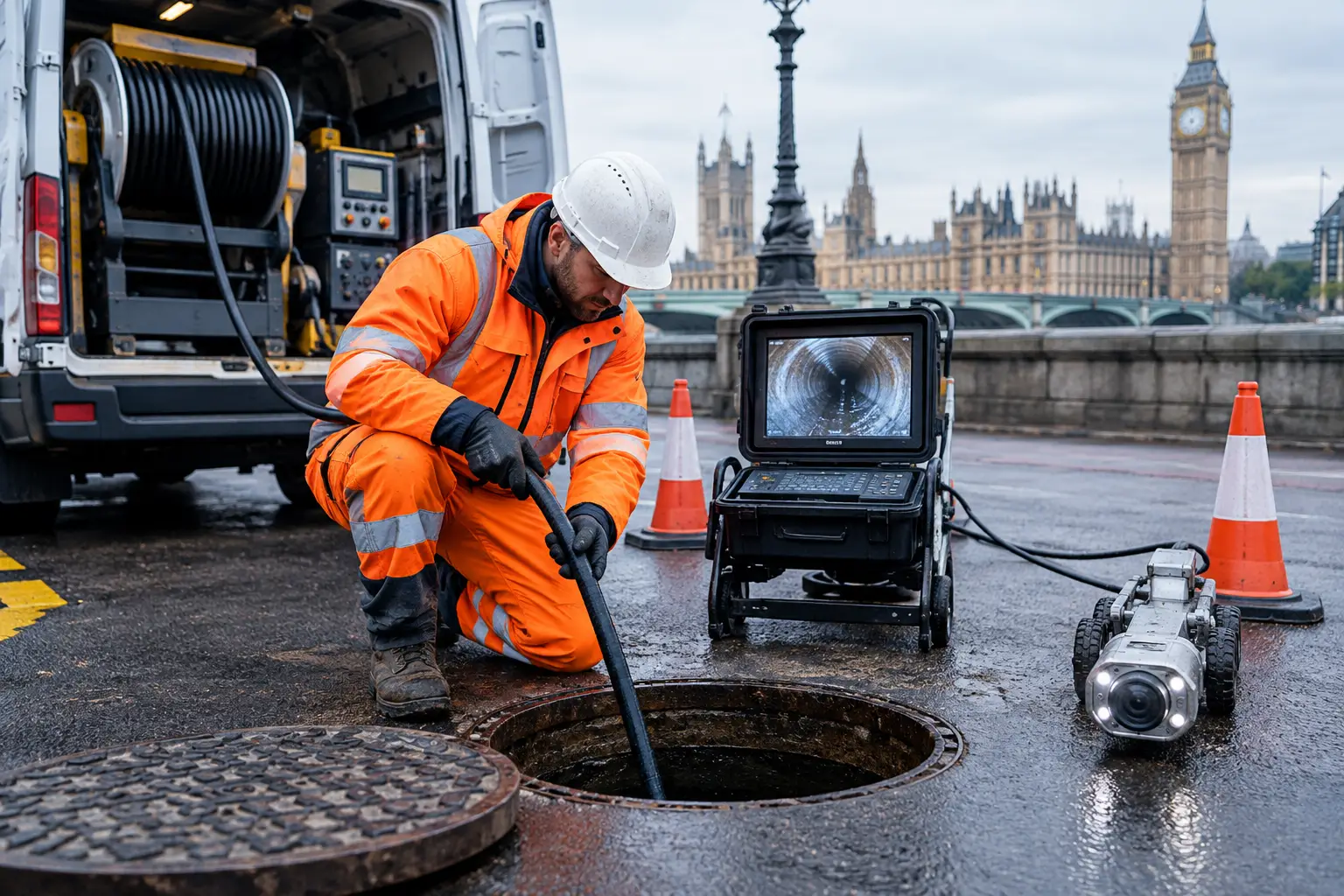
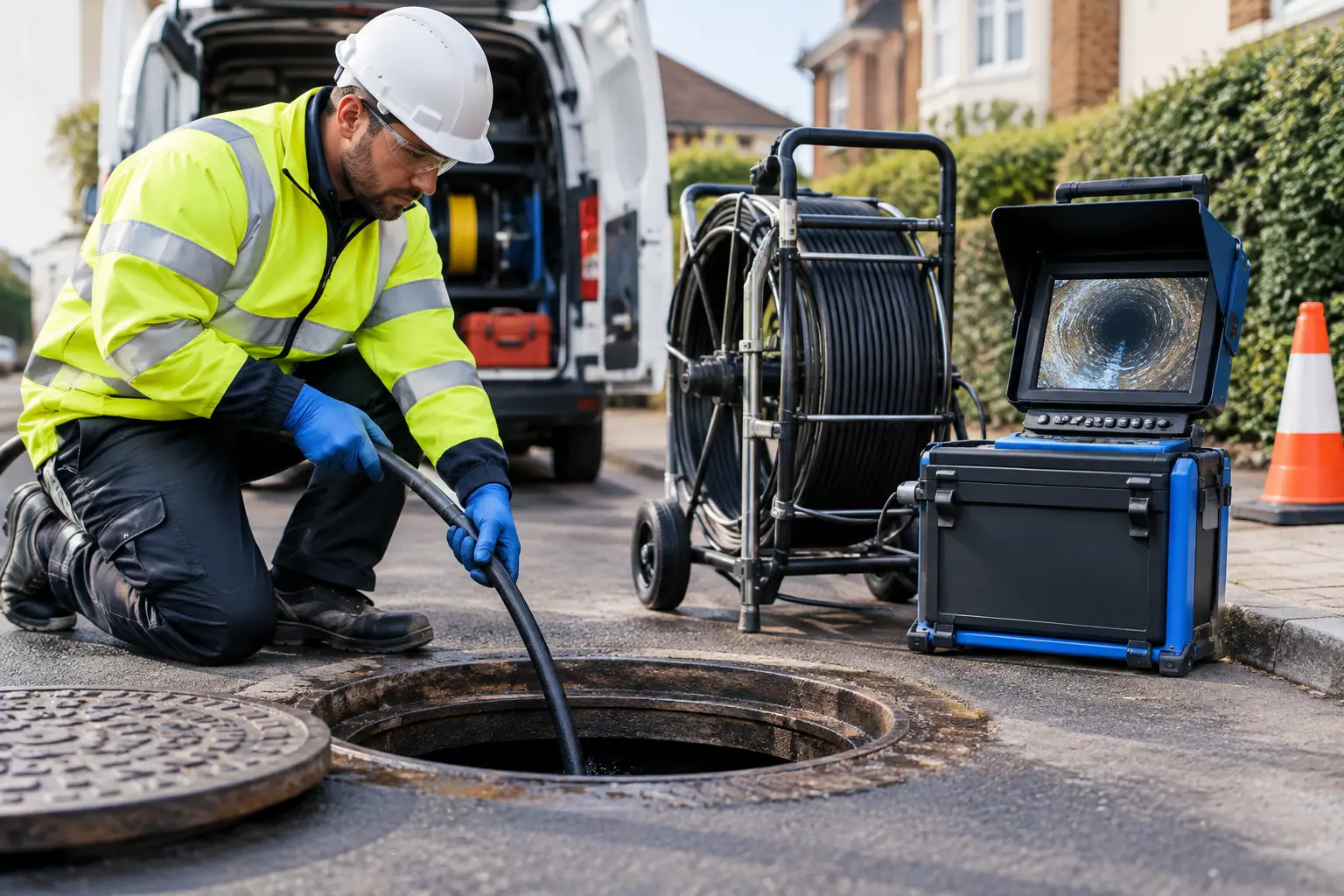
A drainage engineer will first assess the affected area and the symptoms you have noticed. For a straightforward blockage, professional drain rods or high-pressure water jetting may be used to break up and flush away the material. Jetting is particularly effective for compacted silt, fat deposits and debris that cannot be reached from the drain opening.
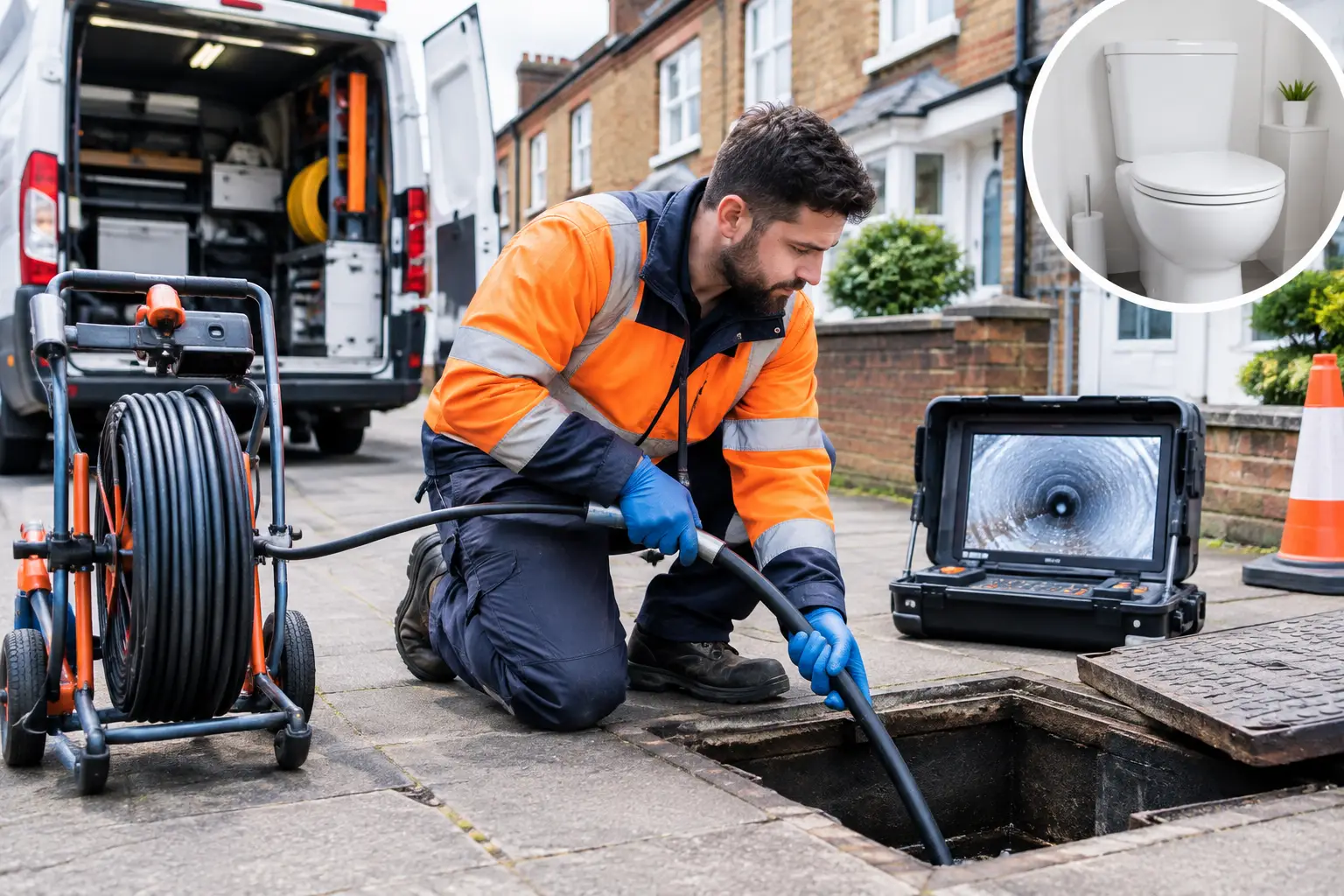
If the problem is recurring, a CCTV drain survey can provide a clear view inside the pipe. This helps identify root intrusion, cracks, displaced joints, scale build-up or collapsed sections. It avoids guesswork and means the recommended repair is based on the actual condition of the drain.
Signs your outside drains need attention
An external blockage does not always begin with a dramatic overflow. Small changes in how your drains behave are often the first warning. Water that drains slowly from a ground-level gully, for example, may indicate debris building up further down the line.
Other signs include persistent drain odours, gurgling from toilets or sinks, standing water around a manhole cover, and water rising in a gully when appliances are emptied indoors. In some cases, you may notice sewage or dirty water backing up through an outside drain. This needs prompt professional attention, particularly where children, pets, customers or staff could come into contact with it.
For commercial premises, drainage problems can also show up as inconvenient toilet closures, unpleasant smells near entrances or kitchens, and water collecting in service areas. Restaurants, cafés and properties with busy kitchens are especially prone to grease-related build-up. The right approach depends on the cause, the layout of the drains and how heavily the system is used.
Common causes of blocked external drains
Outdoor drains are designed to manage wastewater, not everything that finds its way into them. Wet wipes, sanitary products, cotton buds and excess toilet paper can lodge in bends and joints rather than breaking down. Cooking fat, oil and food waste may seem harmless when washed down the sink, but they cool and harden in the pipework, trapping other material over time.
Weather also plays a part. Leaves, moss, soil and garden debris can block gullies after heavy rain, especially where a grate has not been cleared for some time. Silt can settle in older or low-flow pipework and gradually reduce the space available for water to pass through.
Tree roots are another common cause in London gardens and older properties. Roots naturally seek moisture and can enter through small openings at joints or cracks. Once inside, they expand and catch paper, waste and debris. Clearing the roots may restore flow, but a CCTV inspection is often sensible afterwards to check whether the pipe has been damaged and whether further repair is needed.
Why DIY drain cleaning has limits
Clearing leaves from a gully grate and removing loose debris near the surface are sensible routine jobs. However, forcing rods through an unknown blockage can compact material, damage old pipework or push the obstruction further along the system. Chemical drain cleaners are also rarely a reliable answer for external drains. They may not reach a solid blockage, can be hazardous to handle and do not resolve cracked pipes or root ingress.
It is also difficult to know whether a blockage belongs to your private drain, a shared section or a sewer connection without investigation. A professional can assess the situation before work begins and explain the findings clearly. This is particularly useful for landlords and facilities managers who need a documented understanding of a recurring issue.
If wastewater is overflowing, avoid using toilets, showers, washing machines and sinks where possible until the drain has been assessed. Keep people away from contaminated water and do not attempt to enter a manhole or drain chamber. Underground drainage spaces can be hazardous and should only be handled with appropriate equipment and experience.
When cleaning is not enough
A clear drain is the immediate goal, but repeat blockages should not be treated as normal. If the same gully, toilet or manhole repeatedly backs up, there may be a structural reason behind it. CCTV drainage inspection can reveal issues such as fractures, displaced joints, root damage, poor pipe falls or a section of pipe that has partially collapsed.
In these cases, cleaning restores flow temporarily but repair may be the more durable solution. The appropriate work varies. Some damage may be suitable for targeted drain repair, while more serious faults may require excavation. A good drainage contractor should explain the evidence, the available options and the likely next step in plain language before recommending further work.
Preventing future external drain blockages
Regular care will not prevent every drainage fault, but it can reduce avoidable blockages. Keep gully grates clear of leaves and garden waste, especially in autumn and after storms. Do not pour fats, oils or food scraps into sinks, and only flush toilet paper and human waste.
Properties with mature trees, frequent kitchen use or a history of blocked drains may benefit from planned cleaning and periodic CCTV checks. This is often more practical than waiting for an emergency, particularly for rental properties, shops, offices and food premises where a closure can cause real inconvenience.
Take note of where your manholes and gullies are located, but do not seal or cover them permanently with decking, paving or storage. Engineers need safe access to investigate and clear a fault. If access has become restricted, mention this when arranging a visit so the situation can be assessed properly.
Fast help for external drainage problems
External drain issues can escalate quickly, particularly during heavy rainfall or when sewage is backing up. RF Drainage Experts provides 24/7 emergency drainage support across Greater London and nearby areas, using professional clearance equipment and CCTV investigation where required. The aim is to identify the cause, restore drainage and explain clearly what has been found.
If you can see water rising, smell sewage or have a drain that repeatedly blocks, arranging a professional assessment sooner rather than later can limit mess and protect your property. A drain that clears once but fails again is giving you useful information: it is time to find the cause rather than keep treating the symptom.