A drain can be damaged long before there is a dramatic collapse or a flooded garden. The best signs of drain damage are often changes you notice around the property: a toilet that behaves differently, a smell that keeps returning, or a patch of ground that never seems to dry. Acting early can limit disruption, protect the building and prevent a manageable repair becoming an emergency.
A simple blockage and a damaged drain can look similar at first. The difference is usually persistence. If a problem repeatedly returns after clearing, affects more than one fitting, or comes with signs outdoors, the pipework may need a closer inspection rather than another temporary fix.
1. Blockages keep coming back
A sink, toilet or shower can block because of everyday build-up, such as grease, soap residue, wipes or hair. When it clears and stays clear, the issue may have been local to that waste pipe. But if the same drain blocks again within a short period, there may be a defect further along the line.
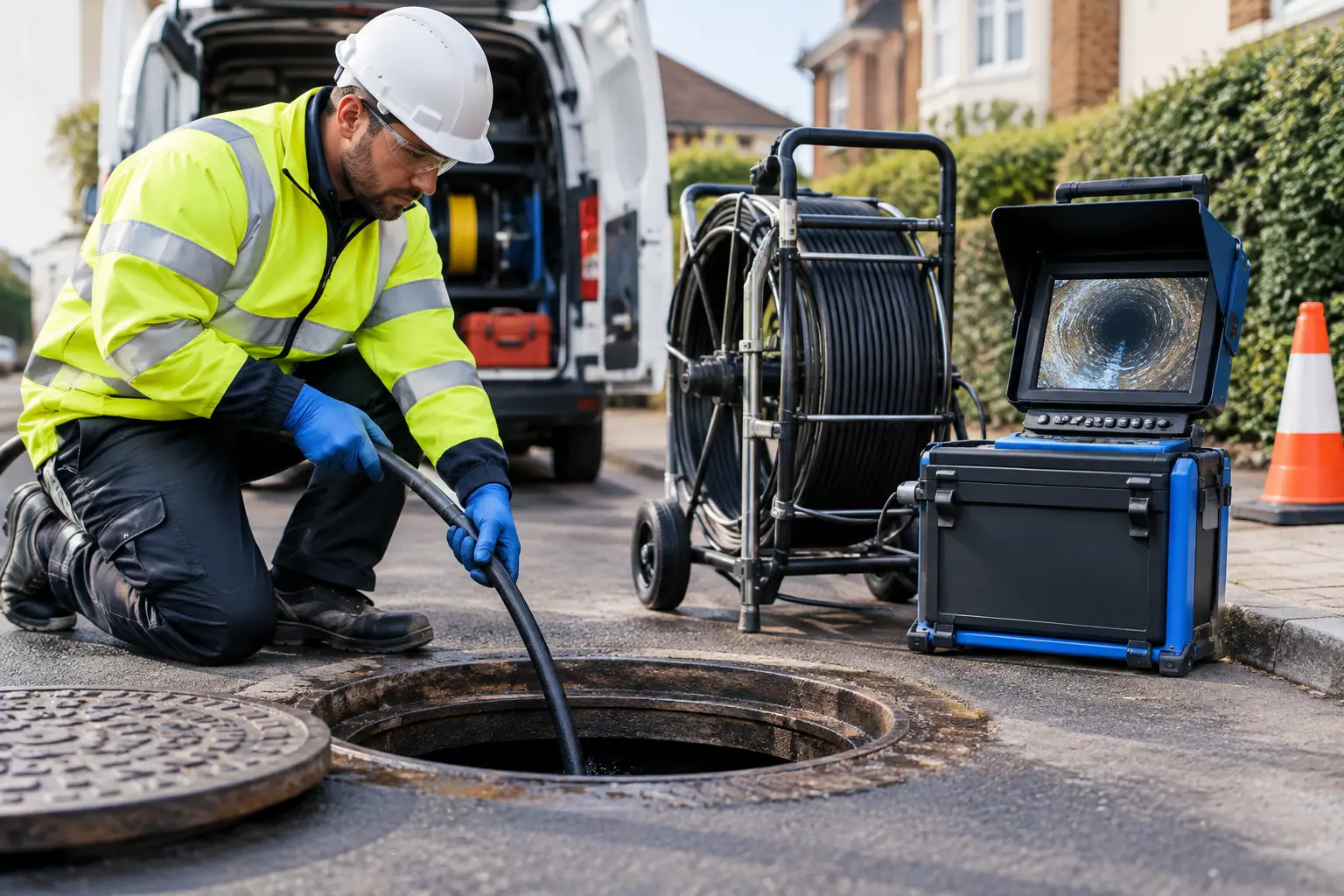
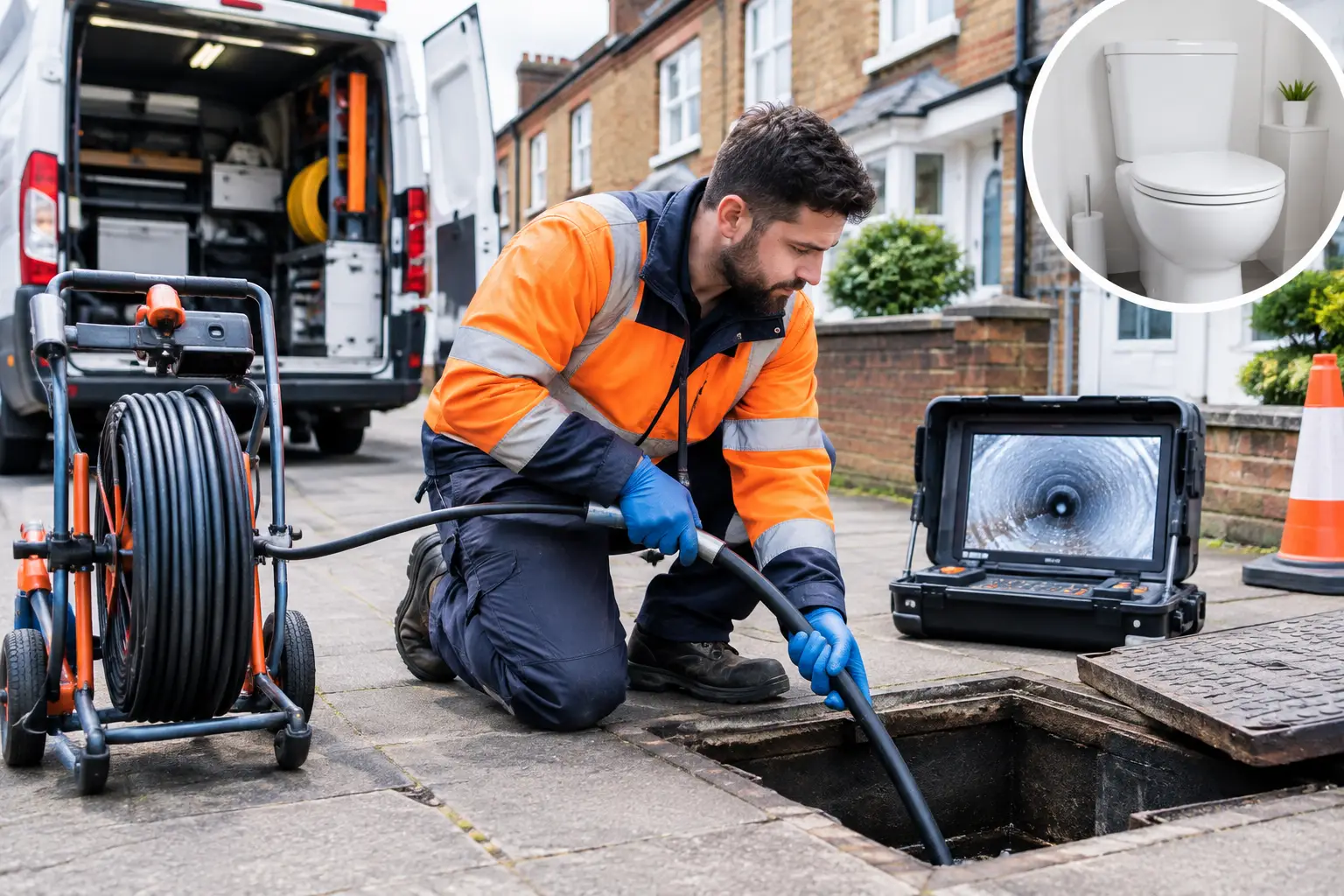
Cracks, displaced joints, root intrusion and sections of pipe that have dropped out of alignment can all catch debris. Material builds up at the damaged point, is removed during clearance, then gathers again. Repeated blockages are a good reason to arrange a CCTV drain inspection, which shows what is happening inside underground pipes without unnecessary digging.
2. Several drains are slow or backing up
One slow basin may have a local blockage in the trap or connecting pipe. A slow kitchen sink, bath and toilet at the same time points to a problem further down the shared drainage system.
Watch for water rising in a toilet when the bath empties, gurgling from plugholes, or wastewater appearing in a shower tray or low-level drain. These symptoms can indicate a serious obstruction, but they can also be linked to a damaged or collapsed section restricting the flow. Avoid repeatedly flushing or running more water to test it, as this can lead to an internal overflow.
3. Persistent drain smells inside or outside
Drain odours are unpleasant, but they are also useful clues. A brief smell from a rarely used bathroom can sometimes be caused by a dry trap. Running water through the fitting may restore the water seal. A persistent sewage-like smell, particularly near external drains, manholes or a particular room, needs more attention.
Damage to a drain can allow foul air to escape through cracks, failed joints or broken seals. The smell may become worse after heavy rain, when appliances are in use, or during warm weather. If it returns after cleaning the affected area, professional investigation can identify whether the issue is a blockage, a ventilation concern or damaged pipework.
4. Wet patches, pooling water or unusually green ground
Water should flow through a functioning drain and into the correct part of the system. It should not regularly pool around a gully, inspection chamber or lawn after the rain has stopped. A wet patch that appears during dry weather is particularly worth checking.
Leaking drains can saturate the soil around them. In a garden, this may create an unusually green or fast-growing strip of grass. Near a building, it can leave damp ground, staining, algae or soft areas underfoot. Do not assume it is simply a surface-water issue, especially if it is accompanied by slow drains or unpleasant smells.
5. Cracks in paving, sinking ground or movement near drains
Underground drainage defects can affect the ground above them. If a pipe has cracked, collapsed or washed away surrounding soil, paving may begin to dip and the ground can become unstable. This does not always mean the drain is the cause – ground movement can have other explanations – but it should not be ignored.
Pay close attention to new depressions near manholes, gullies, external drainage runs and the edge of the property. Keep people away from any area that appears to be sinking, particularly if there is a risk of a void below the surface. A camera survey can help establish whether the drain is damaged and where the problem is located.
6. Damp, mould or unexplained staining
Not all drain damage happens outside. Leaking waste pipes and defective concealed drainage can introduce moisture into walls, floors and cupboards. You may notice a musty smell, peeling paint, swollen timber, dark staining or mould that keeps returning after cleaning.
Damp has many possible causes, including plumbing leaks, condensation and building defects. However, if staining appears near a bathroom, kitchen, utility area or soil pipe, drainage should be considered. The longer wastewater escapes unnoticed, the greater the risk of damage to finishes and surrounding materials.
7. Tree roots are entering the drain
Roots naturally seek moisture. Even a small crack or loose joint can give them a route into an older or vulnerable pipe. Once inside, fine roots can expand into a dense mass that catches paper, grease and other debris, leading to regular blockages and reduced flow.
You cannot always see roots from ground level. The tell-tale signs are recurring external drain blockages, sluggish toilets and problems that seem to return seasonally. Cutting roots during clearance may restore flow, but the entry point also needs assessing. If the damaged joint or crack remains, roots can grow back.
8. Water levels in manholes are unusually high
An inspection chamber or manhole should not be opened unnecessarily, and it is sensible to avoid direct contact with wastewater. If you can safely see that water is sitting high in the chamber, flowing slowly, or backing up towards the cover, there may be a blockage or restriction downstream.
Where the level stays high after water use has stopped, arrange professional help promptly. This is especially important for commercial premises, landlords and shared buildings, where an overflowing drain can quickly create hygiene issues and interrupt normal use of the property.
9. Rodent activity has increased around the property
Rats can enter buildings through defective drains. They are attracted to food waste and can use breaks, displaced joints or damaged connections as access points. Droppings, scratching sounds, gnawed materials and recurring sightings may have several causes, but defective drainage is one possibility worth investigating.
Drainage repairs alone are not a substitute for pest control where it is needed. However, identifying and repairing damaged pipework can remove a route into the property and help prevent a recurring problem.
10. Your property has older drains or a history of problems
Age alone does not prove that a drain is failing. Many older systems continue to work well with suitable maintenance. However, older pipe materials, previous building work, mature trees and a history of recurring blockages all increase the value of checking the condition of the drainage system.
This is particularly relevant before purchasing a property, renovating a kitchen or bathroom, or when managing a rental or commercial site. A CCTV survey can identify cracked pipes, root ingress, scale build-up, poor connections and structural defects, allowing repairs to be planned around the actual condition of the drain.
What to do when you spot signs of drain damage
Start by reducing water use if wastewater is backing up or there is a risk of flooding. Do not use chemical drain cleaners in a suspected damaged pipe. They may not reach the fault, can create a hazard during later clearance work and may be unsuitable for some pipework.
A professional drainage engineer can clear the blockage where necessary, then use CCTV equipment to inspect the pipe internally. This gives a clear view of the cause and helps determine whether cleaning, root removal or drain repair is the appropriate next step. It also avoids guessing based on symptoms alone.
For homes, rented properties and business premises across Greater London, RF Drainage Experts can investigate persistent drainage faults and explain the findings clearly. If sewage is overflowing, water is entering the property or a drain has failed suddenly, treat it as an urgent drainage issue and seek help without delay.
A strange gurgle or a slow sink may be minor, but recurring symptoms deserve a proper answer. Addressing them early gives you more control over the repair and helps keep your property clean, safe and usable.