A leaking underground drain rarely announces itself with a dramatic burst pipe. More often, the first clues appear above ground: an unpleasant smell near a patio, a damp patch that never dries, or a gully that seems to back up after every shower. Recognising leaking underground drain warning signs early can limit damage to your home, garden or business premises and help prevent a small defect becoming a more disruptive repair.
Underground drainage is out of sight, but it still affects the condition, hygiene and day-to-day use of your property. If something feels different around your external drains, it is worth taking it seriously – particularly where sewage may be involved.
Persistent smells around external drains
A drain should carry wastewater away without leaving a continual foul smell around your property. Brief odours can occur after heavy rain or when a rarely used waste trap has dried out, but a strong or recurring sewage smell around a manhole, gully, driveway or garden can point to a damaged drain.
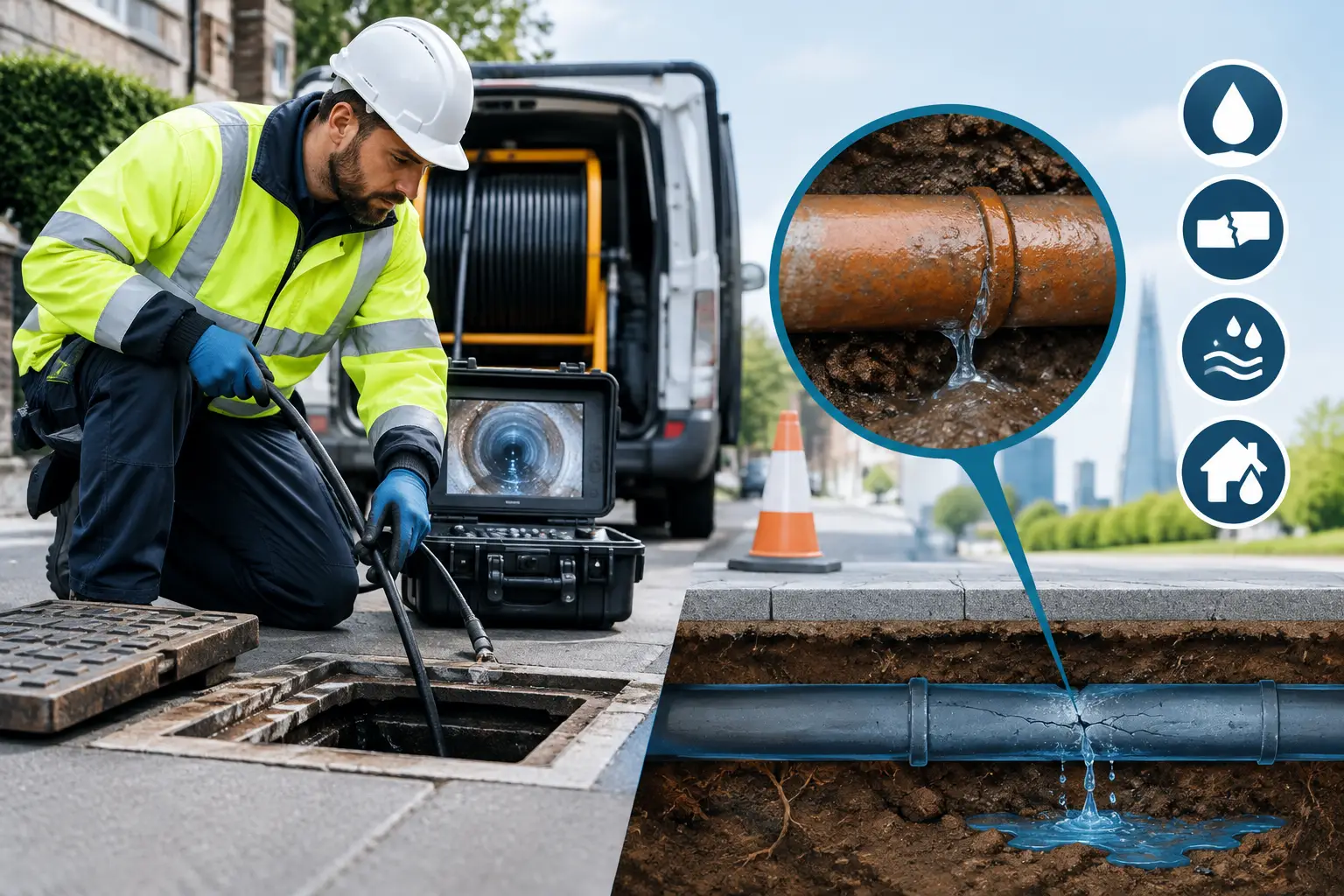
Cracks, displaced joints and failed seals can allow wastewater and gases to escape into the surrounding ground. The smell may be worse in warm weather, after flushing toilets, or when appliances such as washing machines and dishwashers empty. Do not assume that pouring drain cleaner into a gully will solve this type of issue. If the pipe itself is leaking, the source needs to be identified and repaired.
Damp ground, lush patches or sinking surfaces
Unexpectedly wet soil is one of the clearest leaking underground drain warning signs. Look for patches of lawn or borders that remain damp when the rest of the ground is dry, especially near the route of an external drain. In some cases, escaping wastewater can make grass or plants appear unusually lush. That may look harmless, but it can indicate a leak below the surface.
Paving, blockwork or tarmac that starts to dip also needs attention. Water escaping from a broken drain can wash away or soften the soil supporting the surface above. A small depression can worsen over time, creating a trip hazard and allowing rainwater to collect near the property.
A sinkhole is uncommon, but significant movement, cracking or a rapidly deepening area should be treated as urgent. Keep people away from the affected ground and arrange a professional assessment promptly.
Recurring blockages in toilets and drains
One isolated blockage can be caused by too much paper, cooking fat, wipes or debris entering the system. However, recurring slow drainage across more than one fitting is different. If toilets are reluctant to flush, sinks gurgle, or a bath drains slowly at the same time as an external gully is backing up, there may be a fault further along the underground pipework.
A cracked or displaced drain can catch paper and waste at the damaged section. Root growth can enter through even a small opening and gradually restrict the pipe. As a result, clearing the immediate blockage may restore flow temporarily without addressing why it keeps returning.
For landlords and facilities managers, repeated call-outs for the same toilet, kitchen drain or external drain problem are a good reason to arrange an investigation rather than continuing with short-term fixes.
Water marks, mould or unexplained damp indoors
Not every damp patch inside a building is caused by a leaking drain. It could relate to plumbing, rainwater ingress, condensation or a defect in the structure. Still, drainage should be considered where damp is low on a wall, close to a ground-floor toilet, utility area or kitchen, and appears alongside drainage symptoms such as odours or slow-running fixtures.
Wastewater leaks beneath a floor or close to foundations can create persistent moisture problems. You may notice peeling paint, damaged skirting boards, a musty smell or mould returning after cleaning. In commercial premises, this can affect customer areas, storage spaces and staff facilities, so early investigation is especially useful.
Avoid covering over the issue without finding the cause. Dehumidifiers and redecorating may improve appearances for a while, but they will not stop water escaping from a defective underground drain.
Rodents, insects and unusual activity near drains
Damaged drains can provide access routes for rodents. Seeing one rat does not prove a drain leak, but repeated sightings around gullies, manholes, bin areas or external walls should not be ignored, particularly if there are also foul smells or drainage problems.
Flies and other insects may also be drawn to stagnant wastewater around a damaged pipe or blocked gully. Good cleaning matters, but a hygiene issue that repeatedly returns may require the drainage system to be checked rather than treated only at the surface.
Why leaks develop below ground
Underground drains work hard and are exposed to movement, changing temperatures and the pressure of surrounding soil. Older pipework may deteriorate naturally, while newer systems can still be affected by poor connections, impact damage or ground movement.
Tree roots are a common cause in gardens and along boundary lines. Roots are attracted to moisture and can enter tiny gaps at joints, then expand within the pipe. They may cause a blockage first, but they can also widen cracks and displace sections of drain.
Incorrect items sent down toilets and sinks can make existing faults more noticeable. Wipes, sanitary products, fats, oils and food waste can snag on rough edges inside a damaged pipe, leading to repeated blockages. It depends on the condition of the drain: a well-maintained pipe may cope with normal use, while a cracked or root-affected pipe may need attention more quickly.
How a CCTV drain inspection finds the cause
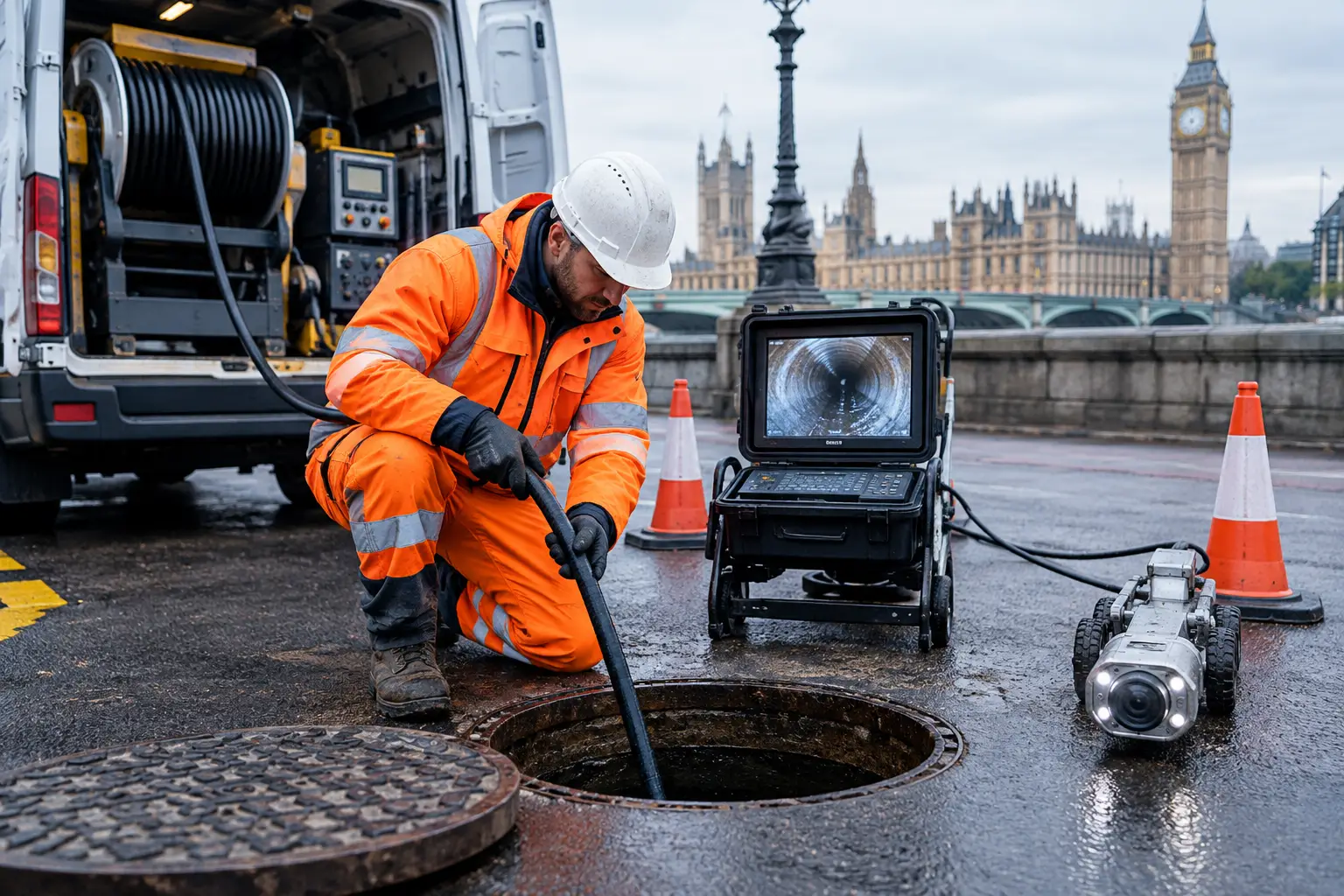
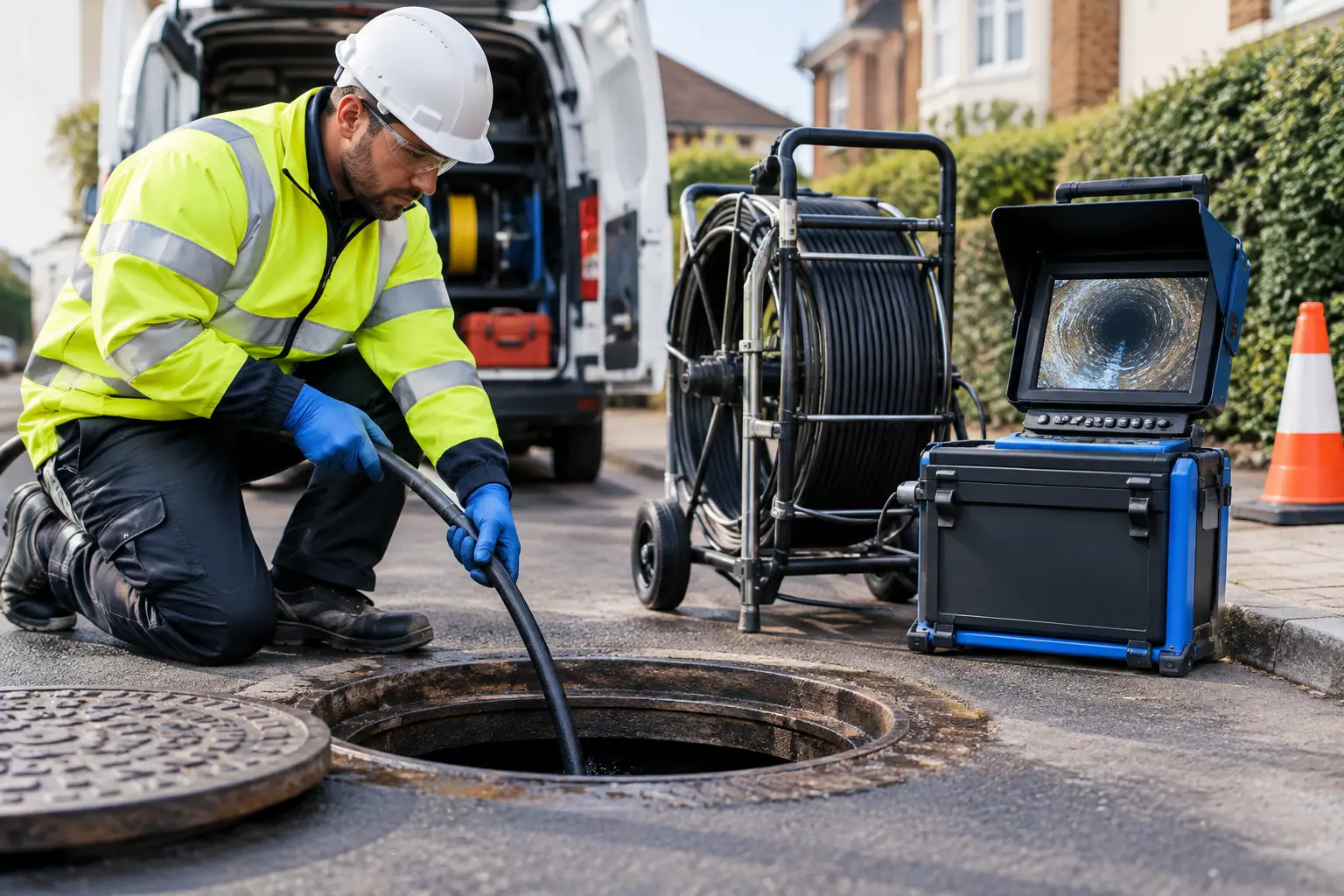
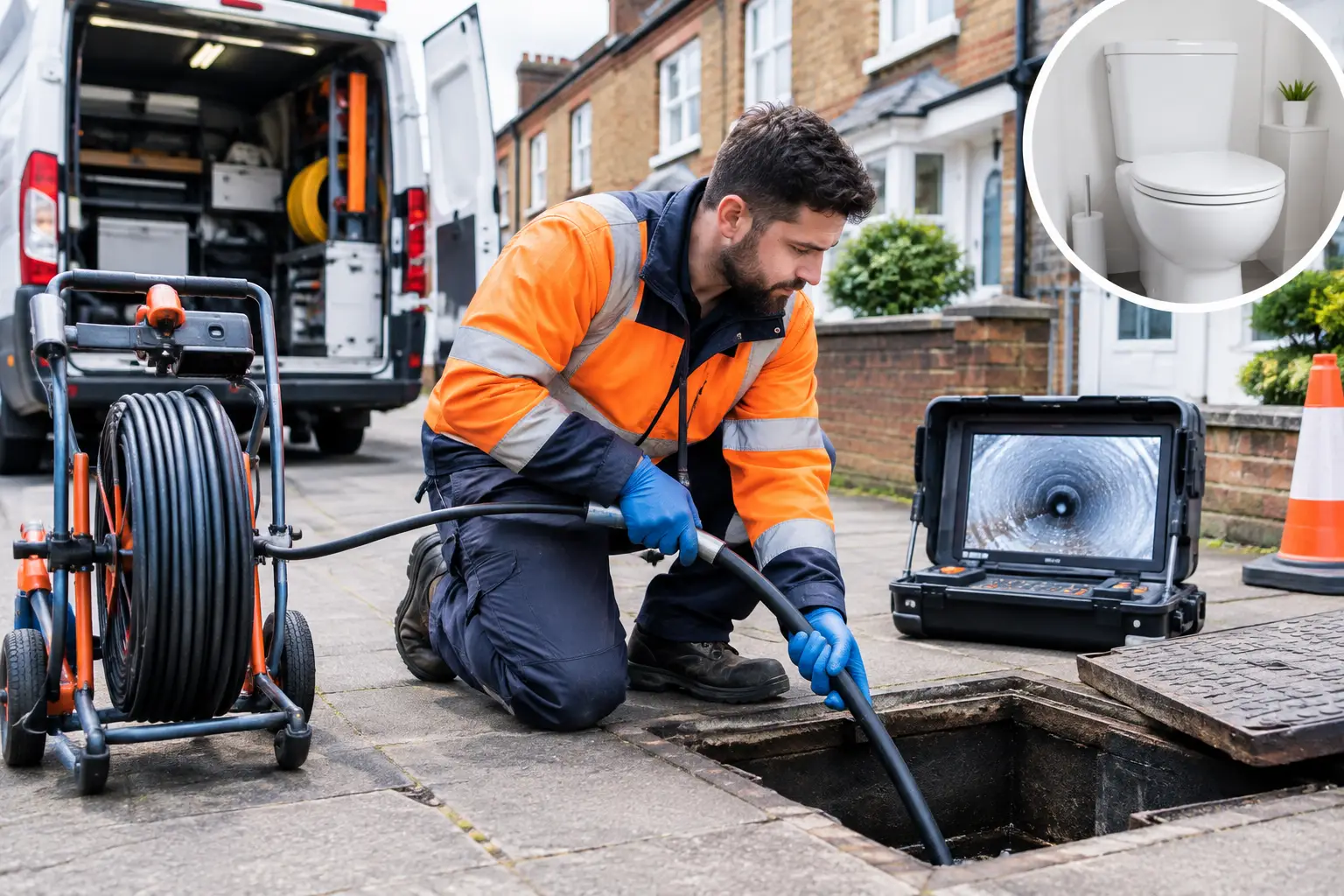
Digging up a garden or driveway based on guesswork is disruptive and often unnecessary. A CCTV drain inspection allows a drainage engineer to inspect the inside of the pipework using a camera, locating cracks, root intrusion, displaced joints, blockages and other structural defects.
The findings help determine the right next step. Sometimes professional drain cleaning or root removal is enough to restore proper flow. If the camera identifies a leak or damaged section, a targeted repair can be planned around the location and condition of the pipe. The suitable method depends on the extent of the damage, access to the drain and whether the pipe has lost its structural integrity.
This approach is useful for homeowners dealing with recurring issues, as well as businesses and property managers who need clear information before arranging repair work.
What to do when you spot a possible leak
Start by reducing the amount of water entering the affected drainage line where practical. For example, avoid running washing machines, taking long showers or repeatedly flushing a toilet that is causing an external gully to overflow. Do not lift heavy manhole covers or attempt to enter an inspection chamber.
Make a note of what you have seen, when it began and whether it changes after using water inside the property. Photographs of damp ground, surface movement or overflow can also be helpful. If sewage is escaping, keep children and pets away from the area and wash hands carefully after any contact.
A professional drainage inspection is the sensible next step where symptoms persist, sewage is present, or you can see ground movement. RF Drainage Experts provides drainage investigation, CCTV inspections, drain clearance and repair support across Greater London and surrounding areas, with clear communication about what has been found and what work may be needed.
When the issue needs urgent attention
Arrange urgent help if wastewater is overflowing, a toilet or drain is backing up into the property, there is a strong sewage smell indoors, or paving and ground are visibly sinking. These signs can create hygiene risks and may cause further property damage if left untreated.
For less urgent symptoms, such as occasional smells or a repeatedly damp patch, acting before the next blockage or heavy rainfall is still worthwhile. A timely inspection can provide reassurance when there is no major defect and a practical repair plan when there is one.
The ground above a drain often tells the story before a complete failure occurs. Paying attention to persistent odours, wet patches and recurring drainage problems gives you the best chance of dealing with the cause while the repair is still manageable.