A kitchen sink that drains slowly after washing up is rarely just an inconvenience. In homes, it can leave unpleasant smells and dirty water sitting in the bowl. In cafés, restaurants and shared commercial kitchens, it can interrupt service, create hygiene concerns and quickly become a more serious drainage problem. A professional kitchen drain grease removal service clears the build-up properly, rather than simply pushing the blockage further along the pipe.
Grease-related blockages are among the most common kitchen drainage issues. They often develop gradually, so it is easy to miss the warning signs until the sink stops draining altogether. Acting early can help limit disruption and reduce the chance of wastewater backing up into the property.
Why grease blocks kitchen drains
Cooking oil, fat, butter, sauces and food residue may look harmless when rinsed away with hot water. While they are warm, many of these substances flow through the sink waste pipe. As they cool, they begin to coat the inside of the pipework.
Over time, this sticky layer catches food particles, coffee grounds, soap residue and other debris. The internal space in the pipe becomes narrower, slowing drainage further. Eventually, the grease can form a dense blockage that ordinary plunging or shop-bought drain products may not remove.
Domestic kitchens can develop this problem after repeated small amounts of fat are poured down the sink. Commercial kitchens face a higher risk because of heavier washing-up volumes, food preparation and frequent use of oils and fats. The cause is not always obvious at the sink itself either. Build-up may be located deeper in the waste pipe or in the external drainage run.
Signs you may need grease removal
A complete blockage is the clearest sign, but it is better not to wait for one. If your kitchen sink is draining more slowly than usual, gurgling after water runs away, or producing a stale, greasy smell, there may already be a developing restriction in the pipe.
Other warning signs include water rising in the sink when a dishwasher or washing machine drains, recurring blockages after temporary DIY fixes, and water appearing at a nearby gully outside. In commercial premises, a slow-draining pot wash area or repeated disruption during busy periods deserves prompt attention.
If wastewater is backing up, avoid continuing to use the sink. Running more water into a blocked drain can cause an overflow and spread contaminated water across cupboards, flooring or food preparation areas.
What a kitchen drain grease removal service involves
The right method depends on where the grease has collected, how severe the blockage is and the condition of the drainage system. A professional visit should begin with a clear assessment of the issue, not an assumption that every slow sink needs the same treatment.
For many blockages, drainage equipment can clear the grease, food waste and residue from the affected pipework. This may involve mechanical cleaning to break up the obstruction and restore flow. Where the problem is further along the system, high-pressure water jetting may be used to clean the pipe walls and flush loosened material through safely.
Jetting is particularly useful where grease has lined a longer section of drain rather than forming one small plug. It can remove the residue that encourages blockages to return, which is why it is often more effective than a short-term chemical treatment. The appropriate pressure and equipment matter, especially where pipework is older or its condition is unknown.
When CCTV drain inspection is useful
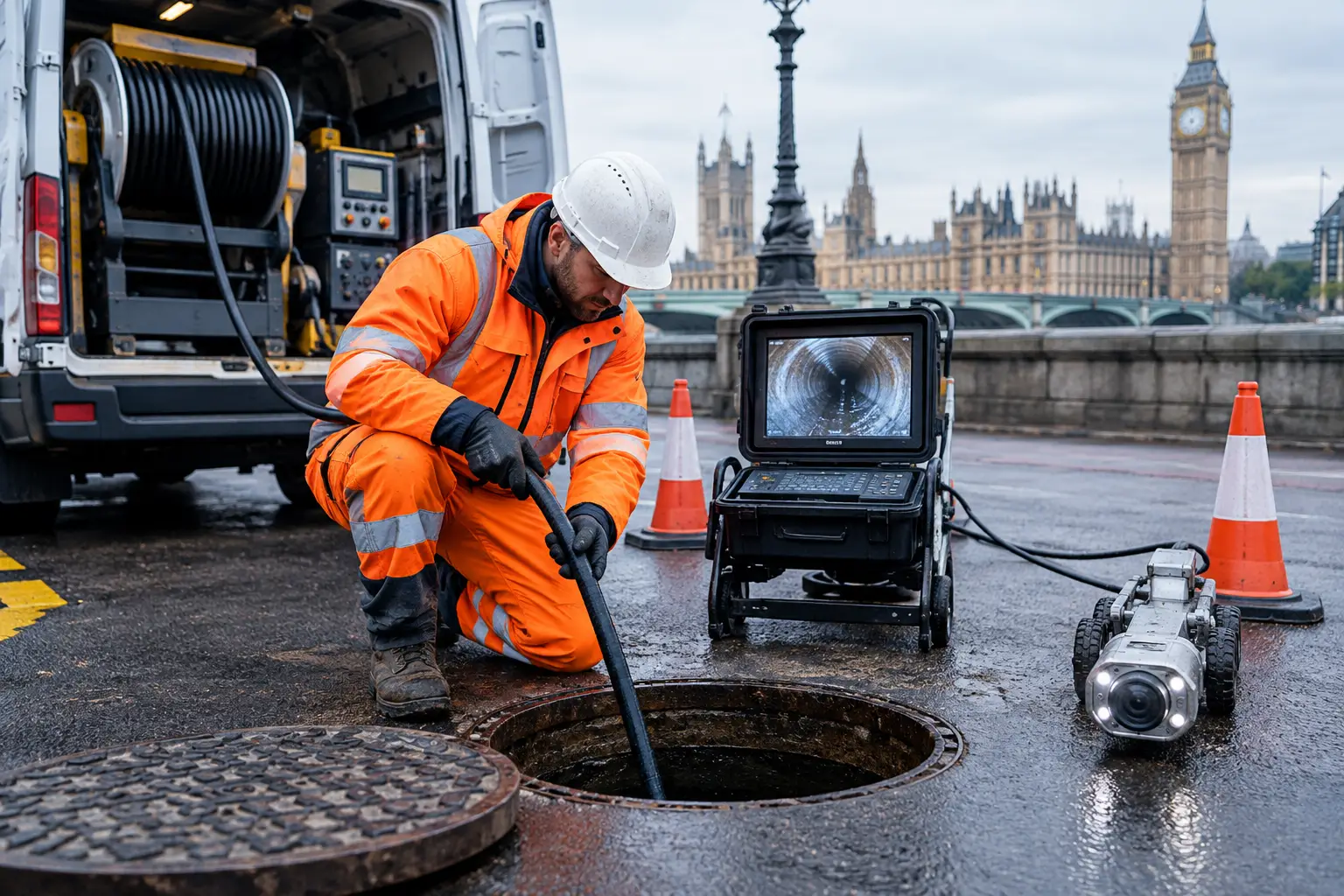
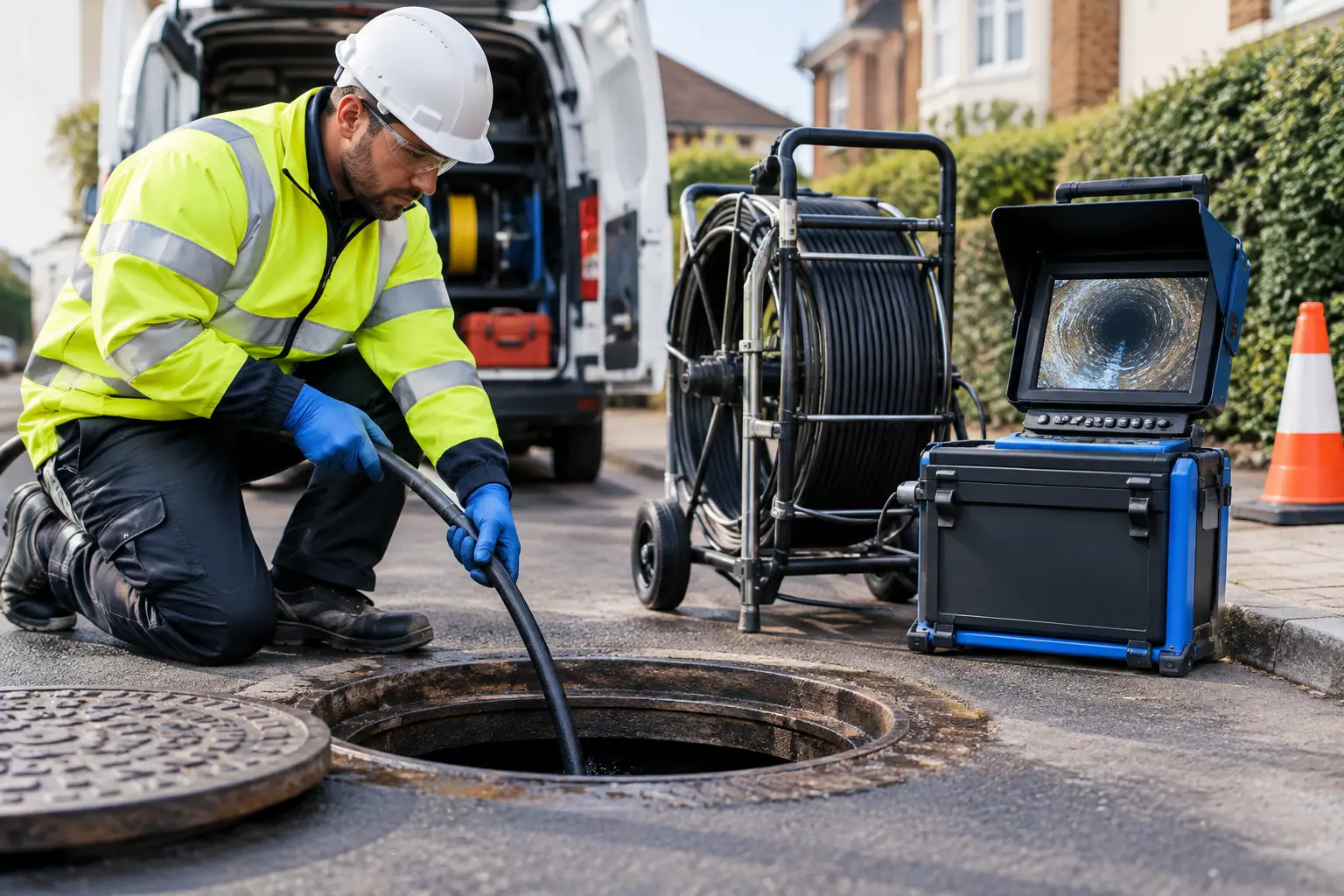
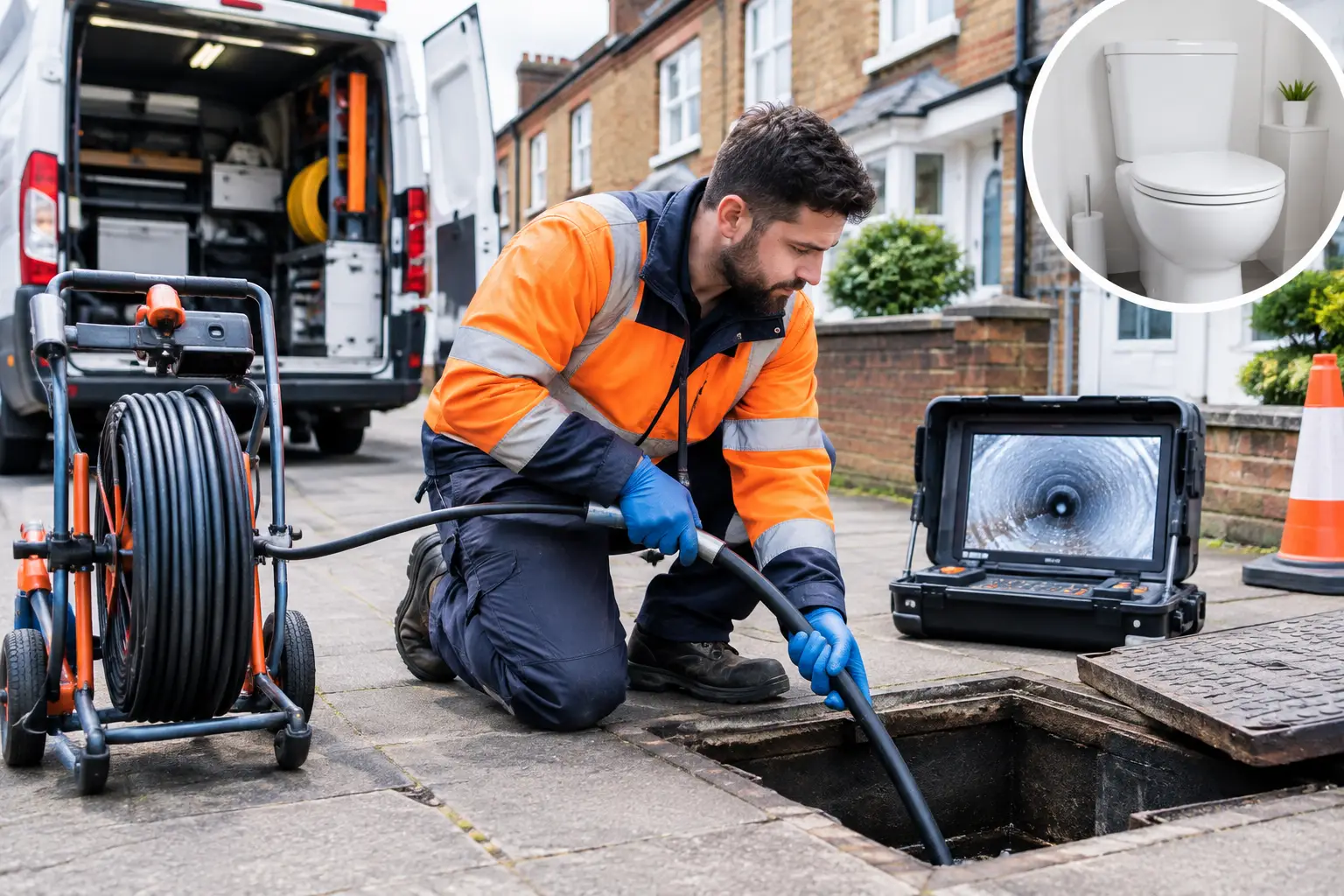
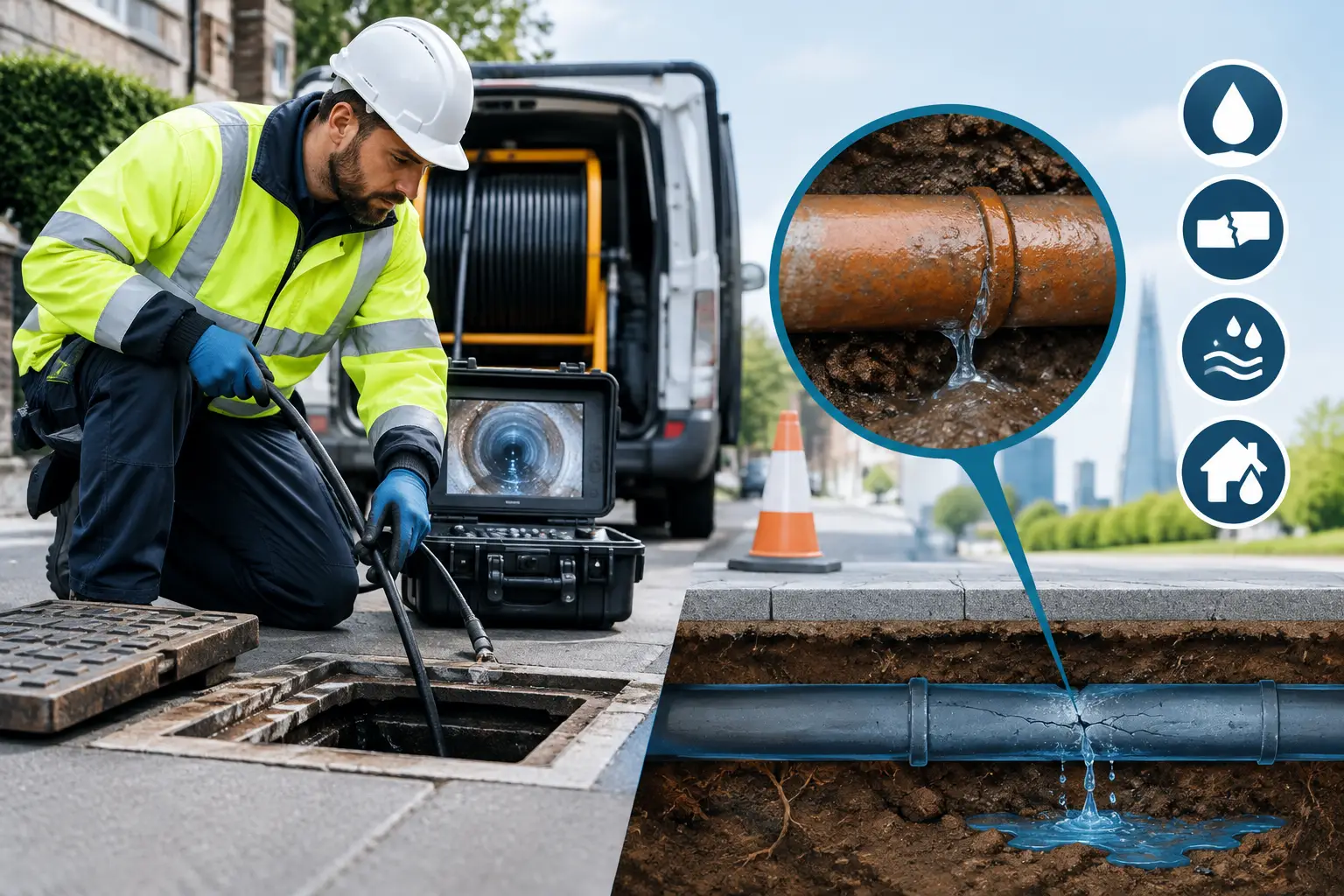
If kitchen blockages keep returning, CCTV drain inspection can show what is happening beyond the visible waste pipe. A camera survey may identify thick deposits, damaged joints, cracks, root intrusion or a defect that is allowing waste to catch in one area.
This is valuable because repeat grease blockages are not always caused by grease alone. A poorly flowing pipe, a collapsed section or an issue in the external drain can create the conditions for debris to collect. Identifying the actual cause helps avoid paying for repeated clearances without dealing with the underlying problem.
RF Drainage Experts uses professional clearance and CCTV inspection equipment to investigate both straightforward kitchen blockages and recurring drainage faults. The aim is to explain what has been found, what work is needed and what practical steps can reduce the likelihood of another blockage.
Why DIY treatments often provide only temporary relief
A plunger can sometimes shift a minor blockage near the sink trap. Cleaning the trap may also help if food debris has collected there. These are sensible first steps when the problem is small and there is no sign of wastewater backing up elsewhere.
However, grease behaves differently from loose food waste. Chemical drain cleaners may create a small channel through the deposit without removing the coating around the pipe. Hot water may temporarily soften surface grease, but it can cool and settle further down the system. Repeated chemical use can also be unsuitable for some pipe materials and does not reveal whether there is a deeper defect.
Avoid mixing drain-cleaning products or using them after another chemical has already been poured into the sink. This can create hazardous fumes or splashing risks. If a professional needs to attend, tell them what products have been used so they can work safely.
Grease prevention for homes and commercial kitchens
The most effective prevention is simple: keep fats, oils and grease out of the drain. Let cooking fat cool in a heatproof container, then dispose of it in line with local waste arrangements. Wipe greasy frying pans, roasting trays and plates with kitchen roll before washing them.
A sink strainer can catch food scraps before they enter the pipe, but it needs emptying regularly. Coffee grounds, rice, pasta, flour and fibrous vegetable peelings can combine with grease and should not be washed down the sink. Dishwashers can also contribute to grease build-up, so do not rely on their hot cycle to solve an existing drainage issue.
For commercial kitchens, staff habits make a real difference. Clear procedures for scraping plates, collecting waste oil and keeping food solids out of sinks reduce the amount entering the drainage system. Regular planned cleaning may be appropriate for premises with high kitchen use, particularly when a previous blockage has shown that grease accumulates quickly.
When to call for urgent help
Call for professional drainage assistance promptly if the sink is fully blocked, foul water is rising, drainage is affecting more than one fixture, or water is leaking from pipework or an external gully. These signs may indicate that the issue has moved beyond the sink trap and needs proper investigation.
For restaurants, takeaways and other food businesses, a blocked kitchen drain can affect day-to-day operations quickly. Restrict use of the affected area where possible, keep customers and staff away from any contaminated water, and arrange clearance before the issue worsens. A rapid response is especially useful outside normal working hours when disruption needs to be kept to a minimum.
A kitchen drain should carry wastewater away quietly and efficiently. When grease starts slowing that process down, early professional cleaning is usually less disruptive than waiting for a complete overflow. Clear communication, the right equipment and a proper assessment give you a practical route back to a clean, free-flowing kitchen drain.