A toilet that will not flush, rises close to the rim or sends dirty water back into the bowl is not a problem to leave until morning. When you need a blocked toilet emergency plumber in Lewisham, the priority is to prevent an overflow, protect the property and find out whether the blockage is in the toilet itself or further along the drainage system.
A calm first response makes a real difference. Stop flushing, keep people away from the affected toilet and avoid using nearby sinks, showers or appliances if water is backing up elsewhere. A professional drainage engineer can then assess the fault, clear it safely and explain what caused it.
What to do when a toilet is blocked
If the water level is rising after a flush, remove the cistern lid and lift the float if you can do so safely. This stops more water entering the cistern. If your toilet has an isolation valve on the small pipe behind or beside it, turn it clockwise to stop the water supply. Do not force seized fittings or attempt any work that could cause a leak.
Wait for the water level to settle. If the blockage appears minor and there is no sign of sewage backing up, a toilet plunger may help. Use one designed for toilets, with a flange that seals around the outlet. Place it firmly over the opening and use steady, controlled strokes. A few attempts are enough to judge whether it is improving.
Do not keep flushing to test it. Each flush adds more water to a restricted pipe and can turn a contained blockage into flooding across the bathroom floor. Put towels around the base only if water has already escaped, keep children and pets clear, and wash hands thoroughly after touching anything affected.
When not to attempt a DIY fix
A simple blockage near the pan can sometimes respond to a plunger, but there are clear signs that you need professional help straight away. These include water rising in the shower or bath when the toilet is flushed, repeated blockages, foul smells from drains, gurgling sounds, or sewage coming up through an outside gully or manhole.
Avoid using chemical drain cleaners in a toilet. They may not reach the obstruction, can splash back, and can make the area unsafe for anyone who needs to work on the drainage afterwards. Do not push wire hangers, rods or improvised tools into the pan either. They can crack the porcelain, damage pipework or compact the blockage further down the line.
Why toilets block in Lewisham properties
The immediate cause is often something that should not have been flushed. Wet wipes, sanitary products, cotton buds, paper towels, dental floss, nappies and excessive toilet paper do not break down in the same way as toilet tissue. Even wipes labelled as flushable can catch on bends and joins, gradually forming a blockage.
However, a blocked toilet is not always caused by what was put into it that day. In flats, converted houses and commercial premises, several toilets or appliances may connect to shared pipework. A problem further down the branch drain can affect more than one property or room. Older drains may also have displaced joints, cracks, scale build-up or tree-root intrusion that repeatedly catches debris.
That is why the right solution depends on the symptoms. One toilet that blocks after an object has been dropped in may need a local clearance. A toilet, bath and sink all draining slowly could point to a wider drain restriction. If external gullies are full or sewage is backing up outside, the fault may be in the underground drainage run and needs urgent attention.
How an emergency drainage visit should work
A professional call-out should begin with clear questions about what is happening: which fixtures are affected, when the problem started, whether there is standing water outside and whether the issue has happened before. This helps the engineer arrive prepared and reduces wasted time on site.
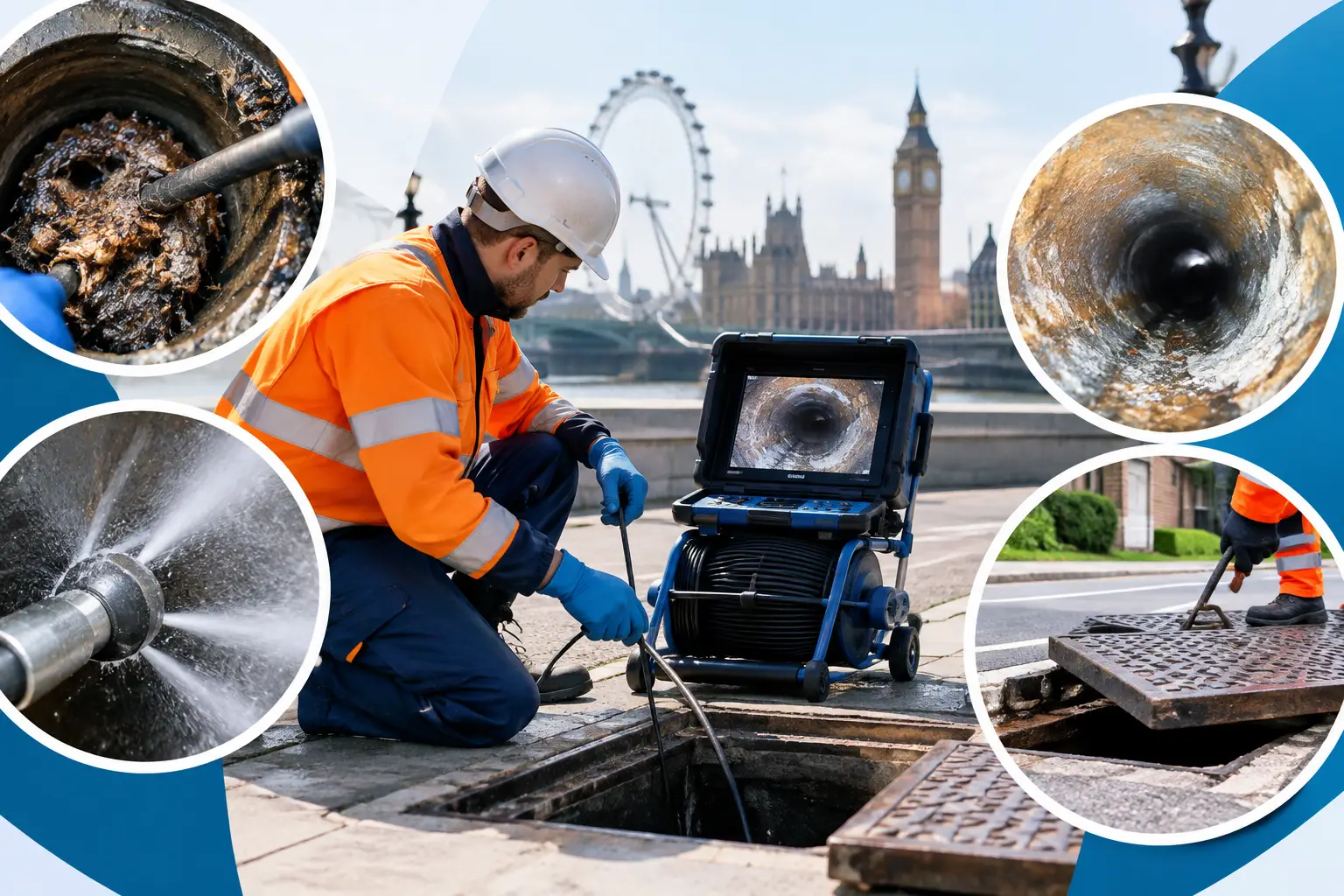
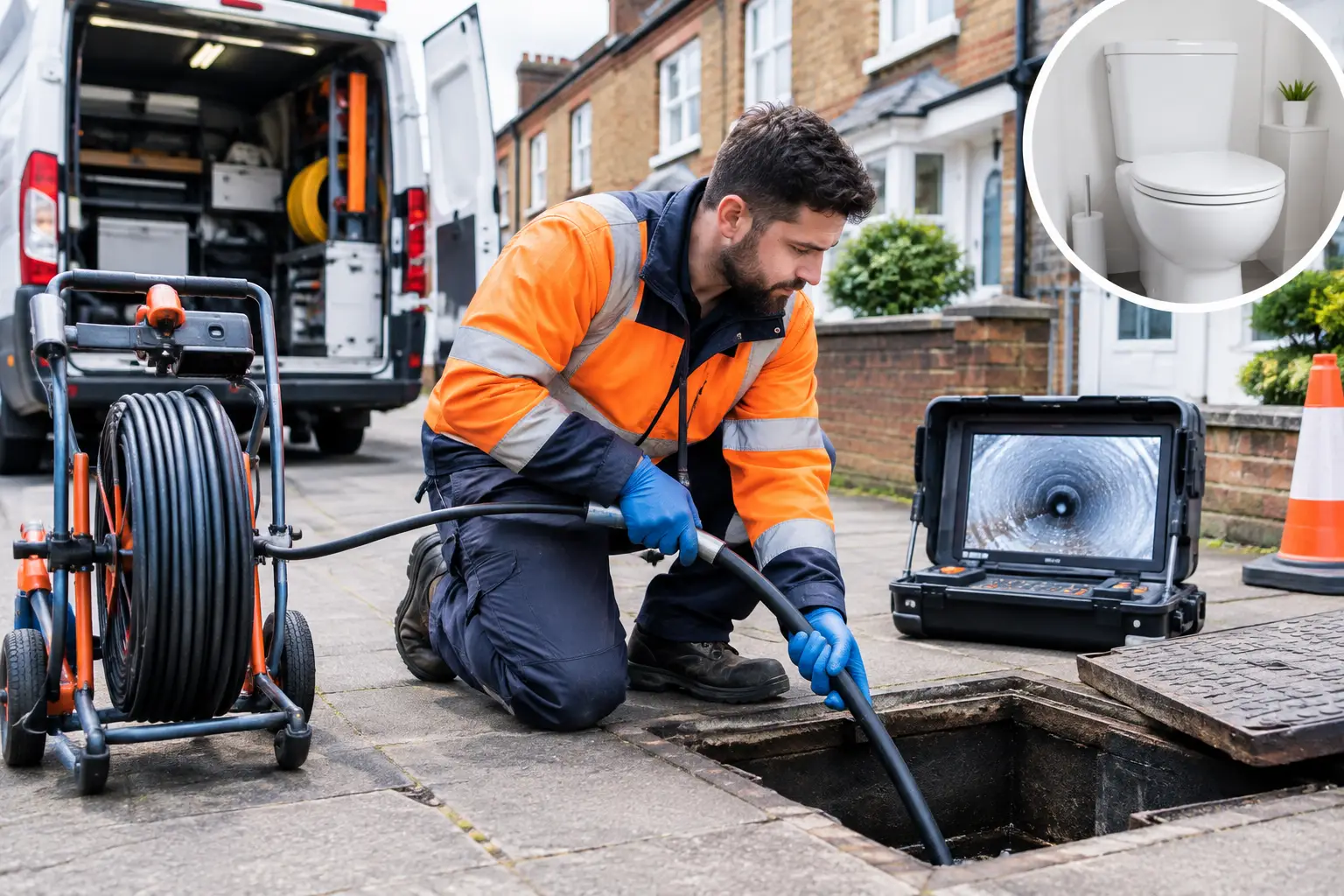
The engineer will inspect the toilet and accessible drainage points to establish the likely location of the blockage. Depending on the cause and pipework, this may involve specialist rodding equipment or high-pressure water jetting to break up and remove waste, paper, grease or debris. The aim is not merely to get water moving for a few minutes, but to clear the restriction properly.
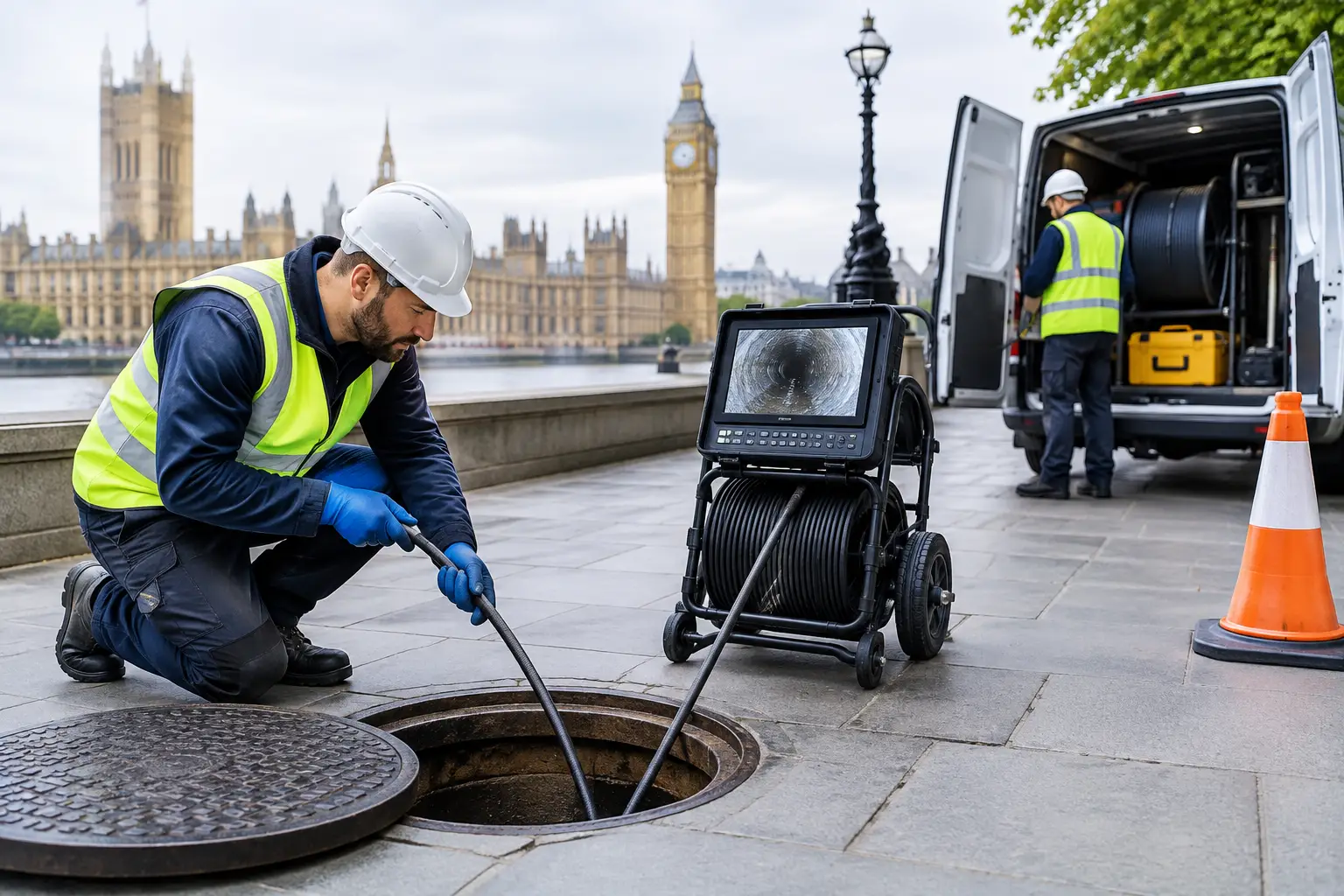
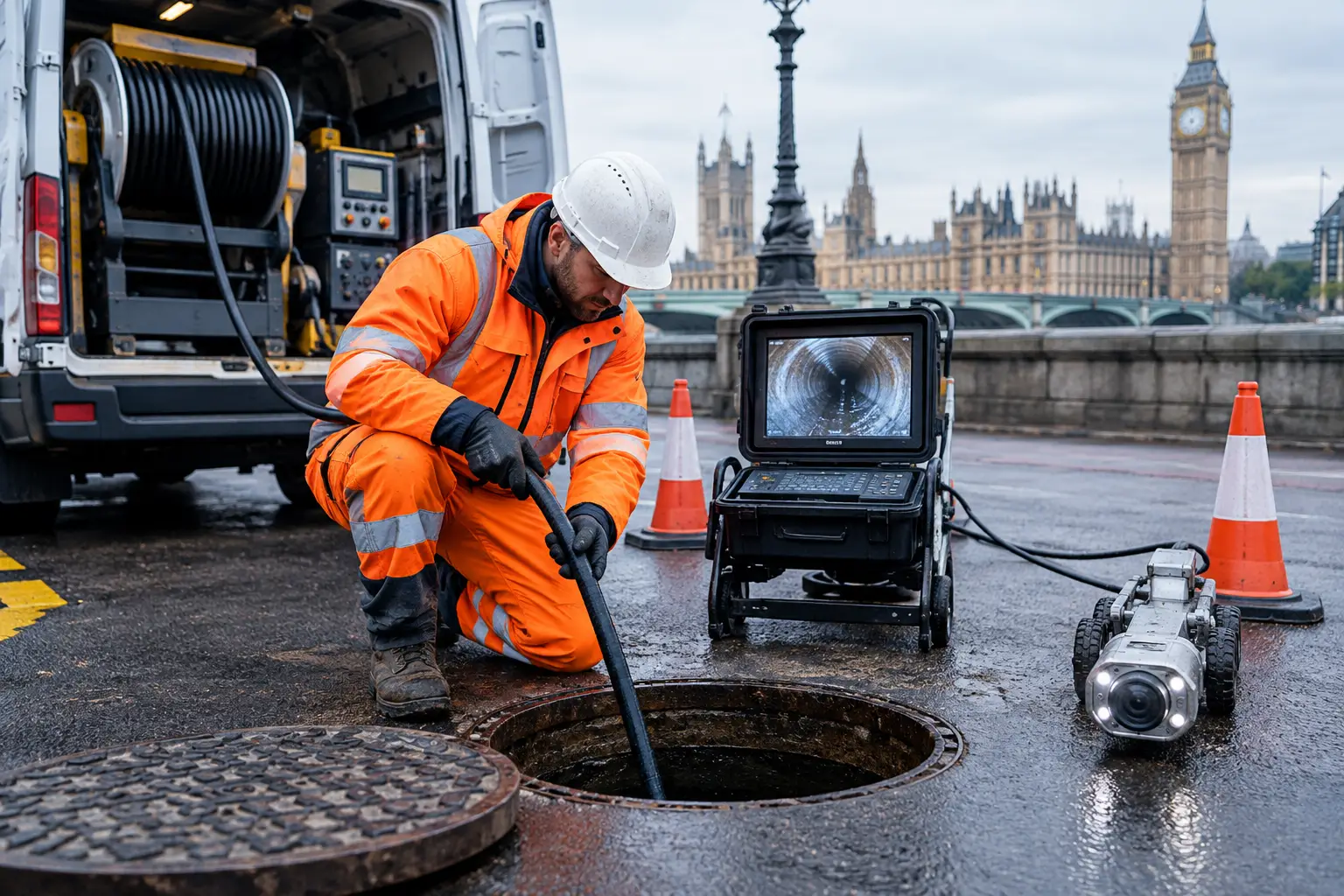
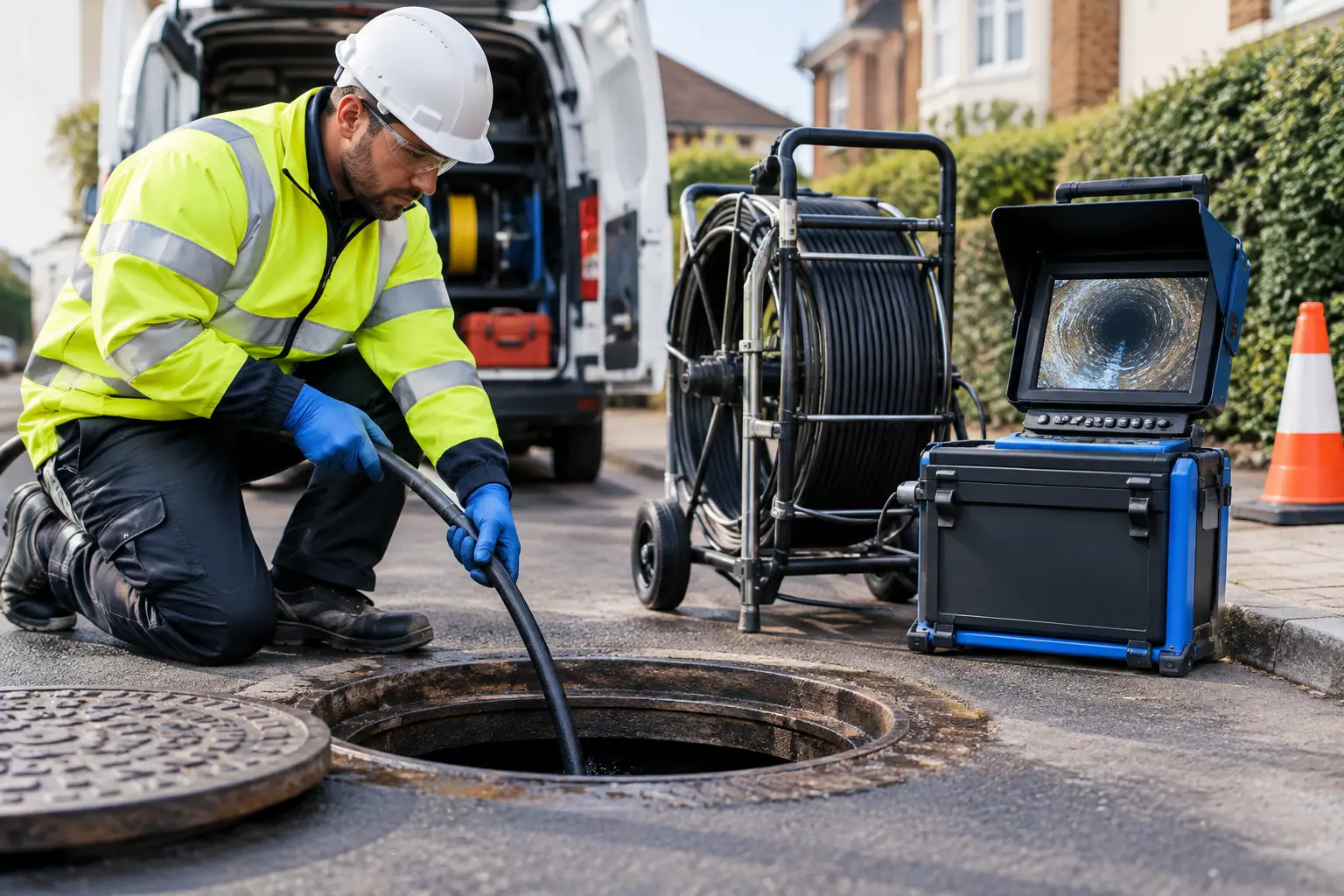
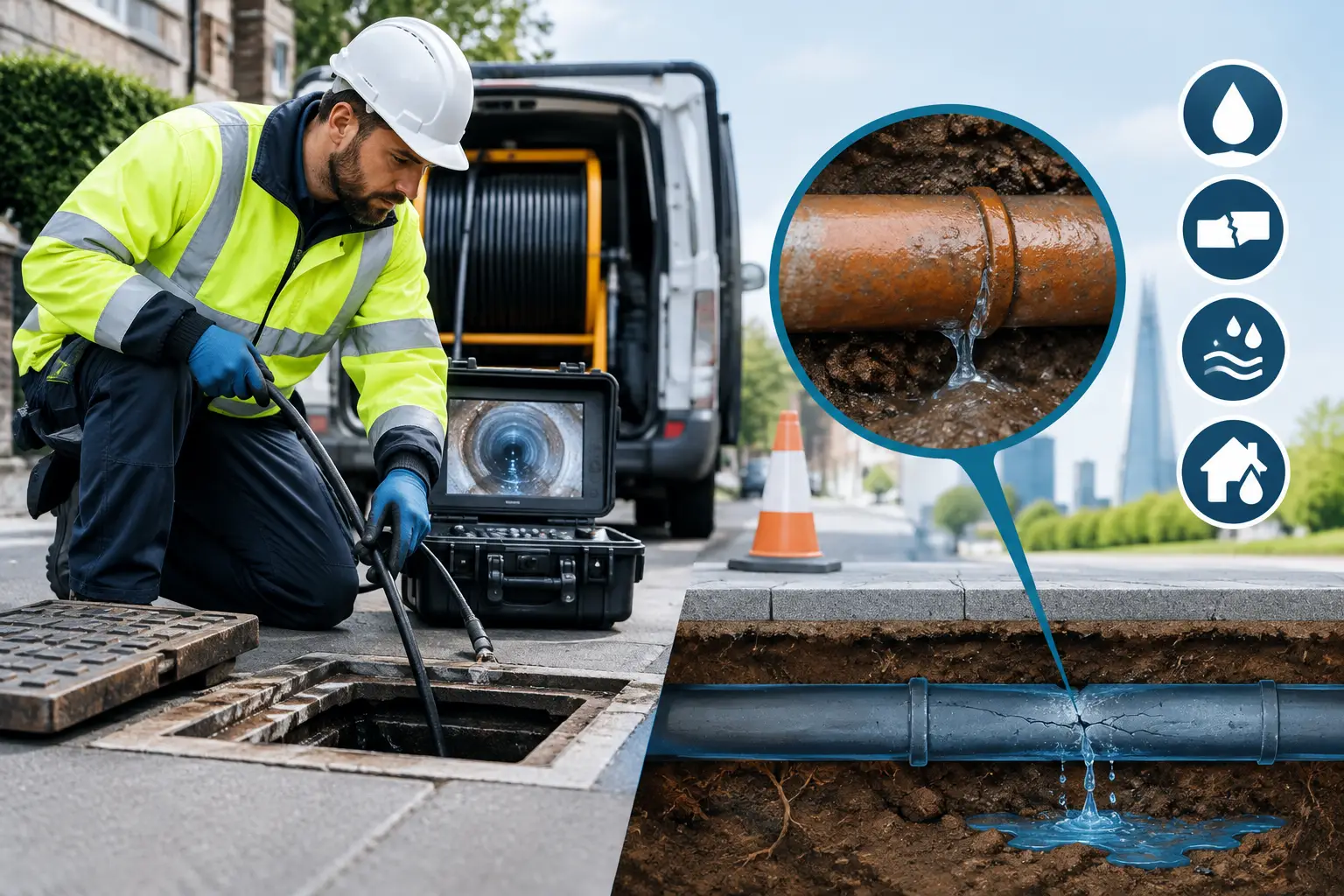
Where blockages keep returning, or the cause is not visible, CCTV drain inspection can provide the answers. A small camera is fed through the drain to check for root ingress, cracked pipes, collapsed sections, poor connections or other defects below ground. This avoids guesswork and helps identify whether cleaning alone is suitable or a repair should be considered.
RF Drainage Experts provides 24/7 emergency drain clearance for homes and businesses across Lewisham and the surrounding Greater London area. The team can deal with blocked toilets alongside related problems in internal pipework, external drains, gullies and manholes, with a clear explanation of the work needed before proceeding.
A blocked toilet in a flat, rental or business
For tenants, report the problem to the landlord or managing agent as soon as possible, particularly if there is a risk of overflow or sewage contamination. Take a few photographs of visible water damage if it is safe to do so, but do not delay emergency drainage assistance while waiting for a reply. Keep a note of when the blockage began and which fixtures have been affected.
Landlords and property managers should treat a backed-up toilet as a hygiene issue rather than a routine maintenance task. Fast drainage clearance helps limit damage to flooring, ceilings and neighbouring flats. If the problem has occurred more than once, an investigation can be more cost-effective than arranging repeated basic clearances without finding the underlying defect.
For cafés, shops, offices and other commercial premises, a toilet failure can quickly affect staff, customers and daily operations. Restrict access to the affected washroom, place clear signs where needed and avoid sending additional water into the system. A drainage engineer can assess whether the problem is confined to one sanitary fitting or likely to affect the wider premises.
Preventing the next blockage
The most reliable rule is straightforward: only toilet paper and human waste should be flushed. Keep a lined bin in the bathroom for wipes, sanitary products and other disposable items. In shared homes and commercial washrooms, a discreet reminder can prevent a surprising number of emergency call-outs.
If you have experienced recurring slow flushing or unpleasant drain smells, do not wait for the toilet to overflow. Early investigation can reveal partial blockages or structural issues while access is easier and disruption is lower. Properties with mature trees near drainage runs can benefit from checking the condition of the drains if root ingress is suspected.
Common questions about emergency toilet blockages
Can I use the toilet if it is only flushing slowly?
It is safer to avoid using it until you know the cause. A slow flush may be an early sign of a restriction, and another flush could cause the bowl to overflow. If other fixtures are also slow or noisy, stop using water where possible and arrange an inspection.
Why is my toilet blocked but the sink is fine?
The blockage may be close to the toilet trap or in the short pipe serving that toilet. If the sink and bath are draining normally, the issue can be local. If they begin to gurgle or back up, the blockage may be further along the drain.
Will a drain blockage clear itself?
Occasionally a small amount of excess paper may soften and pass, but relying on this can lead to an overflow. Items such as wipes, sanitary products and solid objects will not dissolve. Repeated flushing often makes the situation worse.
Do I need CCTV drainage inspection after every blockage?
Not necessarily. A one-off, straightforward blockage may only need clearing. CCTV inspection is particularly useful where blockages recur, several fixtures are affected, or there are signs of a damaged or obstructed underground drain.
If your toilet is rising, backing up or causing sewage to enter the property, stop using it and arrange emergency drainage support without delay. A prompt, professional assessment can restore safe use of your facilities and give you a practical answer rather than leaving you to manage the same problem again.