A drain that blocks once may simply need clearing. A drain that blocks again within weeks or months is usually telling you something more. Understanding what causes recurring drain blockages can prevent wasted time on temporary fixes, protect your property from flooding and help identify when professional investigation is needed.
For homes, rental properties and commercial premises, repeat blockages often start with everyday waste but continue because there is an underlying restriction or fault in the pipework. Clearing the waterway may restore flow for a while, but it will not resolve roots, damaged pipes, poor pipe falls or heavy scale build-up further along the drain.
Why does the same drain keep blocking?
The location and timing of the problem provide useful clues. A kitchen sink that backs up after cooking points to grease and food waste. A toilet that repeatedly rises after flushing may indicate paper build-up, a blocked external drain or a restriction in the soil pipe. If several fixtures are slow or sewage is coming up through a gully, the problem is more likely to be in the shared or external drainage system.
Recurring blockages are particularly common where an older drain has rough internal surfaces, joints that have moved, or a pipe that has been affected by nearby tree roots. In these cases, waste catches in the same place after every clearance. The visible blockage is only part of the issue.
Common causes of recurring drain blockages
Fat, food and soap residue in kitchen drains
Cooking fat, oil and grease may look harmless when poured away warm, but they cool and solidify inside the pipe. Over time, grease combines with food particles, detergent residue and scale to create a sticky lining that narrows the drain. Even small amounts of waste then catch easily.
Coffee grounds, rice, pasta, flour and vegetable peelings can make this worse. A plunger or chemical product may shift a soft blockage close to the sink, but thick deposits further down the pipe usually need professional cleaning equipment to remove them properly.
Hair and product build-up in baths and showers
Hair is a frequent cause of repeat blockages in bathroom waste pipes. It tangles around soap scum, conditioner, shaving foam and limescale, forming a dense mass that water struggles to pass through. The bath may drain slowly at first, then begin holding water after each use.
Removing visible hair from a plughole can help, but it may not reach a build-up beyond the trap or within a shared waste pipe. This is why a shower or bath that blocks repeatedly after being cleaned deserves a closer look.
Too much paper or unsuitable items in toilets
Toilets are designed for toilet paper and human waste only. Wipes, sanitary products, cotton buds, dental floss, nappies and paper towels do not break down in the same way and can snag on bends, joints or existing rough areas in the pipe.
So-called flushable wipes can still contribute to blockages, particularly where the drain is already restricted. If the toilet keeps blocking despite careful use, the obstruction may be beyond the pan rather than inside it. This is especially likely when outside gullies are also overflowing or other drains in the property are slow.
Leaves, silt and debris in external drains
External drains, gullies and manholes collect what the weather brings. Leaves, moss, mud, grit and litter can build up over autumn and winter, reducing the capacity of the drainage run. Heavy rain then exposes the problem, causing standing water around gullies or water backing towards the property.
Commercial premises may also experience more frequent external drain problems where car parks, delivery areas or bin stores allow debris to wash into gullies. Regular cleaning is often more practical than waiting for an overflow, particularly at sites that cannot afford disruption.
Limescale and mineral deposits
In hard-water areas, mineral deposits can gradually form inside pipework. Limescale makes the inner surface rougher, allowing grease, hair and paper to cling to it more easily. It does not always create a sudden blockage on its own, but it can explain why a drain seems to block more often than it should.
Older pipes are more vulnerable because years of deposits can significantly reduce their internal diameter. Thorough cleaning may improve the flow, but the long-term solution depends on the pipe’s condition and the extent of the build-up.
Tree root intrusion
Tree roots naturally seek out moisture. If there is a small crack, loose joint or ageing connection in an underground drain, fine roots can enter and grow inside the pipe. They catch toilet paper, fats and other debris until the drain repeatedly blocks.
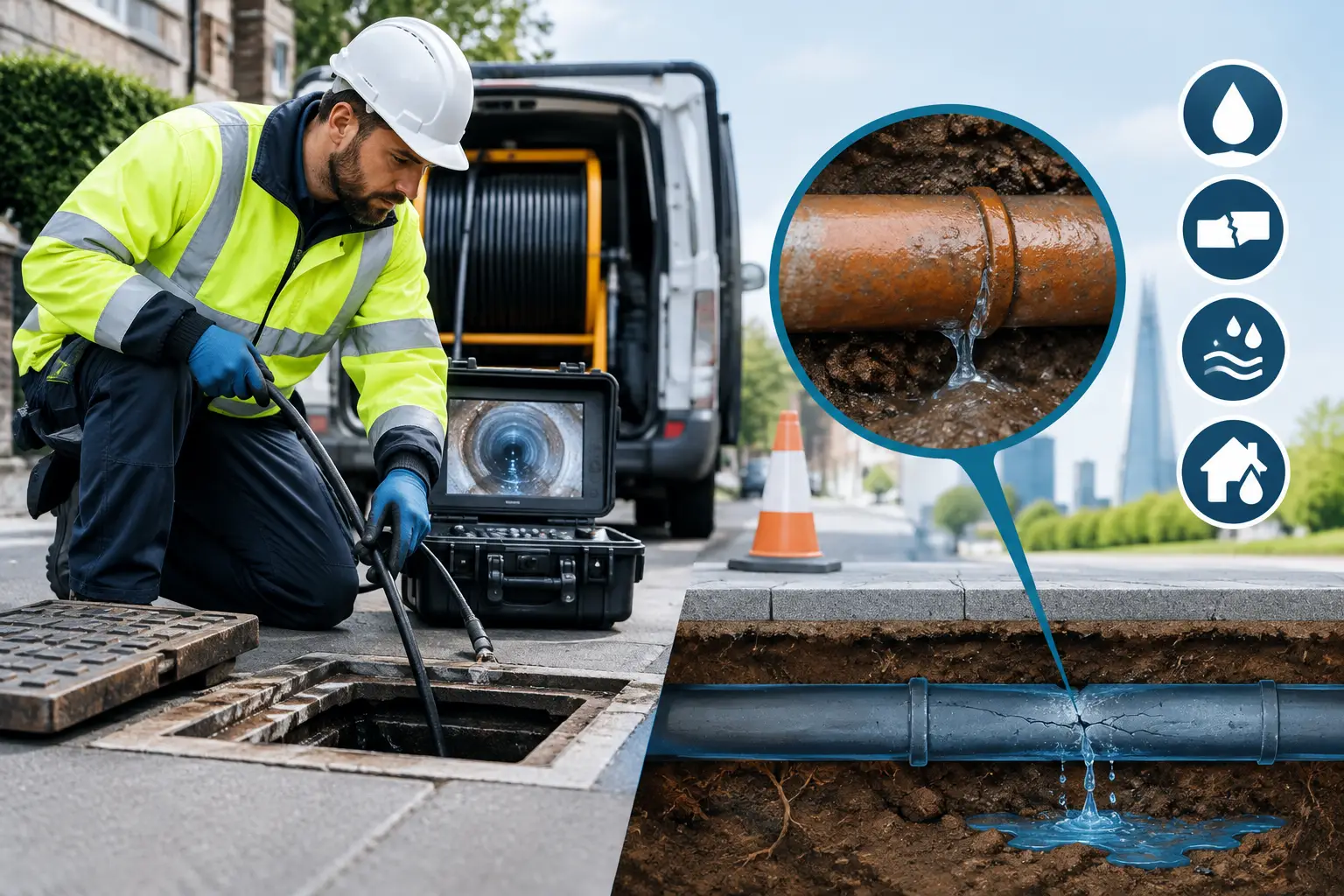
Root-related blockages often return after a basic clearance because cutting or removing the roots does not automatically repair the opening they entered through. A CCTV drain inspection can show where roots are present, how far they have spread and whether the drain requires cleaning, repair or further work.
Cracked, displaced or collapsed drains
Underground pipes can crack, shift or deteriorate over time. Ground movement, vehicle weight, poor past repairs and ageing materials can all affect the line of a drain. A displaced joint creates a lip where waste collects, while a crack can allow soil or roots into the pipe.
A partial collapse may let some water through, which is why the problem can seem intermittent. The drain may cope with light use but block during busy periods, after heavy rainfall or when a washing machine empties. Repeated clearing without inspecting the pipe can leave the real fault unnoticed.
Poor installation or incorrect pipe fall
Drainage relies on gravity. If a pipe has too little fall, wastewater moves slowly and solids settle before reaching the main drain. If the fall is excessive, water can run ahead and leave solids behind. Poorly aligned pipework, sharp bends and unsuitable connections can have a similar effect.
This type of issue may be more noticeable after an extension, refurbishment or alteration to a kitchen or bathroom. It is not always obvious from inside the property, which is why an inspection is useful when a relatively new drain keeps failing.
When a blocked drain needs CCTV investigation
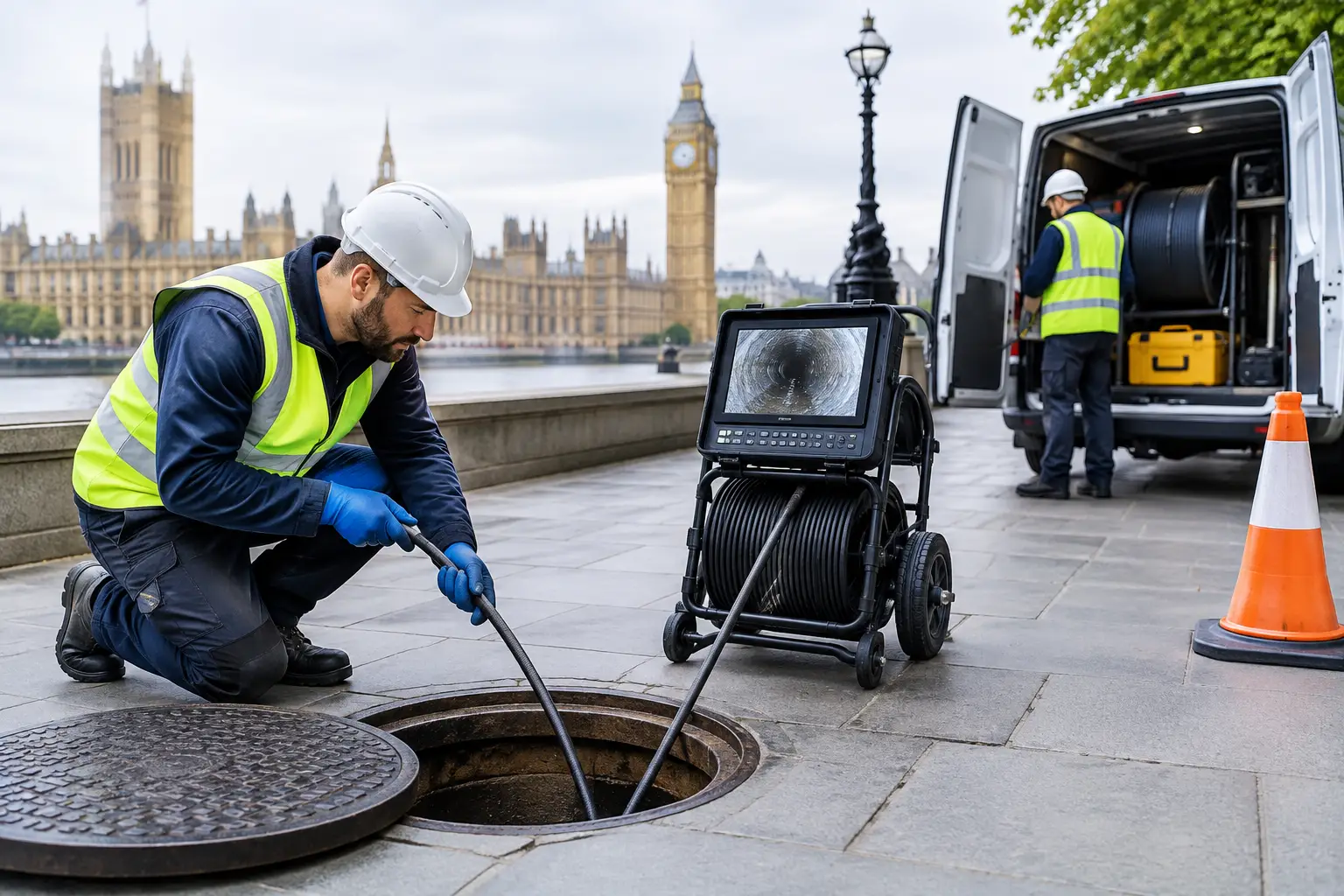
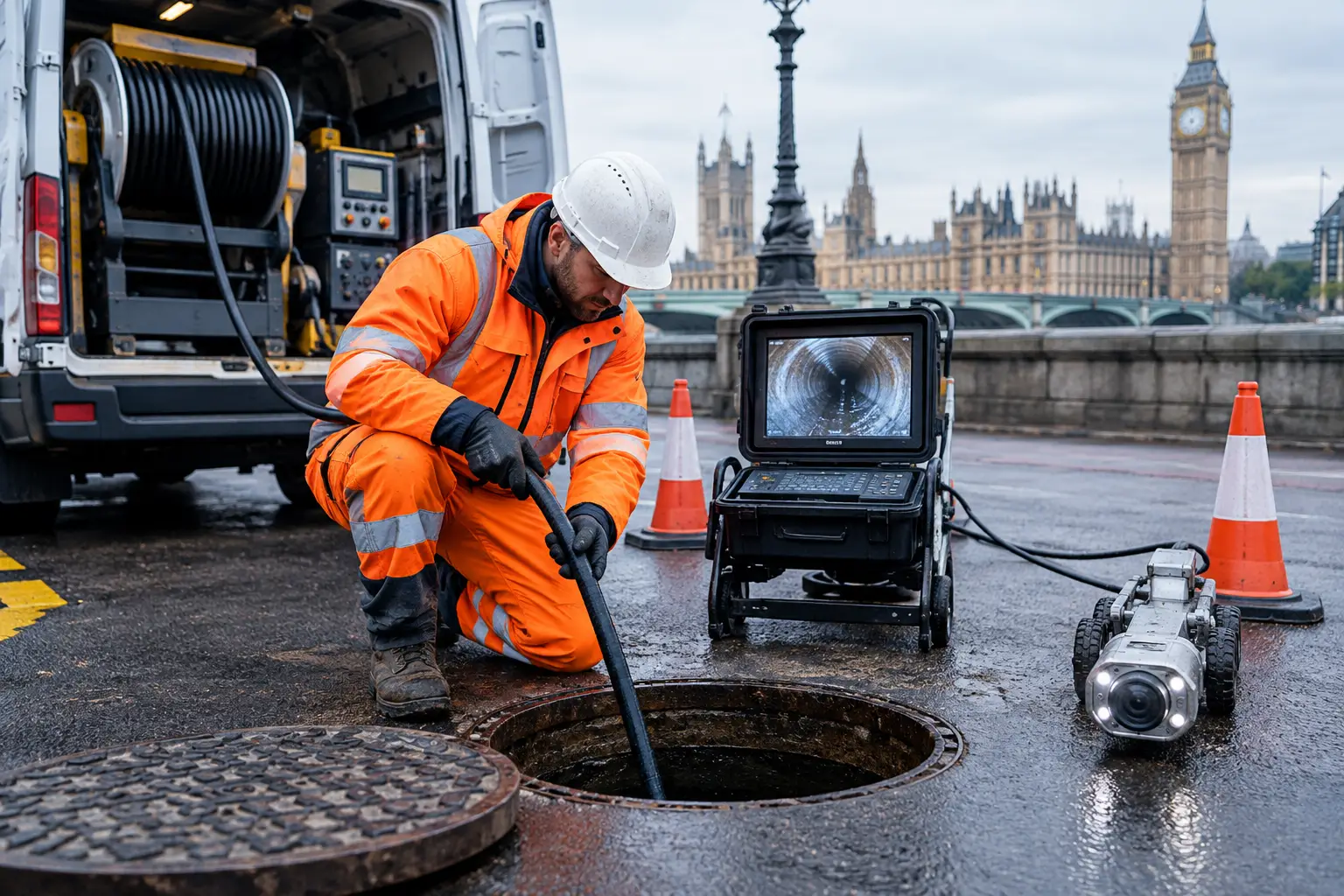
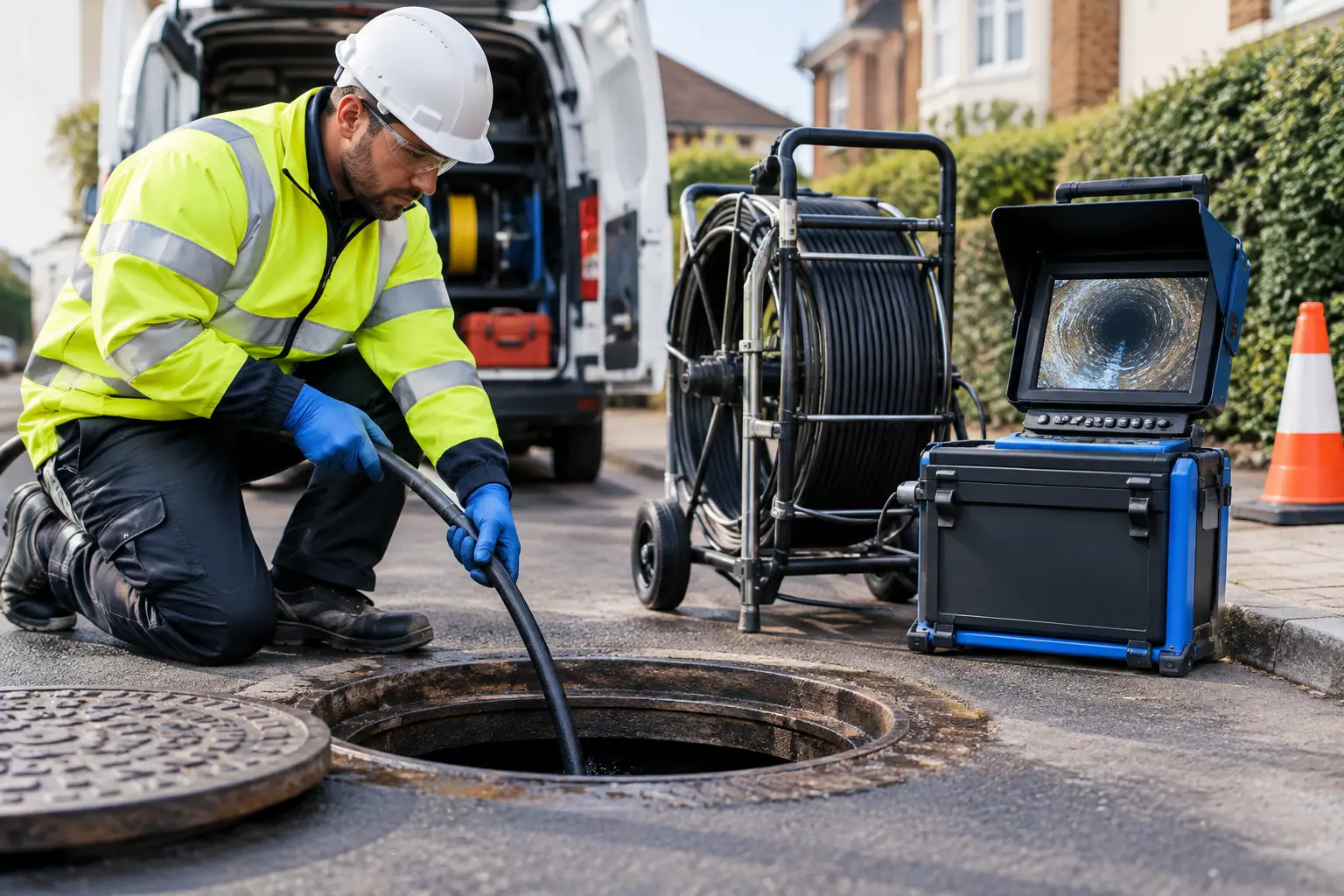
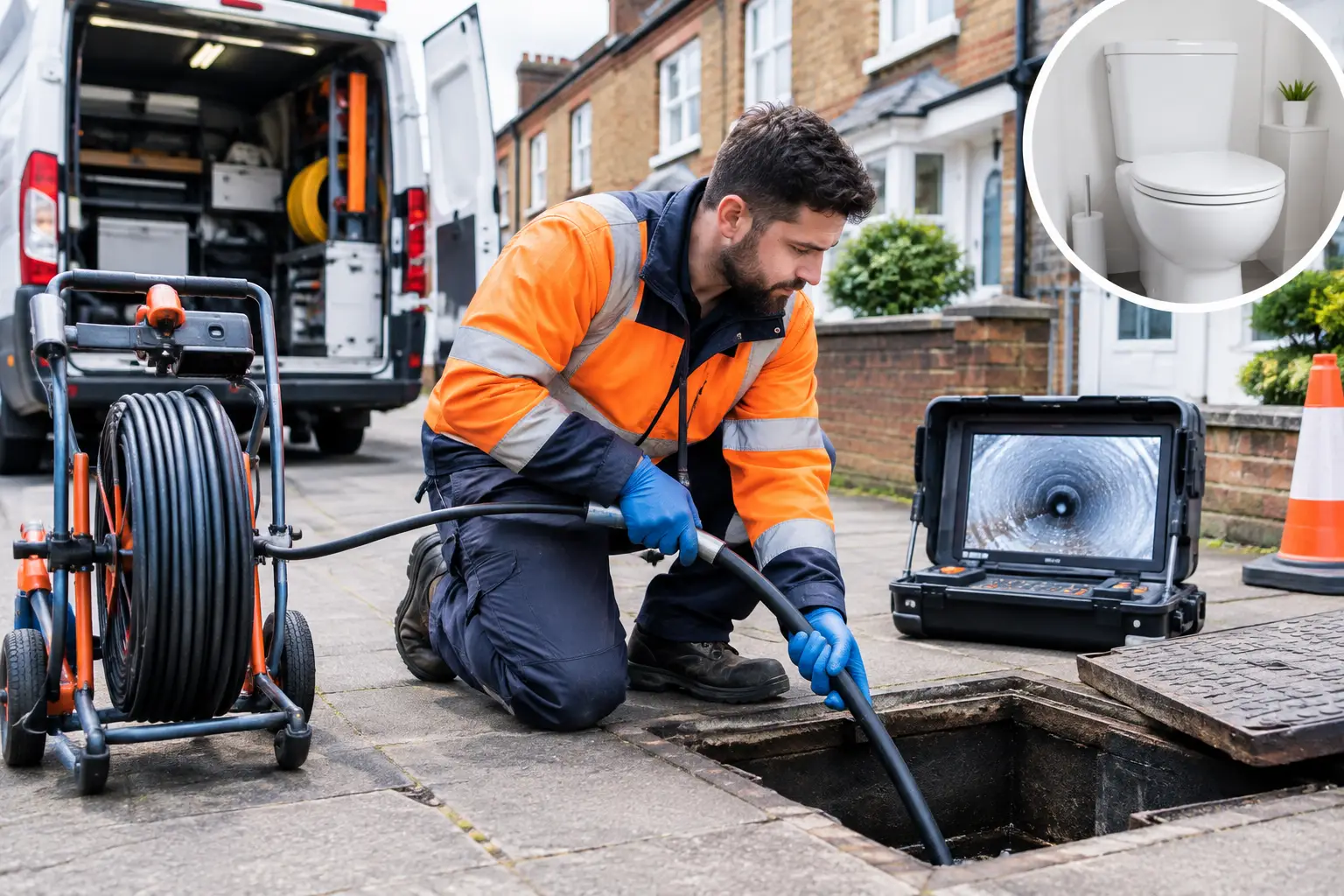
A repeat blockage is a good reason to move beyond guesswork. CCTV drain inspection allows a drainage professional to view the inside of underground pipes and identify the cause without unnecessary excavation. The camera can reveal root ingress, cracks, displaced joints, scale, collapsed sections and the exact position of stubborn debris.
This is particularly helpful if the same issue returns after jetting or rodding, if several drains are affected, or if there are signs of foul smells, flooding, slow drainage and overflowing manholes. For landlords and facilities managers, an inspection also provides a clearer basis for deciding whether routine maintenance or repair is the most sensible next step.
The right solution depends on what the camera finds. A drain lined with grease and debris may need a thorough clean. Roots may need removing followed by repair to the damaged section. A cracked or displaced pipe may require targeted drainage repair rather than repeated emergency call-outs.
Can you prevent repeat blockages?
Daily habits make a real difference, although prevention cannot correct a damaged underground pipe. Keep fats, oils, food scraps and coffee grounds out of kitchen sinks. Use a hair catcher in baths and showers, remove collected hair regularly, and only flush toilet paper and human waste.
Outside, keep gully grates clear of leaves and avoid sweeping soil, sand or building debris into drains. If your property has mature trees close to drainage runs, arranging periodic checks can identify root growth before it causes a complete blockage.
Be cautious with strong chemical drain cleaners. They can sometimes provide short-term relief for minor build-up, but they may not reach the underlying obstruction and can be unsuitable for some pipe materials. If a drain repeatedly blocks, professional clearance and inspection are usually a safer, more reliable approach.
When to call for urgent drain clearance
Act quickly if wastewater is backing up into sinks, baths or toilets, if sewage is visible outside, or if an external drain is overflowing. These signs can create hygiene concerns and may lead to property damage if left untreated. Avoid using affected fixtures until the problem has been assessed, as adding more water can worsen the overflow.
RF Drainage Experts provides 24/7 emergency drain clearance across Greater London and nearby areas, using professional equipment to clear blockages and CCTV technology where an underlying fault is suspected. Clear communication matters: you should understand what has caused the issue, what has been done to resolve it and whether further repair or maintenance is advisable.
A recurring blockage is rarely something to ignore or keep treating with a quick fix. Getting the drain properly investigated gives you the best chance of stopping the disruption before it becomes a flooded kitchen, unusable toilet or preventable repair.